Have you ever experienced a minor cut or scrape and wished for something soothing and effective? Enter Bactine Spray, a product designed to help with just that. It’s common for people to turn to over-the-counter options for immediate relief, but understanding what you’re using is essential.
Bactine Spray combines antiseptic properties with pain relief, making it a popular choice for treating surface wounds. This spray can offer comfort and help prevent infection, allowing you to focus on healing instead of discomfort. While its easy application makes it appealing, it’s important to know how it works and any potential side effects.
However, while Bactine may work wonders for some, it’s not without its drawbacks. Understanding these aspects ensures you make informed decisions about your health.
Warning: Always take time to educate yourself about any medication or treatment method. This includes consulting different specialists and accessing reliable information from various media sources. Each person’s body responds differently, and what helps one person might not be suitable for another. Stay curious and proactive about your health journey!
The information provided in this article is intended solely for general informational and educational purposes. It does not constitute medical advice, diagnosis or professional treatment, and should not be considered a substitute for consultation with a qualified doctor or other licensed healthcare professional. Any health-related decisions should be made in consultation with accredited medical professionals.
While efforts have been made to ensure the information is accurate and up to date, no guarantees are given—either express or implied—regarding its accuracy, completeness, currency or suitability. Use of this information is at your own discretion.
It is strongly recommended to consult official sources such as the NHS (National Health Service) or other recognised medical institutions before acting on any information contained on this website or article. Under no circumstances should professional medical advice be ignored or delayed due to content read here.
This content is of a general and informational nature only. It is not intended to replace individualised guidance from a healthcare professional or to establish any doctor-patient relationship. The publication of this information does not imply any professional responsibility, guarantee or obligation on the part of the author or this site.
Uncovering the Hidden Risks of a Common First Aid Staple
Bactine Spray is a common first aid staple that many people reach for when dealing with minor cuts and scrapes. It combines antiseptic properties with a local anesthetic effect, making it a go-to for quick relief. However, it’s important to understand its hidden risks.
First, let’s talk about the ingredients. Bactine usually contains benzalkonium chloride as an antiseptic and lidocaine to numb the skin. While these compounds help in cleaning and soothing, they can also lead to unwanted side effects.
Many people think that because something is available over-the-counter, it’s completely safe. That’s a misconception. Just like with any product, misuse can lead to complications.
Overuse of local anesthetics like lidocaine can cause systemic effects if too much enters the bloodstream. This could lead to symptoms like dizziness or even more serious issues.
It’s always wise to read the instructions carefully and follow them closely. If you experience abnormal symptoms after using Bactine, such as persistent pain or worsening of the wound area, seek medical help promptly.
In summary, while Bactine Spray offers quick relief for minor injuries, it’s essential to recognize its potential risks. Always approach first aid with caution and consider alternatives when necessary.
Ultimately, being informed allows you to make better decisions regarding your health and well-being. Stay aware of what you’re using on your body—it really matters!
Essential Safety Tips for Using Bactine Effectively
Bactine is a topical antiseptic spray that can be helpful for minor cuts, scrapes, and burns. It contains ingredients that disinfect the skin and reduce pain. Using Bactine effectively involves some essential safety tips.
First, always clean the area before applying it. Use mild soap and water to wash any wounds. This helps remove dirt and bacteria, making the treatment more effective.
Next, shake the canister well before use. This ensures that the ingredients mix properly for maximum effect. Hold it about 4 to 6 inches away from the skin when spraying.
When applying Bactine, keep it to small areas only. Overusing on large wounds or broken skin may cause irritation. A little goes a long way!
Pay attention to your skin’s reaction. If you notice redness, swelling, or a rash after using Bactine, stop using it immediately. These could be signs of an allergic reaction.
It’s also important not to apply Bactine on deep cuts or puncture wounds without consulting someone who knows more about wound care.
Always keep Bactine out of reach of children to avoid accidental misuse. It’s best used by adults who understand how to apply it properly.
Lastly, check expiration dates regularly. Using expired products might not provide the intended benefits.
If you have specific health conditions or concerns about treating a wound, seeking advice from someone knowledgeable is always wise. Always remember that effective wound care includes monitoring for infection, such as increased pain or discharge from the injury site.
By following these tips while using Bactine wisely and safely, you can take steps toward taking care of minor injuries at home responsibly!
Discover the Healing Benefits and Everyday Uses of Bactine Spray
Bactine Spray is a topical antiseptic you might find in many first aid kits. It’s often used for minor cuts and scrapes to help prevent infection. Understanding its uses can help you make informed choices.
What’s in Bactine Spray?
This spray typically contains two key ingredients: Benzalkonium Chloride and Lidocaine. The first one acts as an antiseptic, while Lidocaine helps numb the area. Think of it like a double shield for your skin – one keeps germs away, and the other soothes pain.
How to Use Bactine Spray?
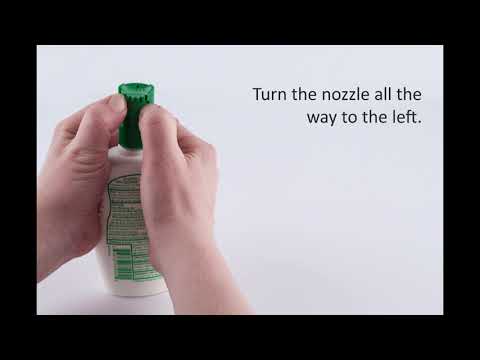
Using Bactine is simple. Just clean the affected area, shake the bottle well, then spray it on. Make sure to hold the bottle about 4-6 inches away from the skin. A thin layer is all you need!
Everyday Uses:
Many people appreciate Bactine because it helps reduce discomfort while healing takes place. When applied correctly, it can provide relief without needing a prescription.
Side Effects:
While most people tolerate it well, some might experience mild irritation or allergic reactions. It’s always wise to do a patch test on a small area of skin first.
If you notice any unusual reactions after using Bactine, consider stopping use and seeking guidance if needed.
Myths About Antiseptics:
A common myth is that any antiseptic is good enough for all injuries. However, not every cut requires an antiseptic like Bactine. Sometimes, just cleaning with mild soap and water works best.
In summary, Bactine Spray serves as a handy tool for treating minor skin injuries while offering pain relief through its numbing component. Always remember that it’s important to care for wounds properly and check with someone knowledgeable if you have concerns or questions about treatment methods.
Being informed helps us make better decisions about our health!
Bactine Spray is a topical antiseptic that many households rely on for minor cuts, scrapes, and burns. Its primary function is to help prevent infection while providing some pain relief due to its numbing properties. The active ingredients usually include benzalkonium chloride, which has antimicrobial effects, and lidocaine, which offers temporary pain relief.
When using Bactine Spray, it’s important to follow the instructions carefully. Applying it too liberally or too frequently can lead to skin irritation or allergic reactions. While most people experience no severe side effects, some may develop redness or itching at the application site. Always watch for signs of an allergic reaction, such as swelling or difficulty breathing.
Key insights about Bactine Spray include its limited scope of use. It’s effective for minor injuries but isn’t a substitute for professional medical treatment in the case of deep wounds or serious infections. Additionally, understanding that antiseptics are just one part of wound care can lead to better outcomes; keeping a wound clean and properly dressed is equally important.
In summary, while Bactine Spray can be a handy addition to your first-aid kit, it’s essential to remain informed about its use and limitations. Always consult with a healthcare professional if you’re unsure about how to manage injuries properly or if you have concerns about specific skin reactions. Responsible usage paired with careful observation can make this product beneficial in everyday health management.