The information provided in this article is intended solely for general informational and educational purposes. It does not constitute medical advice, diagnosis or professional treatment, and should not be considered a substitute for consultation with a qualified doctor or other licensed healthcare professional. Any health-related decisions should be made in consultation with accredited medical professionals.
While efforts have been made to ensure the information is accurate and up to date, no guarantees are given—either express or implied—regarding its accuracy, completeness, currency or suitability. Use of this information is at your own discretion.
It is strongly recommended to consult official sources such as the NHS (National Health Service) or other recognised medical institutions before acting on any information contained on this website or article. Under no circumstances should professional medical advice be ignored or delayed due to content read here.
This content is of a general and informational nature only. It is not intended to replace individualised guidance from a healthcare professional or to establish any doctor-patient relationship. The publication of this information does not imply any professional responsibility, guarantee or obligation on the part of the author or this site.
Have you ever sneezed uncontrollably while enjoying a picnic? It’s no fun, right? Allergies can be super annoying, affecting our daily lives in ways we often don’t anticipate. You might have tried over-the-counter meds or even home remedies, but sometimes they just don’t cut it.
Nasal sprays are a powerful option that many people overlook. But here’s the thing: using them the right way is key to getting the best relief. This article is all about mastering nasal spray use for effective allergy relief. We’ll dive into how they work, when to use them, and common mistakes that might be holding you back.
Understanding these sprays can make a world of difference in managing those pesky symptoms. It’s all about living life without constantly reaching for tissues or suffering through itchy eyes.
Remember, though—this content doesn’t replace medical advice. Health decisions shouldn’t be based solely on what you read here; consulting with a healthcare professional is always a smart move.
Discover the Best Solution to Breathe Easy and Relieve Your Allergy Symptoms
Understanding Nasal Sprays for Allergy Relief
So, you’re dealing with allergies? It can be really annoying, right? Symptoms like sneezing, itchy eyes, and a stuffy nose can make life pretty uncomfortable. One option people often reach for is nasal sprays. But how do they actually work?
Nasal sprays are designed to deliver medication directly into your nasal passages. Think of your nasal cavity as a little room. When allergens like pollen or dust invade that room, the sprays help clean it up and soothe the irritation. There are different types of these sprays.
Types of Nasal Sprays
- Steroid Nasal Sprays: These reduce inflammation in the nasal passages. They may take some time to work fully but can be very effective.
- Antihistamine Nasal Sprays: These block histamines, which are chemicals our bodies release during allergic reactions. They might act quicker than steroids.
- Saline Sprays: Simple saltwater solutions that help moisten dry nasal passages and wash away allergens and irritants.
You might wonder when to use these sprays. Well, it often depends on your symptoms and specific needs. If you wake up in the morning feeling like you can’t breathe well because of pollen, a steroid spray could help reduce that swelling.
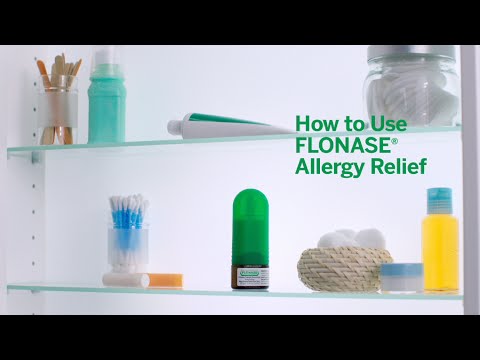
How to Use a Nasal Spray Properly
The right technique is crucial for getting the most benefit from any spray. Here’s a simple way to do it:
- Blow your nose gently before using the spray.
- Tilt your head slightly forward—not back—when spraying.
- Squeeze one nostril closed with one finger while inserting the tip into the other nostril.
- Aim towards the back outer wall of your nose—not straight up!
- Squeeze the bottle firmly while breathing in through your nose.
This helps ensure that more medicine gets where it needs to go! Sometimes people make mistakes here and don’t get as much relief as they’d hoped.
Mistakes People Make With Nasal Sprays
- Nose Blowing After Use: Blowing your nose immediately after using a nasal spray can knock out medication before it works!
- Not Cleaning The Nozzle: If you don’t clean it regularly, germs can build up and cause infections or even worsen symptoms over time.
An important aspect is persistence! Regular use may lead to better control of allergy symptoms over time. It’s kind of like exercising consistency usually yields better results than sporadic efforts.
A Few Final Thoughts
If you’re finding nasal sprays aren’t helping or if you’re having side effects, it’s definitely worth chatting with someone about it—like a healthcare provider or pharmacist. There are many strategies out there besides just medication!
Managing allergies doesn’t have to be daunting—you’ve got options! Whether it’s nasal sprays or other remedies, there’s comfort in knowing you’re not alone in this struggle against allergies!
Navigating the Risks and Benefits of Allergy Relief in a Spray
Allergies can be really annoying, right? Sneezing, stuffy nose, itchy eyes—ugh. Nasal sprays are a popular option for allergy relief. But they come with their own set of risks and benefits. Let’s break it down.
Understanding Nasal Sprays
Nasal sprays are liquid medications delivered directly into the nasal passages. They work by reducing inflammation or blocking certain allergy-causing substances. Imagine spraying water on a wilting plant; it gives instant relief to those leaves!
The Benefits
- Fast Relief: Many find that nasal sprays offer quick relief from symptoms compared to pills.
- Targeted Treatment: Since they go straight to your nose, they can target allergens more directly.
- Dosing Control: It’s easier to control how much you’re using compared to other forms like tablets.
The Risks
You need to know that using nasal sprays isn’t entirely without issues. Sometimes, people can experience side effects like nasal irritation or even nosebleeds. Think about it: too much watering can flood a garden!
- Tolerance: Over time, some may find they need more spray for the same relief—a phenomenon known as tolerance.
- Dependency: Relying on them too much might lead to rebound congestion, where symptoms get worse if you stop using it.
Selecting the Right Spray
There are different types of nasal sprays available: steroids, antihistamines, and saline solutions. Steroid sprays reduce inflammation effectively but may have more risks associated with long-term use. Antihistamine sprays can block symptoms but often require consistent usage for best results.
You might also consider saline sprays—they’re gentler and primarily keep your nasal passages moist without medication risks. It’s like adding humidity back into dry air!
Your Personal Situation Matters
Your specific allergies and health history make a huge difference in what works best for you. Before diving into any treatment regimen, having a chat with someone knowledgeable about allergies is smart! They can help find what fits your needs best without causing unnecessary risks.
A Balanced Approach
The important thing is finding balance—between relief and potential downsides of nasal sprays. Maybe you’ll have days when it’s perfect for you and times when other methods work better; that’s totally okay!
Your body reacts differently each day based on many factors like weather or stress levels, so being flexible is beneficial.
Final Thoughts
Navigating allergy relief isn’t just about picking one option; it’s about understanding all that goes into the decision-making process.. Consider talking to others who use them or reading up from trusted sources if you’re unsure!
Maximizing Relief: Finding the Right Balance with Nasal Spray for Allergies
Allergies can be a real pain, right? When pollen counts go up, your nose might start running, or you could find yourself sneezing non-stop. Nasal sprays can help with that. But finding the right spray and using it correctly is crucial for getting the relief you need.
Understanding Nasal Sprays
Nasal sprays come in different types. You’ve got saline sprays that just moisturize your nose, corticosteroid sprays that reduce inflammation, and even antihistamine sprays that block allergic reactions. Knowing which type works for you is key.
The Benefits of Corticosteroid Sprays
Corticosteroid nasal sprays are popular for allergies. They don’t just relieve stuffiness; they also tackle congestion and runny noses by reducing inflammation inside the nasal passages. Think of them as a fire extinguisher for your nose.
Using Your Spray Correctly
- Shake it up: Always shake the spray before use.
- Aim properly: Point it towards the side wall of your nostril, not straight back.
- Breathe gently: Inhale slowly while spraying to help it go deep into your sinuses.
- Don’t overdo it: Follow package instructions on how many times to use it each day.
If you’re unsure about anything, checking with someone who knows about this stuff can really help.
Avoiding Overuse
You might think more is better when trying to get relief. But here’s a thing: overusing nasal sprays can lead to rebound congestion. That means after using them too much, your nose might end up feeling stuffier than before!
Pairing With Other Treatments
Nasal sprays often work best when combined with other treatments like oral antihistamines or allergy shots. Assessing what helps—like reducing exposure to allergens—also plays a significant role in how effective they are.
Keeps Track of Your Symptoms
If you’ve ever felt confused about how well something works, keeping a diary can clarify things. Jot down when you use your spray and what symptoms you’re experiencing. This info helps understanding patterns and triggers better.
Consulting Healthcare Professionals
If you’re finding that nothing seems to work or if side effects are bothering you, reaching out for professional advice is always smart. There could be other options or strategies available that suit your needs more effectively.
The Bottom Line
Nasal sprays can be a game changer for allergy relief if used wisely. It’s all about hitting that sweet spot between effectiveness and safety while being aware of how they fit into your overall allergy management plan. Remember, everyone’s body reacts differently! So take note of what feels right for you as you navigate through allergies this season.
Mastering Nasal Spray Use for Effective Allergy Relief
Nasal sprays can be a game changer when it comes to managing allergies. Understanding how to use them properly makes all the difference in getting the most from your relief.
First, it’s essential to know the different types of nasal sprays available. Some are corticosteroids, which help reduce inflammation, and others might be antihistamines that tackle allergy symptoms directly. Choosing the right one is key.
When using a nasal spray, proper technique matters so much. Many people miss this point. Tilt your head slightly forward, aim the nozzle towards the outside of your nostril, and spray while inhaling gently through your nose. This ensures the medication reaches where it needs to go.
One common mistake is not shaking the bottle before use. This can lead to uneven doses, meaning you might not get enough medication in each spray. It’s a small step but really can impact effectiveness.
Also, be mindful of how often you use these sprays. Overuse—especially with decongestant nasal sprays—can lead to something called rebound congestion. This means your symptoms could worsen if you stop using them after prolonged use.
Allergies aren’t just seasonal; they can affect daily life significantly. That’s why mastering nasal spray usage plays an important role in effective management strategies alongside other treatments like oral antihistamines or allergy shots.
Taking control of allergies involves being informed and proactive about treatment options available to you. With a little practice, you’ll feel empowered in managing discomfort more effectively!