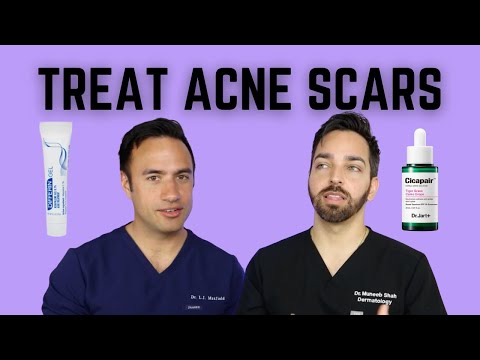
Allantoin is a fascinating compound that has made its way into countless skincare products. Known for its soothing and healing properties, allantoin is derived from the comfrey plant and is celebrated for its ability to promote skin health. Think of it as a gentle friend that helps your skin heal while moisturizing and softening it.
When applied topically, allantoin can benefit various skin concerns, ranging from minor irritations to dry patches. It works by encouraging cell turnover, which ultimately aids in creating a smoother complexion. Imagine how new leaves sprout on a tree each spring; that’s similar to what allantoin does for your skin!
However, like any skincare ingredient, it’s essential to approach allantoin with awareness. While many enjoy its benefits, some might experience sensitivity or allergic reactions. It’s crucial not to assume that a product will work the same way for everyone. Personal testing and understanding are key.
Warning: Before introducing new topical treatments like allantoin into your routine, take time to consult with different skincare specialists and explore multiple sources of information. Each person’s skin is unique, and what works well for one may not suit another. Always stay informed about potential risks alongside the benefits!
The information provided in this article is intended solely for general informational and educational purposes. It does not constitute medical advice, diagnosis or professional treatment, and should not be considered a substitute for consultation with a qualified doctor or other licensed healthcare professional. Any health-related decisions should be made in consultation with accredited medical professionals.
While efforts have been made to ensure the information is accurate and up to date, no guarantees are given—either express or implied—regarding its accuracy, completeness, currency or suitability. Use of this information is at your own discretion.
It is strongly recommended to consult official sources such as the NHS (National Health Service) or other recognised medical institutions before acting on any information contained on this website or article. Under no circumstances should professional medical advice be ignored or delayed due to content read here.
This content is of a general and informational nature only. It is not intended to replace individualised guidance from a healthcare professional or to establish any doctor-patient relationship. The publication of this information does not imply any professional responsibility, guarantee or obligation on the part of the author or this site.
Unlocking the Magic of Allantoin: Discover Its Skin-Loving Perks
Allantoin is a naturally occurring compound found in plants like comfrey and in some animal sources. It has been used in skincare for many years, but what can it really do for your skin?
First off, allantoin is known for its soothing properties. It can help calm irritation and reduce inflammation, making it beneficial for sensitive skin. Think of it as a gentle hug for your skin.
Another perk of allantoin is its ability to promote cell regeneration. This means it can assist your skin in healing itself. When you have minor cuts or scratches, allantoin might help speed up the recovery process.
Here are some key benefits of allantoin:
It’s important to note that while allantoin has many perks, it isn’t a miracle solution. Like any ingredient, how well it works can vary from person to person.
Some people may wonder if there are risks associated with using products containing allantoin. Generally, it’s considered safe when used topically. However, as with any skincare product, some individuals might experience reactions or allergies.
Always do a patch test before fully incorporating a new product into your routine. This way, you can check if your skin responds well without jumping into using it everywhere at once.
When looking for products with allantoin, consider checking the ingredient list on labels. You’ll often find it in moisturizers and creams designed for sensitive or dry skin types.
In conclusion, allantoin is an intriguing ingredient worth exploring if you’re interested in skincare. While it offers several benefits that promote healthier-looking skin, remember that each person’s experience may differ. Always keep an open mind and listen to what your skin tells you!
Uncovering the Truth About Allantoin: The Surprising Effects on Your Skin Health
Allantoin is a compound that many people might not know about, but it’s become a popular ingredient in skincare. It’s often praised for its soothing properties and ability to improve skin health. Let’s break down what allantoin is and how it may benefit your skin.
First, what is allantoin? It’s a naturally occurring substance found in various plants, such as comfrey and chamomile. In skincare products, it’s used mainly for its moisturizing and healing effects. Think of it as nature’s way of helping your skin recover.
Benefits of allantoin include:
These potential benefits are why allantoin is often found in lotions and creams designed for sensitive or dry skin.
However, like any ingredient, it’s important to be aware of possible risks. While adverse reactions are rare, some individuals might experience irritation or allergic reactions. Always do a patch test before trying new products on larger areas of your body.
Many people wonder if allantoin is effective in treating specific conditions like eczema or acne. While some users report improvements, scientific evidence isn’t definitive. It’s always best to consult with someone knowledgeable about skincare concerns if you have conditions like these.
You might find that allantoin works great for your skin, but keep in mind that everyone’s skin is unique. What works wonders for one person might not suit another.
When choosing products with allantoin, check the other ingredients too. Formulations can vary widely in quality and effectiveness.
In summary, allantoin has potential benefits for hydration and soothing irritated skin. However, be cautious and informed when adding new products to your routine. Always prioritize listening to your own body’s needs and consult professionals when necessary.
As with any aspect of health or beauty routines, critical thinking helps you make the best choices suited for you!
Unlocking the Skin Benefits of Allantoin: Nature’s Soothing Secret
Allantoin is a compound found naturally in plants like comfrey and is often used in skin care products. People love it for its soothing properties. But what exactly can it do for your skin? Let’s explore.
Firstly, allantoin helps to moisturize the skin. Think of it like a gentle hug that wraps around your skin cells, keeping them hydrated and happy.
Secondly, it promotes healing. When your skin is irritated or damaged, allantoin can encourage new cell growth. It’s like giving your skin a helping hand when it needs to repair itself.
Additionally, allantoin has anti-inflammatory effects. This means it can reduce redness and swelling in the skin. Imagine using ice on a bruise – while not cold, allantoin cools down inflammation to help you feel better.
You might’ve heard about its role in treating various skin conditions, including dryness or acne. It’s important to note that while many people find relief with allantoin, reactions can differ from person to person.
While generally considered safe for most skins types, some could experience irritation. Always do a patch test when trying new products containing this ingredient.
When looking for skincare products with allantoin, check the label! You want one with sufficient concentration to reap its benefits.
Key Points:
In summary, allantoin is nature’s little helper for your skin. It offers so much potential but remember: it’s all about understanding what works best for you. Always listen to your body and make informed choices when trying new skincare routines!
Allantoin is a compound commonly found in various skincare products due to its beneficial properties. Understanding its benefits, risks, and visual insights is crucial for making informed decisions about its use.
Benefits: Allantoin is known for its soothing and moisturizing effects. It helps promote skin regeneration, making it useful for treating minor wounds, burns, and dry skin. By acting as a moisturizer, it can help maintain the skin’s hydration levels and improve texture.
Risks: While allantoin is generally safe for topical application, some individuals may experience allergic reactions or skin irritation. It’s important to perform a patch test before using any product containing allantoin extensively. Also, avoid using it on open wounds without medical guidance.
Visual Insights: When assessing products with allantoin, look for those that provide clear ingredient lists and percentages of active compounds. Visual indicators such as texture and absorption can also inform you about product quality. A well-formulated product should feel light yet hydrating without leaving a greasy residue.
In summary, while allantoin has several beneficial properties for the skin, it’s vital to be aware of potential risks and choose high-quality products thoughtfully. Always consider personal skin sensitivities when incorporating new ingredients into your skincare routine. This approach helps ensure that you make informed choices that align with your unique skin health needs.