Acetazolamide is a medication that has garnered attention for its diverse applications. Although it may not be in every household’s medicine cabinet, it plays a crucial role in treating various conditions. From managing glaucoma to preventing altitude sickness, acetazolamide offers valuable benefits—but like any medication, it comes with its own set of risks.
Have you ever wondered how one medication can tackle multiple health issues? It’s fascinating! Acetazolamide works by altering the way your body processes certain chemicals, leading to effects that can be both beneficial and challenging. Understanding its uses and potential side effects can empower you to make informed choices.
As with any treatment, it’s essential to be well-informed. Always consult with healthcare professionals before starting any new medication or treatment plan. The information provided here is intended for general knowledge but should not replace personalized advice from qualified specialists.
Remember, your health is your most important asset. Stay curious and proactive about learning from various sources and specialists to navigate the complexities of medications like acetazolamide effectively!
The information provided in this article is intended solely for general informational and educational purposes. It does not constitute medical advice, diagnosis or professional treatment, and should not be considered a substitute for consultation with a qualified doctor or other licensed healthcare professional. Any health-related decisions should be made in consultation with accredited medical professionals.
While efforts have been made to ensure the information is accurate and up to date, no guarantees are given—either express or implied—regarding its accuracy, completeness, currency or suitability. Use of this information is at your own discretion.
It is strongly recommended to consult official sources such as the NHS (National Health Service) or other recognised medical institutions before acting on any information contained on this website or article. Under no circumstances should professional medical advice be ignored or delayed due to content read here.
This content is of a general and informational nature only. It is not intended to replace individualised guidance from a healthcare professional or to establish any doctor-patient relationship. The publication of this information does not imply any professional responsibility, guarantee or obligation on the part of the author or this site.
Unlocking the Hidden Advantages of Acetazolamide for Your Health
Acetazolamide is a medication that may not be well-known, but it has several interesting uses. Often prescribed for conditions like glaucoma or altitude sickness, it can also have some surprising benefits for your health.
How does acetazolamide work? It inhibits an enzyme called carbonic anhydrase. This affects how the body manages carbon dioxide and bicarbonate levels. Think of it as a cog in the machine of your body’s acid-base balance.
Common uses include:
One lesser-known advantage is its role in weight loss. Some studies suggest acetazolamide could help with shedding pounds, although it’s not primarily a weight-loss drug.
However, like all medications, it comes with risks. Common side effects can include tingling sensations, frequent urination, or dizziness. More serious effects might occur in rare cases.
It’s important to note that acetazolamide might not be suitable for everyone. People with both kidney issues and certain electrolyte imbalances should exercise caution.
Also, some myths exist around this medication. For instance, taking more than prescribed doesn’t lead to faster results and may cause harm instead.
Always consult with a healthcare professional before starting any new medication or treatment plan. They can provide tailored advice based on your unique health needs.
In summary, while acetazolamide has various uses that may benefit some people, understanding its mechanisms and potential side effects is key to making informed decisions about your health.
Unraveling the Controversy Behind Its Use and Restrictions
Acetazolamide is a medication primarily known for treating certain conditions like glaucoma, altitude sickness, and some forms of epilepsy. Its use has sparked debate, so let’s explore the benefits, risks, and the controversy surrounding it.
One of its main benefits is its ability to reduce pressure in the eyes for glaucoma patients. Imagine it as a drain helping to release excess fluid. This can prevent damage to the optic nerve and preserve vision.
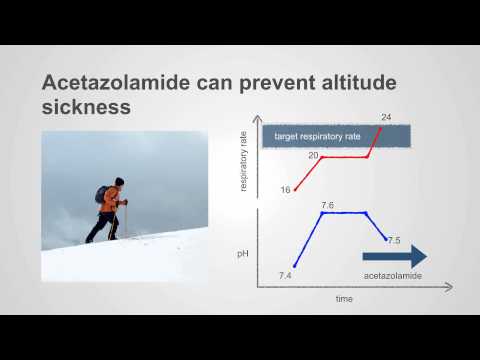
Additionally, acetazolamide is useful at high altitudes. When you climb mountains and your body struggles for oxygen, this medication can help you acclimatize faster. Think of it as your body’s helper to adapt to thinner air.
However, like all medications, acetazolamide has potential risks. Some people experience side effects like tingling in fingers or toes, dizziness, or upset stomach. These can be bothersome but often fade with time.
There are also more serious risks involved. For instance, it can affect kidney function or cause an electrolyte imbalance. This means that important minerals in your body may become unbalanced if not monitored carefully.
The controversy often lies in how acetazolamide is prescribed and used. Some believe it’s overprescribed for conditions that might respond better to other treatments. This raises questions about whether patients are getting the best option for their health needs.
Another point of contention involves its use outside typical indications—like weight loss or sports performance enhancement. Many experts warn that these uses lack sufficient evidence and pose unnecessary risks.
Informed decision-making is essential when considering any medication like acetazolamide. Always discuss options with a healthcare provider who understands your specific situation.
To summarize:
Approach this medication with care and understanding. Balancing potential benefits with risks is crucial for responsible health choices.
Uncover the Key Uses of a Versatile Medication
Acetazolamide is a medication known for its versatility. It has several key uses that can be quite beneficial, but also comes with risks and considerations. Understanding this medication can help people make informed decisions.
One primary use of acetazolamide is to treat altitude sickness. When you ascend to high altitudes, your body struggles to get enough oxygen. This can lead to symptoms like headache, nausea, and dizziness. Acetazolamide helps the body acclimatize by promoting breathing and improving oxygen levels.
Another important use is in managing certain types of glaucoma. Glaucoma is a condition that increases pressure in the eye, potentially harming vision. Acetazolamide reduces this pressure by decreasing the production of fluid within the eye.
Acetazolamide also plays a role in treating edema – swelling caused by excess fluid in the body. It’s often used when other diuretics may not be effective enough. By helping the kidneys remove more water, it alleviates swelling and discomfort.
Seizures are another area where acetazolamide may help, especially for specific types of epilepsy. Though it’s not typically a first-line treatment, it can be beneficial as an adjunct therapy.
However, as with any medication, there are risks involved with acetazolamide. Common side effects include tingling sensations or taste changes. Some people may experience gastrointestinal upset or fatigue.
More serious side effects can occur but are less common. These could include severe allergic reactions or respiratory issues for some individuals.
It’s essential to always discuss potential interactions with other medications you are taking or existing health conditions you have before starting acetazolamide.
In summary, acetazolamide has multiple uses ranging from altitude sickness relief to managing glaucoma and seizures. It’s vital to weigh its benefits against potential risks carefully.
If you’re considering this medication for any reason, having detailed discussions with healthcare professionals is crucial to ensure it’s appropriate for your situation.
Acetazolamide is a medication primarily used to treat conditions like glaucoma, altitude sickness, and certain types of seizures. Its mechanism involves inhibiting an enzyme that plays a crucial role in fluid regulation within the body.
Benefits of acetazolamide include its effectiveness in lowering intraocular pressure in glaucoma patients and providing relief from symptoms related to high altitudes, such as headache and shortness of breath. Many find it useful for improving tolerance at higher elevations, making it popular among hikers and climbers.
However, risks exist. Side effects can range from mild to severe. Common ones include tingling sensations and fatigue, while more serious reactions may involve allergic responses or metabolic acidosis. Continuous monitoring is essential since these effects can impact overall health.
Essential insights highlight the importance of using acetazolamide under proper medical advice. Understanding dosage and potential interactions with other medications helps minimize risks. Patients should also be informed about possible side effects to distinguish normal reactions from concerning issues.
In conclusion, while acetazolamide serves significant therapeutic roles, informed use—balancing benefits against risks—is crucial for optimal health outcomes. Engaging in open discussions with healthcare providers promotes better management of any underlying conditions being treated with this medication.