The information provided in this article is intended solely for general informational and educational purposes. It does not constitute medical advice, diagnosis or professional treatment, and should not be considered a substitute for consultation with a qualified doctor or other licensed healthcare professional. Any health-related decisions should be made in consultation with accredited medical professionals.
While efforts have been made to ensure the information is accurate and up to date, no guarantees are given—either express or implied—regarding its accuracy, completeness, currency or suitability. Use of this information is at your own discretion.
It is strongly recommended to consult official sources such as the NHS (National Health Service) or other recognised medical institutions before acting on any information contained on this website or article. Under no circumstances should professional medical advice be ignored or delayed due to content read here.
This content is of a general and informational nature only. It is not intended to replace individualised guidance from a healthcare professional or to establish any doctor-patient relationship. The publication of this information does not imply any professional responsibility, guarantee or obligation on the part of the author or this site.
Have you ever thought about what’s really going into your mouthwash? You’re not alone. It’s something most of us use daily, but we often overlook its ingredients and potential effects.
Periogard mouthwash is one of those products that promises to tackle gum disease and bad breath. Sounds great, right? But there’s more to it than meets the eye.
This article dives deep into the uses and risks associated with Periogard. You’ll learn why it can be beneficial for maintaining oral health, but also what some people need to watch out for. Sometimes, even seemingly harmless products can have side effects that might surprise you.
It’s all about making informed choices. This content aims to give you essential insights so you can decide whether Periogard is the right option for you or a loved one.
Remember, though—this information isn’t a substitute for professional medical advice. Health decisions should always involve consultation with a healthcare provider who knows your unique situation.
Uncovering the Unexpected Effects of Periogard Mouthwash
What is Periogard Mouthwash?
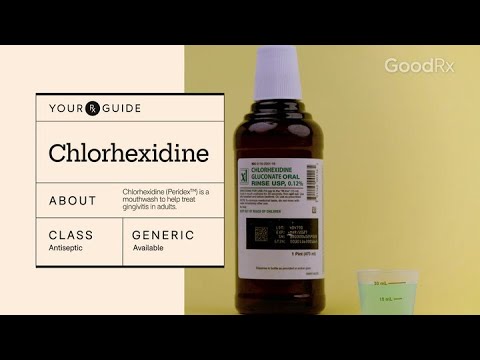
Periogard mouthwash is an antiseptic solution often used to help with oral hygiene. It contains chlorhexidine gluconate, which fights bacteria in the mouth. Think of it like putting a shield around your gums to protect them from invaders.
When is it typically used?
People commonly use Periogard after dental procedures or to manage conditions like gum disease. It can help reduce plaque buildup and soothe inflammation in the gums. You might be advised to use it for a short time, usually about two weeks.
Are there any unexpected effects?
Absolutely, sometimes things don’t go as planned. Some users report changes in taste or even staining of their teeth after using Periogard. It’s kind of like when you drink grape juice and your teeth look purple for a bit!
Mouth Irritation
Some people may experience mouth irritation or dryness as well. Imagine taking too many salty snacks; your mouth might feel uncomfortable afterward. If that happens, it’s good to talk about it with someone who can help.
Potential Allergic Reactions
A few folks might have an allergic reaction, though that’s pretty rare. Symptoms could include rash or swelling—like when you get bitten by a mosquito but on a larger scale. If you notice anything odd like this, it’s smart to stop using the product.
Can it affect oral health long-term?
This part gets interesting! Long-term use of chlorhexidine can actually lead to some side effects that you wouldn’t expect at first glance. For example, some studies have shown that prolonged use might alter the normal balance of oral bacteria, leading to potential issues down the line.
The taste factor
A lot of people mention how Periogard has a strong taste—some find it off-putting! It’s unusual but worth noting because if you’re not keen on the flavor, you may not stick with it as prescribed.
Erosion of enamel?
This is another important question: Could using this mouthwash potentially erode tooth enamel? Research suggests that while it’s effective against bacteria, excessive use could harm the protective layer on your teeth over time.
You shouldn’t mix and match
If you’re using other dental products—like fluoride toothpaste or different types of mouthwashes—it’s good idea to give them some space between uses. Mixing them might lead to unexpected interactions that could reduce effectiveness.
The bottom line
The thing is, while Periogard can be helpful for specific oral issues, it’s essential to be aware of its potential side effects too. Listen closely to your body and don’t hesitate chat with your dentist if something feels off!
Unlocking the Secrets to a Healthier Smile with Periogard Mouthwash
Understanding Periogard Mouthwash
Periogard mouthwash is a product often used to improve oral health. It’s formulated with chlorhexidine, which is an antimicrobial agent. So, what does that mean? Well, it helps kill bacteria in your mouth. This can be particularly helpful if you’re dealing with gum issues or surgery recovery.
How Does It Work?
The mouthwash works by creating a protective layer on your teeth and gums. Think of it like a shield against harmful bacteria. When you swish it around, the chlorhexidine goes to work and reduces plaque buildup—a major culprit behind tooth decay and gum disease.
When Do People Use It?
You might find it prescribed for certain conditions, like gingivitis or after dental procedures. Some people might use it as part of their daily routine if they’re prone to gum problems. Just keep in mind that it’s not a substitute for regular brushing and flossing.
Potential Risks
While Periogard can be really beneficial, there are some things to consider before diving in.
- Staining: It can cause discoloration of your teeth over time. It’s something that some users experience; so don’t be alarmed if you notice this happening.
- Taste Alterations: Some folks report an odd metallic taste after using it regularly. If that happens to you, it’s something worth noting.
- Mouth Irritation: A few people may develop irritation or sensitivity in their mouths or gums from the ingredients present.
The Right Usage
If you’re thinking about using Periogard, it’s important to stick to the instructions provided—whether that’s from your dentist or the product label. Too much mouthwash isn’t helpful; moderation is key!
A Few Things To Remember
This mouthwash isn’t for everyone. Pregnant individuals or those allergic to chlorhexidine should consult their healthcare provider before using it.
Your Smile Matters
Your oral health plays a huge role in overall well-being. While products like Periogard provide support, they shouldn’t replace good habits like brushing twice daily and regular visits to your dentist.
If you have any concerns or questions about how this fits into your routine, chatting with a dental professional can help clarify things.
Better safe than sorry!
Unlock a Healthier Smile with Every Rinse
Understanding Periogard Mouthwash
Periogard is a mouthwash that contains chlorhexidine, an antiseptic ingredient. It’s often used for oral health, especially for treating gum disease and after dental procedures. The idea is to reduce bacteria in the mouth, helping to prevent infections.
Uses of Periogard
So, why do people use it? Well, if someone has gingivitis—an inflammation of the gums—Periogard can help manage those symptoms. It might also be prescribed after surgeries like tooth extractions or implants to keep the area clean.
Think of it like washing your hands. Just as soap reduces germs on your skin, Periogard aims to reduce harmful bacteria in your mouth.
How to Use It
- Rinse with about 10-15 milliliters.
- Swish it around for about 30 seconds.
- Don’t swallow it—just spit it out!
- You might want to avoid eating or drinking for at least half an hour after rinsing.
Possible Risks and Side Effects
Now, let’s get real about side effects. Some people may experience stains on their teeth or altered taste sensation. That sounds pretty annoying, right? But these issues are generally reversible once you stop using the product.
You know how sometimes too much of anything can be bad? The same goes for mouthwash! Overusing Periogard may disrupt the natural balance of bacteria in your mouth. This could lead to other oral problems down the line.
When Not to Use It
- If you’re allergic to chlorhexidine or any other ingredient listed on the label.
- Banned during pregnancy unless prescribed by a healthcare provider.
The Bottom Line
Mouthwashes like Periogard can be a helpful addition to your oral care routine but should not replace regular brushing and flossing. Always consult with a professional if you’re considering it long-term or have concerns about its effects on your health.
An informed smile is a happy smile! Keep asking questions and stay proactive about your oral health habits!
Essential Insights on Periogard Mouthwash: Uses and Risks
Periogard mouthwash contains chlorhexidine gluconate, an antiseptic agent that’s effective against bacteria. It’s often recommended for treating gum disease and preventing infections after dental procedures. The thing is, while it can be really beneficial for oral health, there are some important considerations.
One of the main uses of Periogard is its ability to reduce plaque and gingivitis. When you think about it, maintaining oral hygiene isn’t just about a bright smile; it’s crucial for overall health. Poor dental care can lead to more severe issues like heart disease or diabetes complications.
However, using Periogard isn’t without risks. Prolonged use can lead to side effects such as tooth staining or altered taste sensation. Some people also experience irritation in their mouths or increased tartar build-up, which doesn’t sound fun at all.
The key point here is moderation and timing. Dentists usually recommend using this mouthwash for a short period rather than as a daily routine. After all, your mouth’s natural balance is delicate, and too much antiseptic can disrupt it.
In summary, while Periogard has its place in oral care—especially when you’re addressing specific issues—being informed about its uses and potential risks allows you to make better choices for your mouth health. Always feel free to have a chat with your dentist if you’re considering it! They can offer tailored advice based on your needs.