The information provided in this article is intended solely for general informational and educational purposes. It does not constitute medical advice, diagnosis or professional treatment, and should not be considered a substitute for consultation with a qualified doctor or other licensed healthcare professional. Any health-related decisions should be made in consultation with accredited medical professionals.
While efforts have been made to ensure the information is accurate and up to date, no guarantees are given—either express or implied—regarding its accuracy, completeness, currency or suitability. Use of this information is at your own discretion.
It is strongly recommended to consult official sources such as the NHS (National Health Service) or other recognised medical institutions before acting on any information contained on this website or article. Under no circumstances should professional medical advice be ignored or delayed due to content read here.
This content is of a general and informational nature only. It is not intended to replace individualised guidance from a healthcare professional or to establish any doctor-patient relationship. The publication of this information does not imply any professional responsibility, guarantee or obligation on the part of the author or this site.
Ever felt that strange tingling sensation in your hands or feet? It’s one of those things that can really catch you off guard. Sometimes it feels like tiny ants are crawling on your skin, huh? You’re definitely not alone in this experience.
Tingling, also known as paresthesia, can pop up for various reasons—some benign and others a bit more serious. It’s important to understand what might be causing it and why it matters to you. The thing is, our bodies communicate through sensations like these, and tuning into those signals can guide us toward better health.
This article will explore the common causes of tingling in your extremities and suggest steps you might consider next. We’ll break down the science behind it all without drowning you in medical jargon. Remember, though, that this content doesn’t replace professional medical advice; health decisions should always involve a chat with a healthcare professional.
So grab a comfy seat and let’s dive into understanding what’s going on when your hands or feet tingle—it could just be the key to feeling better.
Uncovering the Surprising Causes Behind Numbness and Tingles in Your Extremities
Understanding Tingling in Hands & Feet: Causes and Next Steps
Numbness and tingling in your hands and feet can be puzzling, right? It’s like your body is sending you a message, but the language is a bit confusing. Let’s break down some of the common causes and what you can do next.
1. Nerve Compression
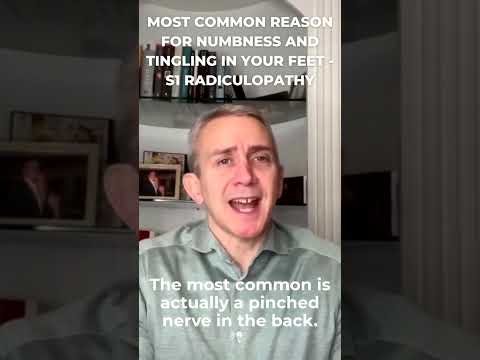
One of the most common reasons for that tingling feeling is nerve compression. Think of it like sitting on your foot for too long. When you finally stand up, that pins-and-needles sensation rushes in. This can happen with repetitive movements or even sleeping in an awkward position.
2. Diabetes
Hey, diabetes isn’t just about sugar levels; it can also affect your nerves over time. This condition may lead to diabetic neuropathy, causing tingling sensations—especially in the feet. Keeping good control of blood sugar levels can really help manage these symptoms.
3. Vitamin Deficiencies
You know how important vitamins are for our health? Well, a lack of certain vitamins like B12 or folate might lead to nerve issues too. If you’re not getting enough from your diet, it could result in numbness or tingles.
4. Multiple Sclerosis (MS)
This is a more serious cause but worth mentioning! MS is an autoimmune disease affecting the brain and spinal cord, leading to various symptoms including numbness. If this is suspected, it’s essential to talk to someone who can help figure things out.
5.
6. Anxiety and Stress
The Next Steps
- If they are persistent or worsen over time, reach out for medical advice—seriously; it’s crucial!
- A good diet that’s rich in nutrients can help prevent vitamin deficiencies.
- Taking breaks from repetitive activities might relieve pressure on nerves as well.
Understanding the Link Between Nutritional Gaps and Nerve Sensations
Nerve sensations, like tingling or numbness in your hands and feet, can be pretty annoying. Sometimes, these sensations can be linked to nutritional gaps in your diet. When your body doesn’t get enough essential nutrients, it can affect how your nerves function.
So, what nutrients are we talking about? Well, vitamins like B12, B6, and folate are crucial for nerve health. If you don’t intake enough of these vitamins, it could lead to nerve damage or dysfunction. And that’s when tingling might pop up.
Take vitamin B12 as an example. It’s mainly found in animal products like meat and dairy. If someone follows a vegan diet without proper supplementation or includes fortified foods with B12, they might risk a deficiency. This deficiency can cause those unpleasant feelings in the hands and feet.
Anemia is another consequence of low vitamin levels which happens when there aren’t enough healthy red blood cells to carry oxygen throughout the body. This can create that tingly feeling as well! You know? When the nerves don’t get enough oxygen or nutrients because of anemia, they start acting strangely.
Adequate magnesium intake also plays a role here. Magnesium helps with nerve transmission and muscle function. If you’re low on magnesium – maybe because you’re not eating enough nuts, seeds or green leafy veggies – it could contribute to abnormal sensations.
Real-Life Example
Imagine this: someone who eats mostly processed food but rarely includes vegetables or whole grains may find themselves experiencing more frequent tingling in their extremities over time. It’s kind of like driving a car with no fuel; eventually, it’s going to stall.
Next Steps
- If you’ve noticed persistent tingling in your hands or feet, it’s worth looking at your diet first.
- Consider keeping a food diary for a week to see if you’re missing important nutrients.
- If you suspect deficiencies based on what you eat – talk to someone who knows about nutrition!
- Your healthcare provider may suggest blood tests to check nutrient levels if needed.
The connection between nutrition and nerve sensations is real but often overlooked. Eating balanced meals ensures you’re getting adequate vitamins and minerals necessary for healthy nerve function. So next time you feel that tingle remember: maybe it’s a little nudge from your body reminding you about what fuels it best!
Recognizing the Signs: When to Seek Help for Unexplained Tingling
Tingling in your hands or feet can be really unsettling. Sometimes it feels like pins and needles, and other times it might feel like something is crawling on your skin. So, when should you actually think about getting help?
Common Causes of Tingling
Tingling can happen for plenty of reasons. It could be as simple as sitting in one position too long—like when your leg goes to sleep. Other times, it might indicate something more serious, like nerve damage or issues with blood flow.
- Diabetes: High sugar levels can harm nerves, leading to tingling.
- Nerve injuries: Trauma to a nerve from an injury can cause these sensations.
- Vitamin deficiencies: Lack of vitamins B12 and folate can result in tingling.
- Multiple sclerosis: This regular neurological disease often shows up with tingling.
When to Call a Professional
You may wonder if a little tingling is normal or worth worrying about. If it’s persistent, it’s probably time to seek help. Also consider when the tingling is accompanied by other symptoms such as weakness or pain.
- If the tingling occurs suddenly and affects one side of your body.
- If you have difficulty speaking or seeing clearly alongside the tingling.
- If you experience severe headaches or loss of coordination.
Your Health History Matters
Your own health background plays a big role here too. If you’ve had past issues like strokes or significant nerve injuries, don’t ignore new symptoms! It’s always better to play it safe than sorry.
Anxiety Can Contribute Too
A lot of people don’t realize that anxiety can cause physical symptoms, including tingling sensations. If you’re feeling stressed out frequently, that could be why you sense those tingly feelings in your limbs.
The Takeaway
Tingling sensations shouldn’t be brushed off lightly—especially if they don’t go away after changing positions or resting. Always listen to your body! Whether it’s just something temporary or a sign of something more serious, seeking professional advice is important for peace of mind and proper care.
Understanding tingling in the hands and feet can be quite a journey. It’s interesting how something so simple can connect to various health issues, right? Tingling, or “paresthesia,” is often harmless but sometimes signals something deeper.
You see, tingling might be caused by nerve compression, like when you sit cross-legged for too long. It can also indicate conditions like diabetes or multiple sclerosis. The key is to look at symptoms as a whole, not just in isolation. Context matters!
If someone experiences persistent tingling, it’s worth discussing with a healthcare professional. They’ll likely conduct tests to diagnose the root cause—blood tests, MRIs, or nerve conduction studies might be involved.
For those who have gone through this experience themselves or know someone who has dealt with it—it’s always good to remember that while some causes are benign, others need attention. Don’t hesitate to seek help and get clarity on what you’re feeling.
Overall, understanding the nuances of these sensations helps people navigate their health more effectively. It’s about taking small next steps towards better awareness and management. After all, our bodies often give us signals—we just need to tune in properly!