The information provided in this article is intended solely for general informational and educational purposes. It does not constitute medical advice, diagnosis or professional treatment, and should not be considered a substitute for consultation with a qualified doctor or other licensed healthcare professional. Any health-related decisions should be made in consultation with accredited medical professionals.
While efforts have been made to ensure the information is accurate and up to date, no guarantees are given—either express or implied—regarding its accuracy, completeness, currency or suitability. Use of this information is at your own discretion.
It is strongly recommended to consult official sources such as the NHS (National Health Service) or other recognised medical institutions before acting on any information contained on this website or article. Under no circumstances should professional medical advice be ignored or delayed due to content read here.
This content is of a general and informational nature only. It is not intended to replace individualised guidance from a healthcare professional or to establish any doctor-patient relationship. The publication of this information does not imply any professional responsibility, guarantee or obligation on the part of the author or this site.
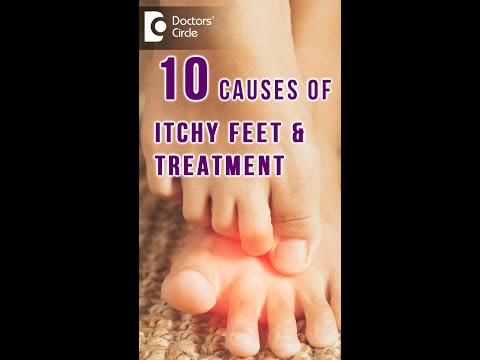
Hey, have you ever found yourself scratching your hands or feet when there’s nothing obvious causing it? That annoying itch can be more than just a temporary nuisance. It can sometimes hint at underlying issues in your body.
In fact, itchy hands and feet are pretty common complaints. You might think it’s just dry skin or an allergy, but there could be more going on. From eczema to fungal infections, the causes vary widely and understanding them is key.
This article dives deep into why your extremities might feel like they need a good scratch. We’ll explore potential causes, some common conditions linked to itchiness, and relief options that could bring you sweet comfort. After all, who wants to deal with constant irritation?
Just keep in mind: while this is helpful information, it doesn’t replace medical advice. It’s best not to make health decisions just based on this article alone. Always consult a healthcare professional for personalized guidance.
Uncovering the Surprising Causes Behind Your Sudden Itchiness
Understanding Itchy Hands and Feet
Itchy hands and feet can really be a nuisance, right? Sometimes, it’s just dry skin. Other times, it might be something more serious. Let’s dig into some of the common causes.
Dry Skin
Dry skin is usually the first thing people think of. You know when winter hits and the air gets all chilly? That can suck moisture from your skin. Keeping your skin moisturized is key here. Creams and lotions can help keep it hydrated.
Allergies
Sometimes it’s allergies sneaking up on you. It could be something in your environment like pollen or pet dander. Or maybe a new soap or detergent you just tried? Allergic reactions often show up as itchiness because your body is reacting to something it sees as harmful.
Skin Conditions
Eczema or psoriasis might also be culprits. Ekzema shows up as red, itchy patches on the skin, while psoriasis typically looks more scaly. A dermatologist can help identify these conditions if they persist.
Poor Circulation
If you’ve been sitting for a long time, poor circulation could lead to itchy sensations too. When blood flow slows down to certain areas like hands or feet, it can cause them to feel tingly or itchy.
Nerve Issues
Nerve problems might sound scary but hear me out; conditions like neuropathy can cause itching without any visible signs on the skin! Diabetes is often linked with this condition.
Relieving Itchiness
You might wonder how to relieve that itchiness once you’ve figured out what’s going on. Here are some methods that people often find helpful:
- Mild soaps: Use gentle cleansers instead of harsh soaps that strip away natural oils.
- Creams: Over-the-counter hydrocortisone cream may provide temporary relief.
- Cooling gels: Aloe vera gel or menthol creams cool off itchy spots effectively.
- Baking soda baths: Adding baking soda to your bathwater could soothe irritated skin.
- Avoid hot water: Warm showers are soothing; hot water may actually dry out your skin further!
Persistent Itchiness?
If itching becomes persistent, talk with someone who knows about health matters—like a healthcare professional! They can look at your unique situation and suggest ways forward.
The thing is, sometimes what seems minor could point to something else going on in your body. Keeping track of when the itch occurs and any other symptoms helps paint a clearer picture!
Understanding the Unseen Triggers Behind Uncomfortable Itching
Understanding Itchy Hands and Feet
Itchy hands and feet can be really annoying, right? Sometimes it may feel like there’s no end in sight. But let’s break down what can cause this itchiness.
Common Triggers
One of the most frequent culprits is dry skin. When air is chilly or dry, your skin can lose moisture. Think of it like a sponge that dries out; it just doesn’t feel good anymore.
Another possibility could be allergies. Certain foods, plants, or even pet dander might make your body react with itching. It’s sort of like your body is saying, “Hey! Watch out for that!”
Eczema, a term that sounds complicated but simply refers to inflamed skin, might also play a role. People with eczema often experience itchy patches on their skin.
Medical Conditions to Consider
Sometimes underlying medical conditions are at play too. For example, issues with the liver or kidneys can lead to itching without any visible rash. Imagine your body trying to tell you something isn’t quite right.
Pregnancy can also affect skin sensitivity; many women notice changes during this time. Hormonal shifts might lead to unexpected itchiness as well.
Environmental Factors
Your environment matters too! Hot weather or sweat from physical activity can trigger itching sensations. Ever noticed how humidity makes everything stickier? That discomfort can extend to your skin as well.
Relief Options
If you’re feeling uncomfortable through itchy hands and feet, there are steps you might consider taking. First, moisturizing regularly could help keep your skin hydrated and reduce itching.
- Avoiding harsh soaps will maintain the natural oils in your skin.
- Wearing loose-fitting clothing may lessen irritation from friction.
- If allergens are suspected, keeping track of what you eat or where you’ve been may offer clarity on triggers.
When to Seek Help
If over-the-counter creams don’t work and the itching persists or worsens, talking with someone who knows more about health could be wise. Persistent symptoms deserve attention!
A Word About Myths
You know that old wives’ tale about getting rid of itchiness by rubbing dirt on it? It doesn’t help and actually might make things worse! It’s always best to rely on evidence-based approaches rather than folklore when dealing with health issues.
The bottom line is: itchy hands and feet can have lots of triggers ranging from dryness to serious conditions—knowing what’s behind the itch is key for finding comfort again!
Understanding the Nighttime Discomfort That Can Disrupt Your Sleep
Understanding Nighttime Discomfort from Itchy Hands and Feet
Nighttime discomfort can really mess with your sleep, especially if you’re dealing with itchy hands and feet. It’s annoying, right? When you’re finally ready to drift off, the last thing you want is a nagging itch stealing your attention.
So, what’s causing this itchiness? Several factors could be at play. Skin conditions like eczema or psoriasis can flare up at night. These conditions make skin dry and inflamed, which often intensifies at bedtime when you’re relaxed.
Allergies Can Play a Role
You know how sneezing from dust or pollen can keep you awake? Well, allergies can cause itchy skin too. If your bed linens or pajamas have dust mites or certain fabrics aggravate your skin, that could lead to itching. Sometimes it’s as simple as switching to hypoallergenic bedding!
Dry Skin is a Common Culprit
During colder months or in dry environments, skin tends to lose moisture more quickly. You might find that when humidity levels drop, so does the moisture content in your skin. Applying moisturizer before bedtime can help ease some of this discomfort.
The Role of Stress
Believe it or not, stress can influence how our bodies react to sensations like itchiness. When you’re anxious or stressed about something—maybe work-related—it may heighten your perception of irritation on your skin.
Underlying Medical Conditions
If itching seems relentless and isn’t linked to anything obvious, it might signal an underlying concern like liver disease or diabetes. But that’s only sometimes the case! Just speak with someone trusted if worries linger long-term.
Simple Relief Options
- Cooling lotions: Lotions containing menthol can provide a temporary cooling effect.
- Aloe vera gel: It’s soothing and helps calm irritated skin.
- Baking soda baths: Soaking in warm water mixed with baking soda may reduce itching for some folks.
- Percussions: Light tapping on the areas may distract you from itching too!
You shouldn’t suffer through itchy hands and feet alone! Consider keeping a journal to track when itching happens. Note what you were doing or eating around those times; this could help identify patterns over time.
If the discomfort lingers despite trying these things out for a while—or if it worsens—reaching out for advice from someone knowledgeable is always wise. Sleep is super important—don’t let itchy hands and feet steal it away!
Understanding Itchy Hands and Feet: Causes and Relief Options
Itchy hands and feet can be more than just an annoyance. They can indicate underlying issues that merit attention. Sometimes, it’s something simple like dry skin, while other times it could signal conditions like eczema, allergies, or even diabetes.
The skin on our hands and feet is quite sensitive. That’s why when we experience itchiness there, it often feels more intense. Think of it as a fire alarm going off; your body is trying to signal that something’s wrong.
Common causes can include environmental factors such as cold weather or harsh soaps. Those pesky allergens—like certain foods or materials—can also play a role. In some cases, systemic conditions contribute to the itchiness too.
If you’re wondering about relief options, moisturizers are often your best friend. For instance, using an unscented lotion after washing your hands can help retain moisture. Over-the-counter antihistamines may provide relief for allergic reactions.
If symptoms persist or worsen, seeking advice from a healthcare professional is always wise. It’s important to remember that self-diagnosis isn’t reliable; understanding the root cause with help can lead to better outcomes.
Ultimately, awareness about itchy hands and feet isn’t just about scratching the surface—it’s about recognizing signals from our bodies and taking action when necessary.