
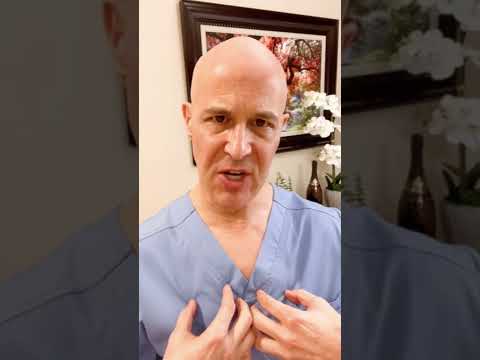
Heart attacks are often sudden, and knowing the signs can be a lifesaver. Imagine your heart as a powerful engine. When it runs smoothly, everything feels right. But sometimes, just like an engine, it can face trouble. Recognizing the warning signs is crucial.
Common symptoms include chest pain, shortness of breath, and discomfort in the arms. These sensations might feel like a heavy weight or a squeezing feeling. It’s important to remember that not everyone experiences these symptoms the same way; some people may have different signs altogether.
If you notice any of these indicators in yourself or someone else, act quickly. Don’t brush off these feelings; instead, seek help immediately. Calling emergency services can make all the difference.
Warning: While this information aims to raise awareness about heart attack signs, it’s equally essential to educate yourself further through trusted sources and specialists. Health advice should always come from reliable medical professionals and verified media outlets. Stay informed to empower yourself and those around you in times of need!
The information provided in this article is intended solely for general informational and educational purposes. It does not constitute medical advice, diagnosis or professional treatment, and should not be considered a substitute for consultation with a qualified doctor or other licensed healthcare professional. Any health-related decisions should be made in consultation with accredited medical professionals.
While efforts have been made to ensure the information is accurate and up to date, no guarantees are given—either express or implied—regarding its accuracy, completeness, currency or suitability. Use of this information is at your own discretion.
It is strongly recommended to consult official sources such as the NHS (National Health Service) or other recognised medical institutions before acting on any information contained on this website or article. Under no circumstances should professional medical advice be ignored or delayed due to content read here.
This content is of a general and informational nature only. It is not intended to replace individualised guidance from a healthcare professional or to establish any doctor-patient relationship. The publication of this information does not imply any professional responsibility, guarantee or obligation on the part of the author or this site.
Recognizing the Warning Signs and Taking Quick Action
Recognizing the warning signs of a heart attack can be lifesaving. It’s crucial to identify these symptoms early and take quick action. Let’s break it down.
A heart attack occurs when blood flow to part of the heart is blocked. This can lead to damage or death of heart muscle tissue. Knowing the signs can help you respond effectively.
Pain or Discomfort: Many people feel chest pain or discomfort. It might feel like pressure, squeezing, fullness, or pain. Some say it feels like a heavy weight on their chest.
Pain in Other Areas: Sometimes, pain isn’t just in the chest. You may also experience discomfort in your arms, back, neck, jaw, or stomach. Think of these areas as being connected to your heart.
Shortness of Breath: This may happen with or without chest discomfort. You might feel winded just doing simple activities like walking up stairs.
Nausea or Lightheadedness: Some individuals describe feeling nauseous or dizzy during a heart attack. It might seem as if they’re about to faint.
Cold Sweat: A sudden cold sweat can also be a warning sign. It’s different from just feeling warm; it can feel clammy and unsettling.
If you notice these warning signs in yourself or someone else, it’s important not to ignore them. Act quickly.
Time is essential when dealing with a potential heart attack. The sooner you act, the better the chances for recovery.
It’s also vital to remember that everyone might experience different symptoms. Some women may have subtler signs than men do, so awareness is key.
Staying informed empowers you and helps you take control of your health decisions wisely. Understanding these warning signs could make all the difference in an emergency situation.Your life and the lives of others depend on quick action!
Essential Steps to Take for Your Health and Recovery
Recognizing the signs of a heart attack is crucial for health and recovery. It’s not just about being aware; it’s about acting quickly. A heart attack can happen suddenly and knowing what to look for can save a life.
Common symptoms include:
If you or someone you know experiences these symptoms, don’t hesitate. Call emergency services right away. Timing is critical.
While waiting for help, it’s important to stay calm. If the person is conscious and able to chew, they may take an aspirin unless they are allergic. This can help thin the blood and improve blood flow.
It’s also good to be familiar with CPR. In some cases, this might be necessary if the person becomes unresponsive and stops breathing.
After a heart attack occurs, recovery begins immediately with medical treatment. This might involve medications or procedures like angioplasty—to restore blood flow.
As part of recovery, lifestyle changes play a significant role. Eating healthier, exercising regularly, quitting smoking, and managing stress are all vital steps.
It’s worth noting that not everyone experiences classic symptoms like chest pain. Women may have subtler signs such as fatigue or indigestion. Always trust your instincts—if something feels off, seek help.
Education on heart health can’t be overstated. Regular check-ups with healthcare providers help monitor risk factors like cholesterol levels and blood pressure.
Finally, support systems matter. Engaging family and friends can aid in both motivation and accountability during recovery efforts.
Being informed empowers you to make better choices regarding your health. Recognizing symptoms early is only part of the equation—taking action decisively leads to better outcomes in emergencies like heart attacks.
Essential Actions to Take When Every Second Counts
Recognizing the signs of a heart attack can be lifesaving. Every second truly counts when it comes to heart health. Knowing what to do when symptoms arise is vital.
A heart attack often begins with subtle symptoms. Pain or discomfort in the chest is common, but it’s not always the only sign.
Other signs include:
These symptoms can vary between men and women. Women may experience less obvious signs like fatigue or indigestion more often.
If you suspect someone is having a heart attack, act quickly. Call emergency services immediately. Time is crucial for the best outcomes.
While waiting for help, keep the person calm. Sit them down and have them rest. Do not let them exert themselves, as that can worsen their situation.
If they are conscious and not allergic to aspirin, you can give them one. Aspirin helps thin the blood and may improve blood flow.
Monitor their condition closely. If they lose consciousness or stop breathing, start CPR if you are trained to do so. Push hard and fast in the center of their chest until help arrives.
Clearing up some myths:
A heart attack does not always come with intense pain. Many people dismiss mild symptoms thinking they aren’t serious.
Also, don’t wait for all symptoms to appear before acting. It’s better to be safe than sorry during emergencies.
Educating yourself and others about these warning signs can make a significant difference in outcome during a medical crisis. Always take any potential heart attack seriously; it could save a life!
Recognizing the signs of a heart attack is crucial for timely intervention and can save lives. A heart attack, or myocardial infarction, occurs when blood flow to the heart is blocked. This blockage can cause damage to the heart muscle if not addressed quickly.
Common signs include:
It’s important to remember that symptoms can vary between individuals. For instance, women may experience different warning signs than men.
If you suspect someone is having a heart attack:
Understanding these signs and actions aids in prompt care. Heart attacks don’t always follow a textbook presentation; being aware and prepared can be the difference between life and death. Encouraging open discussions about heart health within families and communities fosters better awareness and faster responses when it matters most.

