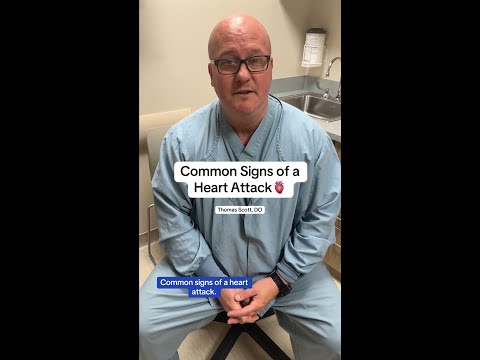
Heart health is something many of us think about, but how much do we really know about heart attacks? Recognizing the signs of a heart attack can save a life, perhaps even your own. Understanding what causes these events and how we can prevent them empowers us to take charge of our well-being.
Imagine your heart as a busy city with roads carrying blood like cars traveling every day. Sometimes, those roads can get blocked. This blockage can lead to serious trouble, like a traffic jam that stops everything in its tracks. By recognizing the signs and knowing the causes, we can help keep those roads clear.
Now, let’s take a moment to stress something important: always stay informed. While this guide provides essential information, it’s crucial to seek advice from healthcare professionals and trusted sources. Relying solely on one perspective can be misleading, so explore various specialists and credible media outlets for guidance on heart health.
Every heartbeat counts—let’s ensure yours keeps going strong!
The information provided in this article is intended solely for general informational and educational purposes. It does not constitute medical advice, diagnosis or professional treatment, and should not be considered a substitute for consultation with a qualified doctor or other licensed healthcare professional. Any health-related decisions should be made in consultation with accredited medical professionals.
While efforts have been made to ensure the information is accurate and up to date, no guarantees are given—either express or implied—regarding its accuracy, completeness, currency or suitability. Use of this information is at your own discretion.
It is strongly recommended to consult official sources such as the NHS (National Health Service) or other recognised medical institutions before acting on any information contained on this website or article. Under no circumstances should professional medical advice be ignored or delayed due to content read here.
This content is of a general and informational nature only. It is not intended to replace individualised guidance from a healthcare professional or to establish any doctor-patient relationship. The publication of this information does not imply any professional responsibility, guarantee or obligation on the part of the author or this site.
Recognizing Warning Signs and Taking Steps to Protect Your Heart
Recognizing the warning signs of a heart attack can be life-saving. It’s important to understand what those signs are and how to take action.
Heart attacks can happen suddenly, but there are often warning signals. Common symptoms include:
Not everyone experiences the same symptoms. Women may have different signs that are less obvious.
Understanding the causes behind heart attacks helps us take preventive steps. Risk factors include:
Preventing a heart attack involves making healthy choices. Here’s how you can protect your heart:
It’s also essential to keep regular check-ups with health professionals. They can monitor your heart health and discuss any concerns.
Being aware of family history is also crucial. If parents or siblings have had heart disease, it may increase your risk too.
Remember that knowledge is power! Stay informed about your health so you can make better decisions. Trust yourself to recognize red flags regarding an unhealthy lifestyle.
In conclusion, understanding the warning signs of a heart attack along with actionable prevention strategies empowers you to take charge of your heart health. Make small changes today for a healthier tomorrow!
Simple habits to safeguard your heart and enhance your well-being
Taking care of your heart is essential for overall well-being. Simple habits can help safeguard it against disease. Let’s explore some easy ways you can nurture your heart.
First, stay active. Regular exercise strengthens your heart muscle. Aim for about 150 minutes of moderate activity each week, like brisk walking or swimming. Think of it as tuning up a car; regular maintenance keeps things running smoothly.
Next, watch your diet. Focus on whole foods like fruits, veggies, whole grains, and lean proteins. Cut back on processed foods high in sugar and unhealthy fats. Imagine your body as a garden; nourishing it with good food helps it bloom.
Maintain a healthy weight. Being overweight can strain your heart and lead to serious health issues. It’s like carrying extra baggage; the more you have to haul around, the harder it becomes to move freely.
Don’t forget about stress management. Chronic stress can affect your heart negatively. Try practices like deep breathing, yoga, or meditation to find calm in daily life. Think of stress as clouds blocking the sun; clear them away to let the light shine through.
Limit alcohol intake. Drinking too much can raise blood pressure and harm the heart over time. Moderation is key here; it’s like enjoying dessert—savoring a little is nice, but too much isn’t healthy.
Prioritize quality sleep. Aim for 7-9 hours each night. Sleep helps repair and rejuvenate your body and mind. It’s similar to recharging a battery; without enough rest, you won’t function at full capacity.
Also, keep an eye on blood pressure and cholesterol levels. Regular check-ups can help catch any issues early. They are like routine check-ins on a project; knowing where you stand allows you to make timely adjustments.
Lastly, don’t smoke or use tobacco products. These substances damage blood vessels and increase risk of heart disease significantly. Quitting is like removing weeds from a garden—they choke growth and health.
In summary:
By embracing these habits, you’re investing in a healthier future for your heart and overall well-being. Always talk to healthcare providers about any changes or concerns regarding your health!
Uncovering the Hidden Triggers and Simple Steps to Protect Your Heart
Heart health is crucial, yet many of us overlook the signs that something might be wrong. Understanding heart attacks can help us make informed choices about our health.
A heart attack occurs when blood flow to the heart is blocked. This can lead to serious damage if not addressed quickly. Common symptoms include:
Everyone may experience these symptoms differently. Women, for instance, often have less typical signs like fatigue or indigestion.
The causes of heart attacks are often linked to modifiable risk factors. These include:
Understanding these triggers allows you to take simple steps towards a healthier heart.
Start with your diet. Focus on whole foods like fruits, vegetables, and whole grains. Think of your plate as a garden—vibrant colors indicate a variety of nutrients.
Regular exercise is also vital. Aim for at least 150 minutes of moderate activity each week. Consider brisk walking—or even dancing—as enjoyable ways to move your body.
Avoiding tobacco is another key step. Smoking damages blood vessels and increases blood pressure—both major risk factors for heart issues.
Managing stress plays an essential role too. Incorporate relaxation techniques into your daily routine—think mindfulness or deep-breathing exercises that calm the mind.
It’s important to monitor your health regularly. Keep track of blood pressure and cholesterol levels with the help of healthcare providers.
Awareness is power in preventing heart attacks. Educate yourself about family history as genetics can play a significant role in risk factors too.
Lastly, debunking myths around heart attacks will greatly benefit you. Many believe only older adults are at risk—which isn’t true; younger individuals can also experience them based on lifestyle choices and genetic predisposition.
By recognizing the hidden triggers and implementing these simple steps, you’re taking action toward protecting that vital organ—the heart! Always remember: being informed empowers you to make responsible health decisions for yourself and your loved ones.
Understanding heart attacks is crucial for everyone, as they can occur suddenly and require immediate action. Recognizing the signs is the first step toward saving a life. Common symptoms include chest pain, shortness of breath, and discomfort in other areas like the arms or jaw. It’s important to remember that not everyone experiences these symptoms in the same way.
The causes of heart attacks often stem from a combination of lifestyle choices and genetic factors. High blood pressure, high cholesterol, smoking, obesity, and lack of physical activity can all contribute to heart disease. By making healthier choices such as staying active and eating a balanced diet, we can significantly reduce our risk.
Prevention strategies are equally vital. Regular check-ups with healthcare providers can help identify risk factors early on. Additionally, managing stress through mindfulness or other techniques plays a key role in maintaining heart health.
In summary, being aware of the signs of a heart attack and understanding its causes empower us to take preventive measures. Let’s prioritize our heart health by making informed decisions today for a healthier tomorrow.