The information provided in this article is intended solely for general informational and educational purposes. It does not constitute medical advice, diagnosis or professional treatment, and should not be considered a substitute for consultation with a qualified doctor or other licensed healthcare professional. Any health-related decisions should be made in consultation with accredited medical professionals.
While efforts have been made to ensure the information is accurate and up to date, no guarantees are given—either express or implied—regarding its accuracy, completeness, currency or suitability. Use of this information is at your own discretion.
It is strongly recommended to consult official sources such as the NHS (National Health Service) or other recognised medical institutions before acting on any information contained on this website or article. Under no circumstances should professional medical advice be ignored or delayed due to content read here.
This content is of a general and informational nature only. It is not intended to replace individualised guidance from a healthcare professional or to establish any doctor-patient relationship. The publication of this information does not imply any professional responsibility, guarantee or obligation on the part of the author or this site.
Have you ever wondered if something as simple as your daily habits could be affecting your chances of becoming a dad? It’s surprising, but many guys aren’t aware how their lifestyle plays a role in their fertility. There are so many myths swirling around out there, and they can really mess with our understanding of what it takes to conceive.
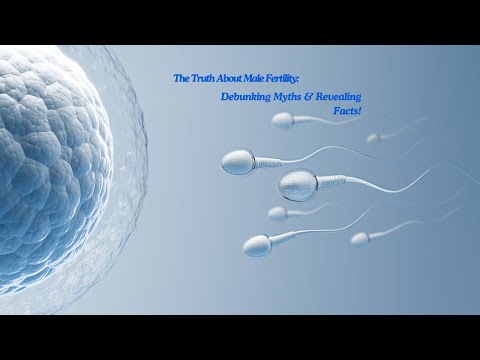
This article tackles 12 common misconceptions about male fertility. It’s not just about what you might think is true; it’s about getting down to the heart of the matter. For instance, does wearing tight underwear actually impact sperm health? Or can stress truly lower sperm count? You’ll find answers that might surprise you.
Understanding these myths matters because clarity can empower you to make informed choices. No one wants to feel overwhelmed or misled when it comes to health decisions! But remember, while this info is helpful, it doesn’t replace medical advice. Always chat with a healthcare professional before making any big changes in your life.
Uncovering the Truth Behind Common Misconceptions
Understanding Male Fertility Myths
When it comes to male fertility, there are a lot of myths floating around. Sometimes these misconceptions can have real impacts on people’s lives and decisions. Let’s take a closer look at some of the common ones.
Myth 1: Infertility is always a woman’s problem
People often think that if a couple struggles to conceive, it must be the woman’s fault. However, male factor infertility accounts for approximately 30-40% of all infertility cases. So, it’s important to consider both partners in this journey.
Myth 2: Age doesn’t affect male fertility
While women face a well-known biological clock, many believe men can father children at any age. Thing is, male fertility does decline with age too. Sperm quality can decrease as men get older, affecting their chances of conception.
Myth 3: Hot baths are harmful for sperm
This one is kind of true but also misleading. High temperatures can impact sperm production. Regular hot baths or saunas might not cause immediate harm but it could affect long-term fertility if done frequently.
Myth 4: You only need one healthy sperm
Sure, conceiving can happen with just one sperm fertilizing an egg, but not all sperm are created equal! A healthy count and motility (the ability to swim) are crucial for successful conception.
Myth 5: Alcohol has no effect on fertility
This is another tricky area. Moderate drinking might not have much impact for some, but heavy drinking can lower testosterone levels and reduce sperm count and motility. Balance is key.
Myth 6: Supplements guarantee improved fertility
A lot of guys think that taking supplements will automatically boost their fertility. Look, while certain vitamins like zinc or vitamin C play roles in reproductive health, they aren’t magic pills either!
Myth 7: Weight doesn’t matter for men
You know how weight affects women’s health? It’s the same for guys too! Being overweight can lead to hormonal imbalances that negatively affect sperm production and overall reproductive health.
Myth 8: Stress doesn’t impact fertility
This one’s definitely a big misconception! Chronic stress can interfere with hormone levels in both men and women. Managing stress through relaxation techniques may help improve your odds of conceiving.
Myth 9: You don’t need an exam if things seem normal
If everything feels fine physically, it doesn’t mean there aren’t underlying issues with fertility that could be missed without proper testing. A check-up never hurts—knowledge is power here!
Myth 10: Vasectomy is reversible anytime
This myth creates confusion because while vasectomies can sometimes be reversed via surgery called vasovasostomy, it’s not guaranteed that normal function will return afterwards – success rates vary widely.
Myth 11: Using lubricants harms sperm
Certain lubricants do indeed harm sperm motility due to their chemical composition; however some options specifically designed for couples trying to conceive do exist! Always read those labels carefully!
Myth 12: Only younger men produce healthy sperm
You might hear this a lot because younger men typically have higher testosterone levels leading to better quality sperm—but remember older men can still produce healthy viable sperm too!
The key takeaway here is knowledge! Myth-busting around male fertility helps break down stigmas and helps everyone be more open about seeking help when necessary.
Unraveling the Truth Behind Common Misconceptions
There’s a lot of misinformation out there about male fertility, and it can be pretty confusing. You might have heard some things that sound true but just aren’t backed by science. Let’s clear up some common myths.
Myth 1: Male Fertility Declines with Age
Many believe that a man’s ability to father children drastically decreases as he ages. While age can impact sperm quality, it’s not as black and white as it is for women. Think of it like fine wine; it may improve in quality with age, but not for everyone.
Myth 2: Only Older Men Have Fertility Issues
This is a tricky one. While older men can face certain challenges, younger guys also experience infertility issues—sometimes due to health conditions or lifestyle choices like smoking or excessive drinking.
Myth 3: Tight Underwear Affects Sperm Production
You may have heard that wearing tight underwear lowers sperm count because they keep everything warm. The truth? It matters more about heat exposure from things like hot baths or laptops resting on laps than the underwear itself.
Myth 4: Sperm Quality is Only About Count
Semen analysis looks at several factors, like motility (how well sperm swim) and morphology (the shape of sperm). Just having a high count doesn’t guarantee fertility—it’s kind of like having a basketball team full of players who can’t shoot.
Myth 5: All Couples Struggling with Infertility Need IVF
This could not be further from the truth! IVF is one option among many for couples facing infertility. Sometimes lifestyle changes or medication are all that’s needed to help improve chances.
Myth 6: Men Can’t Do Anything About Their Fertility
You might think there’s nothing men can do to improve their chances, but that’s not correct! Healthy habits—like diet and exercise—can positively influence sperm health and overall fertility.
Myth 7: Frequent Ejaculation Lowers Sperm Count
This is misleading. In fact, regular ejaculation can actually help maintain sperm production levels! It’s kind of like exercise; using your muscles regularly keeps them in shape.
Myth 8: Environmental Factors Don’t Matter
Chemicals in the environment may affect male reproductive health more than you think. Exposure to pesticides and heavy metals could potentially harm sperm production over time.
Myth 9: Stress Has No Impact on Fertility
You might feel stress doesn’t play a huge role here—but studies suggest otherwise! Chronic stress can disrupt hormonal balance which is essential for healthy sperm production. So yes, mental well-being does matter!
Myth 10: Nutrition Isn’t Important for Sperm Health
Your diet plays an important role in overall health and fertility too! Foods rich in antioxidants—like fruits and vegetables—can support healthier sperm production; they act sort of like shields against damage!
The Bottom Line
If you’re facing fertility challenges, remember these myths when talking with partners or healthcare providers. Knowledge is power here—they’re just stepping stones toward understanding your situation better!
Unveiling Truths Behind Common Misconceptions
Understanding Male Fertility: Common Misconceptions
There’s a lot of confusion surrounding male fertility, right? Many myths persist that can lead to misunderstanding. Let’s clear some of these up.
Myth 1: Only Women Are Fertile
Many people think that fertility is solely a woman’s issue. But the truth is, men play a vital role too. Sperm quality and quantity are critical factors in conception.
Myth 2: Age Doesn’t Matter for Men
You might hear that guys can father kids at any age. However, while men can remain fertile longer than women, age still affects sperm quality. Older men may have lower sperm counts or more DNA damage in their sperm.
Myth 3: Tight Underwear Reduces Fertility
This one gets tossed around a lot! The theory is that tight undies can overheat the testicles, affecting sperm production. However, research on this isn’t conclusive yet. It makes sense to wear comfortable underwear though!
Myth 4: Stress Affects Only Women
You know stress impacts everyone differently, right? High stress levels can influence male hormone levels and negatively affect sperm quality. So it’s important for both partners to manage stress during family planning.
Myth 5: All Men Are Always Fertile
This myth doesn’t hold up either! Just because someone is male doesn’t mean they are automatically fertile. Various factors like lifestyle, health conditions and even genetic predispositions come into play.
Myth 6: Masturbation Decreases Sperm Count
This idea circulates often but doesn’t have strong evidence to support it. Moderate masturbation doesn’t seem to harm fertility; in fact, it might help maintain healthy sperm production by clearing out older sperm.
Myth 7: You Can Catch Infertility Like a Disease
You can’t “catch” infertility, as it’s not contagious! Infertility tends to be related to individual health conditions or lifestyle choices rather than something one person gives another.
Myth 8: Healthier Men Have Perfect Sperm
A common belief is that if you’re fit and healthy, you’ll definitely have great sperm quality. While good overall health helps, there are many underlying issues that could still affect fertility even in seemingly healthy men.
Myth 9: You Can’t Get Pregnant If There’s No Ejaculation
This one’s tricky because pre-ejaculate fluid (pre-cum) can contain sperm! So yes, pregnancy is possible even without full ejaculation during intercourse.
Myth 10: All Supplements Boost Male Fertility
The market’s full of supplements claiming to enhance male fertility—but not all of them live up to their promises. Some vitamins alone won’t fix underlying problems if present; diet matters as well!
The Bottom Line
Status of male fertility involves various factors; individual situations vary so much from person to person! When in doubt about conception or reproductive health issues it’s best exploring comprehensive evaluations with healthcare professionals together with partners.
- Misinformation offeers false assurances or unnecessary anxiety regarding reproductive capabilities—knowledge is power!
- If you’ve concerns about your own situation consider reaching out rather than relying on myths swirling around the internet—it helps keeping things real!
- No question too small or silly when it comes understanding your body—it’s what keeps us healthy overall!
Male fertility is a topic that’s often shrouded in misconceptions. It’s essential to clarify these myths, so people understand the realities surrounding male reproductive health.
One prevailing myth is that infertility only affects women. In fact, male factors contribute to nearly 40-50% of infertility cases. It’s crucial for both partners to undergo assessment when facing difficulty conceiving.
Another common belief is that age doesn’t impact male fertility as it does with women. While men can remain fertile longer than women, sperm quality does decline as men get older, affecting their chances of fathering a child.
People also assume that lifestyle has no bearing on sperm health. Poor diet, obesity, smoking, and alcohol consumption can all negatively influence sperm count and quality.
Some think that wearing tight underwear or doing frequent hot baths won’t affect fertility. But higher temperatures can impair sperm production, so opting for looser clothing and cooler showers might be wise.
A misconception exists around the idea that male infertility doesn’t require medical attention—like seeing a doctor isn’t necessary. Early intervention can help identify issues like hormonal imbalances or treatable conditions.
Also, the belief that once you have one child you can’t be infertile is misleading; changing health circumstances can affect fertility at any life stage.
The idea that supplements will guarantee improved fertility isn’t backed by strong evidence either; focusing on overall health should be the priority instead of relying solely on pills.
Many think all problems with fertility are irreversible when that’s not always the case—many treatments exist today that can substantially improve chances of conception.
Misinformation specifically relating to ‘male impotence’ often overlaps with discussions about infertility. They’re not synonymous; one doesn’t automatically lead to the other.
You might hear claims about certain foods or herbs being magic solutions for boosting sperm count—these need to be approached with caution and require more scientific validation before being accepted as fact.
Simplifying the complexities of male fertility can mislead couples who are trying to conceive. Understanding these myths helps people make informed decisions regarding family planning and seeking appropriate support when needed.