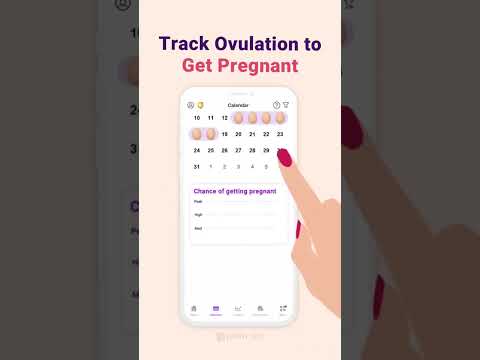
Unlocking your fertility can feel like deciphering a mysterious code. Many couples dream of starting a family, but knowing when to try for a baby can significantly influence success. Understanding your body’s rhythms and the best days to conceive opens the door to that dream becoming a reality.
At its core, fertility is about timing. Women have a specific window each month when they are most likely to conceive—this is often referred to as the “fertile window.” It typically spans five days leading up to and including ovulation. By learning how to track this cycle, couples can increase their chances of conception.
However, it’s important to approach this journey with care. While tools and apps can provide guidance, they don’t replace professional advice. Be proactive: consult healthcare providers who specialize in reproductive health and explore reliable resources from trusted organizations. Fertility can be influenced by numerous factors, including age, underlying health conditions, and lifestyle choices.
Remember that every individual’s journey is unique. Stay curious but informed as you navigate this beautiful path toward parenthood!
The information provided in this article is intended solely for general informational and educational purposes. It does not constitute medical advice, diagnosis or professional treatment, and should not be considered a substitute for consultation with a qualified doctor or other licensed healthcare professional. Any health-related decisions should be made in consultation with accredited medical professionals.
While efforts have been made to ensure the information is accurate and up to date, no guarantees are given—either express or implied—regarding its accuracy, completeness, currency or suitability. Use of this information is at your own discretion.
It is strongly recommended to consult official sources such as the NHS (National Health Service) or other recognised medical institutions before acting on any information contained on this website or article. Under no circumstances should professional medical advice be ignored or delayed due to content read here.
This content is of a general and informational nature only. It is not intended to replace individualised guidance from a healthcare professional or to establish any doctor-patient relationship. The publication of this information does not imply any professional responsibility, guarantee or obligation on the part of the author or this site.
Unlock the Secrets to Your Most Productive Baby-Making Days
Understanding your fertile days can be a game changer when trying to conceive. It’s like knowing when to plant seeds for a garden. You want to time it just right.
Women have a monthly cycle that typically lasts about 28 days, but it can vary. Ovulation usually occurs around the midpoint of this cycle. This is when an egg is released from the ovaries.
Knowing your cycle can help identify your most productive days. The days leading up to and including ovulation are considered the best times for baby-making. Sperm can live inside the female body for up to five days, while an egg is viable for about 24 hours after ovulation.
Here are some tips:
Stress can impact fertility too. So, try to keep things calm and relaxed during this time. It’s not just about timing; it’s also about creating a positive environment.
Remember, every woman is unique. What works for one might not work for another. If you’re unsure or face challenges, consider discussing with someone who can provide personalized guidance.
It’s crucial not to get too caught up in tracking everything perfectly. Sometimes, letting go of pressure can lead to better results.
Educate yourself on fertility but also remember that conception often takes time—sometimes longer than expected. Patience is key in this journey.
Embrace the process together with your partner and stay supportive of each other’s feelings along the way! This journey isn’t just biological; it’s emotional too.
Unlocking Your Fertility: Discover the Optimal Moments for Conception
Understanding fertility can feel overwhelming, but it doesn’t have to be. One key aspect of conception is timing. Knowing when you’re most fertile can improve your chances of getting pregnant.
Women typically have one ovulation cycle each month. This is when an egg is released from the ovaries and makes its way down the fallopian tube. The window for conception is usually around six days long.
Ovulation usually occurs about 14 days before the start of your next period. Tracking your menstrual cycle can help pinpoint this time. There are various methods to do this, including calendar tracking, basal body temperature monitoring, and observing changes in cervical mucus.
The most fertile days are typically a few days before and the day of ovulation. Sperm can live inside a woman’s body for up to five days, so having intercourse in these few days increases the chances of sperm meeting the egg.
Stress and health conditions like polycystic ovary syndrome (PCOS) can affect fertility too. Maintaining a healthy lifestyle through good nutrition and regular exercise may also support reproductive health.
It’s also important to recognize that not everyone conceives right away. It can take time, so patience is key. If you’ve been trying for over a year without success (or six months if you’re over 35), consider seeking guidance from a healthcare professional.
Misconceptions are common when it comes to fertility too. For example, some believe that certain positions during intercourse or specific foods will guarantee pregnancy – this isn’t supported by evidence.
In summary, understanding your cycle and recognizing your fertile window plays an essential role in conception efforts. Keep track of your cycles, embrace a healthy lifestyle, and stay informed as you navigate this journey towards parenthood.
The Optimal Timing for Boosting Your Chances of Pregnancy
Understanding the best times to try for a baby can be an exciting journey. Let’s break down how timing can boost your chances of pregnancy.
The menstrual cycle plays a major role in fertility. Typically, this cycle lasts about 28 days, but it can vary from person to person. Knowing when you ovulate is key. Ovulation is when an egg is released from the ovary and is ready to be fertilized.
Most women ovulate around 14 days before their next period starts. This means if your cycle is 28 days long, day 14 is a good estimate for ovulation. However, not everyone has the same cycle length.
To pinpoint ovulation more accurately, consider these methods:
The fertile window generally spans about six days—the five days leading up to ovulation and the day of ovulation itself. This means having sex during this time increases the chance of sperm meeting the egg.
It’s also important to consider that sperm can live inside a woman’s body for up to five days. This means even if you have sex a few days before you ovulate, there’s still potential for conception.
Stress and lifestyle factors can influence fertility as well. Maintaining a balanced diet, regular exercise, and managing stress levels contribute positively towards reproductive health.
Remember that every individual’s experience with fertility varies widely. It might take time or require different approaches. If you’re trying unsuccessfully for an extended period, consider seeking guidance on optimizing your fertility journey responsibly.
In conclusion, understanding your menstrual cycle and recognizing your fertile window can greatly assist in boosting your chances of conception. Knowledge is power when it comes to family planning!
Understanding fertility can feel like navigating a complex maze, but getting to know your cycle can help you find the best path. The concept of “best days to conceive” revolves around timing and awareness of your menstrual cycle.
Each month, a woman’s body prepares for potential pregnancy. This involves the release of an egg during ovulation, which usually occurs around 14 days before the start of her next period. Understanding this timing is crucial because sperm can live in the female reproductive tract for up to five days. Therefore, knowing when ovulation occurs can significantly increase your chances of conception.
Here are key steps to consider:
Myths often surround fertility; some believe certain positions or foods can increase conception rates dramatically. While maintaining a healthy lifestyle is beneficial overall, there’s no magic trick that guarantees success.
It’s also important to remember that conceiving may take time. Many couples take several months or longer before achieving pregnancy. If you have concerns about fertility or find it particularly difficult, consulting with healthcare providers can offer more personalized guidance.
In summary, unlocking your fertility primarily hinges on understanding and tracking your menstrual cycle. Empowering yourself with knowledge enables informed decisions on this significant journey towards conception.