When it comes to conception, many myths swirl around the timing of a woman’s menstrual cycle. One question that often arises is: “Can you conceive during your period?” It’s intriguing and partly confusing, as periods are typically seen as a time when the chances of pregnancy are low. But let’s dive into the truth behind this.
Menstrual cycles vary widely among individuals, and so does fertility. Understanding your body’s rhythm can be empowering. With that said, both sperm and ovulation play a crucial role here. Sperm can live inside the female reproductive tract for several days, while ovulation typically occurs about two weeks after the start of a period. This creates a window where things can get complicated.
The possibility of conceiving during your period isn’t impossible but is generally low. However, if you have shorter cycles or longer-lasting periods, there’s a chance that sperm from intercourse during your period could overlap with ovulation.
While this information can be helpful, it’s important to remember that everyone’s situation is unique. Always seek guidance from healthcare professionals who can offer personalized advice tailored to your circumstances.
Before making any decisions or forming opinions about conception and menstruation, inform yourself through different specialists and reliable media sources. Understanding the nuances will help you make informed choices about your reproductive health without unnecessary stress or misconceptions.
The information provided in this article is intended solely for general informational and educational purposes. It does not constitute medical advice, diagnosis or professional treatment, and should not be considered a substitute for consultation with a qualified doctor or other licensed healthcare professional. Any health-related decisions should be made in consultation with accredited medical professionals.
While efforts have been made to ensure the information is accurate and up to date, no guarantees are given—either express or implied—regarding its accuracy, completeness, currency or suitability. Use of this information is at your own discretion.
It is strongly recommended to consult official sources such as the NHS (National Health Service) or other recognised medical institutions before acting on any information contained on this website or article. Under no circumstances should professional medical advice be ignored or delayed due to content read here.
This content is of a general and informational nature only. It is not intended to replace individualised guidance from a healthcare professional or to establish any doctor-patient relationship. The publication of this information does not imply any professional responsibility, guarantee or obligation on the part of the author or this site.
Unlocking the Myths: Understanding Conception During Your Menstrual Cycle
When it comes to understanding conception during your menstrual cycle, there are plenty of myths out there. One common belief is that you cannot get pregnant while on your period. Let’s explore this further.
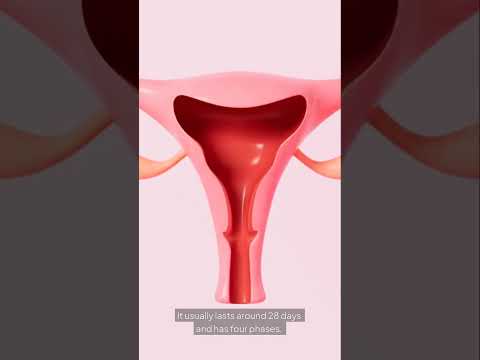
The menstrual cycle lasts about 28 days, but it can vary among individuals. This cycle includes several phases: menstruation, the follicular phase, ovulation, and the luteal phase. Each of these phases plays a role in fertility.
During menstruation, which is when you have your period, an egg has usually not been released yet. This phase generally occurs between days 1 to 5 of the cycle. However, sperm can live inside a female’s body for up to five days after intercourse.
Now, ovulation typically happens around midway through the cycle—about day 14 for a typical 28-day cycle. If you have sex towards the end of your period and then ovulate soon after, there’s a chance that sperm from intercourse could still be viable.
Here are some key points to consider:
It’s also important to remember that not every menstrual cycle is perfectly regular. Stress, health conditions, and lifestyle changes can all affect when you ovulate.
Many people believe that having sex during their period serves as a natural form of contraception. While the risk may be lower compared to other times in the cycle, it’s not zero.
If you’re trying to avoid pregnancy or plan for one, understanding your own cycle is crucial. Tracking your periods and noting any signs of ovulation can give you better insight into your fertility window.
Overall, while it’s less likely to conceive during your period than at other times in your cycle, it’s still possible under certain circumstances. Knowledge about how your body works empowers you to make informed choices regarding sexual health and family planning.
Always feel open discussing any concerns about fertility or contraception with a healthcare provider who understands individual situations better than general guidelines alone can offer.
Understanding the Signs: What Your Cycle Really Means for Pregnancy Risks
Understanding your menstrual cycle is key to knowing your pregnancy risks. Many people wonder about the chances of conceiving during their period. Let’s break this down simply.
Your menstrual cycle has different phases. It starts with menstruation, then moves to the follicular phase, ovulation, and finally, the luteal phase. Each stage influences fertility.
Menstruation typically lasts about 3 to 7 days. During this time, your body sheds the uterine lining if there’s no pregnancy. The chance of getting pregnant during this phase is low but not impossible.
Sperm can live inside a woman’s body for up to five days. If you have a shorter cycle (like 21 days), ovulation might occur soon after your period ends. This means that if you have unprotected sex towards the end of your period, there’s a small chance sperm could still be viable when you ovulate.
Here are some important points:
Myths abound regarding menstruation and fertility. One common belief is that it’s “impossible” to get pregnant while on your period. While rare, it can happen under certain circumstances.
Tracking your cycle can help manage pregnancy risks better. You may want to note when your periods start and end, along with any changes in symptoms or discharge throughout the month.
In conclusion, while the likelihood of conceiving during your period is low, it’s not zero. Understanding how your cycle works equips you with knowledge for more informed decisions about reproductive health.
If you’re considering managing pregnancy risks or planning a family, consulting with someone knowledgeable can provide personalized guidance tailored to your unique situation and needs.
Understanding the Surprising Truth Behind Your Cycle and Conception
Understanding your menstrual cycle can feel like decoding a mystery. One question that often crops up is whether you can conceive during your period. It’s a topic that deserves clarity.
First, let’s break down the menstrual cycle. Typically, this cycle lasts about 28 days but can range from 21 to 35 days in different individuals. Each phase plays a role in preparing the body for potential pregnancy.
During menstruation, which is when bleeding occurs, the chances of conception are generally low. However, it’s not impossible because of how sperm and ovulation work.
Sperm can live inside the female body for up to five days after ejaculation. So if you have sex toward the end of your period and then ovulate soon after—around day 14 in a typical cycle—you could theoretically become pregnant from those sperm.
Here are some key points to consider:
It’s important to note that not everyone has a textbook 28-day cycle. Stress, illness, or changes in routine can affect ovulation timing.
Some myths suggest you can’t get pregnant during menstruation at all. While this is often true, it’s crucial to remember that every body is unique.
Just because many people have lower fertility during their periods doesn’t mean it can’t happen!
If you’re trying to conceive or avoid pregnancy, understanding your body and cycle will help make more informed decisions. It may be useful to track your menstrual phases and any symptoms along the way.
In summary, while it’s less likely for most folks to conceive during their periods, it isn’t entirely out of the question. Being aware of how your body works empowers you to make choices aligned with your health goals. Always consider seeking personalized advice if you have concerns about fertility or contraception options.
Understanding fertility can sometimes feel like navigating a maze of myths and facts. One common question is, “Can you conceive during your period?” This is a topic that often sparks confusion, so let’s break it down.
Menstruation typically indicates that the uterus is shedding its lining because there was no pregnancy. Usually, ovulation occurs about two weeks after your period ends. This timing means that conceiving during your period might seem unlikely.
However, sperm can live inside the female reproductive tract for up to five days. This means if you have a shorter cycle and ovulate soon after your period, engaging in unprotected sex at this time could potentially lead to pregnancy.
Here are some key points to consider:
This topic highlights the importance of understanding your own cycle and being informed about reproductive health. Knowledge empowers individuals to make responsible choices regarding family planning and sexual health. Always consult with healthcare professionals if you have questions about fertility or menstrual health—everyone’s journey is unique, and personalized advice can provide clarity and support.