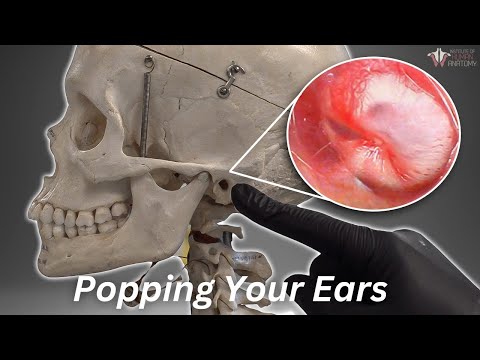
Have you ever experienced that peculiar sensation of your ears popping during a flight or while driving through the mountains? It’s a common occurrence, yet the science behind it can feel like a mystery. These pops might seem annoying, but they play an important role in equalizing pressure in your ears – just like adjusting the air in a balloon.
When we change altitude, the pressure outside our bodies alters, too. Our ears try to balance this out. But what causes that popping sound? Let’s dive into the surprising truth behind ear popping and discover how our body navigates these pressure changes.
However, it’s vital to remember that while this phenomenon is typically harmless, it can sometimes signal underlying issues. If you are experiencing frequent or painful ear pops, consult healthcare professionals who specialize in ear health. It’s always wise to seek information from multiple specialists and different media sources for a well-rounded understanding of your health. Knowledge is empowering – stay curious and informed!
The information provided in this article is intended solely for general informational and educational purposes. It does not constitute medical advice, diagnosis or professional treatment, and should not be considered a substitute for consultation with a qualified doctor or other licensed healthcare professional. Any health-related decisions should be made in consultation with accredited medical professionals.
While efforts have been made to ensure the information is accurate and up to date, no guarantees are given—either express or implied—regarding its accuracy, completeness, currency or suitability. Use of this information is at your own discretion.
It is strongly recommended to consult official sources such as the NHS (National Health Service) or other recognised medical institutions before acting on any information contained on this website or article. Under no circumstances should professional medical advice be ignored or delayed due to content read here.
This content is of a general and informational nature only. It is not intended to replace individualised guidance from a healthcare professional or to establish any doctor-patient relationship. The publication of this information does not imply any professional responsibility, guarantee or obligation on the part of the author or this site.
Unlocking the Hidden Messages Behind a Sudden Shift in Your Senses
Experiencing a sudden shift in your senses can be surprising and even a little concerning. One common issue people notice is ear popping. This can happen when there are changes in air pressure, like during takeoff or landing in an airplane.
When you swallow, yawn, or chew gum, you might feel your ears pop. This is your body’s way of equalizing pressure in the middle ear with the outside environment. It’s like opening a window to let fresh air into a stuffy room.
However, there are other reasons for sudden shifts in your senses beyond just changing air pressure. Sometimes, allergies can lead to fluid accumulation in the ears. This fluid buildup can affect how well you hear and may cause discomfort.
Another factor could be sinus infections or colds. When your sinuses are inflamed, they can cause pressure changes that lead to that familiar popping sensation. Think of it as a traffic jam; when everything is flowing smoothly, there’s no blockage.
If you’ve noticed persistent changes in your hearing or frequent popping that doesn’t go away, it’s important to pay attention to those signs. They could signal an underlying condition that may need further investigation.
It’s also worth noting that certain medications can affect your sensory perception as well. Always check with someone knowledgeable about how new prescriptions might influence how you feel.
In summary, ear popping is often normal and related to pressure changes but can also indicate other health issues:
Being aware of these factors helps you better understand what might be happening with your body. If you’re curious or worried about noticeable shifts in your senses, consider keeping track of when they happen and any related symptoms. This information is useful for discussions with knowledgeable sources who can help clarify what might be going on.
Exploring the Surprising Power of Sound and Perception
Sound is all around us, shaping our experiences and influencing how we feel. You might be surprised to learn that sound can even affect our physical state, like when your ears pop.
When you’re in a plane, for example, the pressure changes quickly as you ascend or descend. Your ears might feel uncomfortable or full. This happens due to the difference in air pressure inside your ear and outside it.
The body has a neat mechanism to handle this situation. The Eustachian tube connects your middle ear to the back of your throat. When you swallow or yawn, this tube opens momentarily. It allows air to flow in or out, equalizing the pressure.
This popping sensation is a sign that your body is working properly. But some people have trouble with their Eustachian tubes for various reasons, like allergies or infections.
Understanding sound goes beyond just hearing words or music. It can evoke emotions and memories and even change our perception of pain. Think of how a soothing melody can calm you down after a stressful day.
It’s fascinating how sound impacts more than just our hearing; it also shapes our emotions and responses.
Think about how different sounds have distinct effects on us—like the calming waves of an ocean versus the jarring honks of traffic.
Our brains continually interpret sounds using context and past experiences. This means two people can hear the same noise but react differently based on their personal histories.
In conclusion, sound isn’t just something we hear; it’s deeply connected to how we perceive and interact with the world around us. Understanding these connections helps us make more informed choices about our environments—like opting for softer music when winding down at night.
Exploring the Science Behind Ear Popping and Pressure Changes at High Altitudes
Have you ever experienced a sudden “pop” in your ears while flying or driving up a mountain? This is a common phenomenon that happens due to changes in air pressure.
When you ascend to higher altitudes, the air pressure around you decreases. But inside your ears, the pressure remains relatively unchanged for a moment. This difference creates discomfort and often leads to that popping sensation.
Our ears have a small pathway called the Eustachian tube. It connects the middle ear to the back of the throat. Its job is to equalize pressure on both sides of the eardrum. When you yawn, swallow, or chew gum, this tube opens up and allows air in, balancing the pressure.
If you’re climbing quickly or flying, it might take time for your Eustachian tubes to adjust. This can lead to feelings of fullness or even pain in some cases. The popping sound is just your body working hard to fix this imbalance.
Here are some common methods people use to relieve ear pressure:
It’s important not to forcefully pop your ears by blowing them out with excessive pressure. Doing so can harm your eardrums.
If you’re prone to ear issues or experience severe pain, it’s wise to seek advice from a healthcare professional. There could be underlying conditions affecting your Eustachian tubes.
Understanding how our bodies respond to altitude can help us make informed decisions during travel or outdoor adventures. Listening closely to our body’s signals keeps us safer and more comfortable while enjoying new experiences at high elevations!
Understanding why our ears pop can be both fascinating and helpful. If you’ve ever experienced this sensation while flying or diving, you know it can be uncomfortable. But it’s important to recognize that ear popping is a natural response of our bodies.
When there is a change in altitude, the air pressure outside your body changes quickly. Our ears have a small passageway called the Eustachian tube that connects the middle ear to the back of the throat. This tube helps equalize pressure on either side of the eardrum.
When you ascend or descend rapidly, such as during a flight, the pressure difference can make your ears feel full or blocked. The popping sensation occurs when the Eustachian tube opens up to equalize this pressure—think of it like having sealed jars where one side needs air to balance out with another.
Here are some key points to remember:
In many cases, being aware of how our bodies respond to changes in environment allows us to manage discomfort effectively. It’s always beneficial to listen and respond positively when our bodies communicate these sensations.