The information provided in this article is intended solely for general informational and educational purposes. It does not constitute medical advice, diagnosis or professional treatment, and should not be considered a substitute for consultation with a qualified doctor or other licensed healthcare professional. Any health-related decisions should be made in consultation with accredited medical professionals.
While efforts have been made to ensure the information is accurate and up to date, no guarantees are given—either express or implied—regarding its accuracy, completeness, currency or suitability. Use of this information is at your own discretion.
It is strongly recommended to consult official sources such as the NHS (National Health Service) or other recognised medical institutions before acting on any information contained on this website or article. Under no circumstances should professional medical advice be ignored or delayed due to content read here.
This content is of a general and informational nature only. It is not intended to replace individualised guidance from a healthcare professional or to establish any doctor-patient relationship. The publication of this information does not imply any professional responsibility, guarantee or obligation on the part of the author or this site.
Weight Fluctuations During Your Period: Key Causes Explained
Hey, have you ever noticed how your weight seems to jump around before or during your period? It can be super confusing and maybe even a little frustrating. You’re not alone in feeling that way! Many women experience similar shifts, and it’s totally normal.
The thing is, your body goes through a lot of changes throughout the menstrual cycle. Hormones play a huge role in this process. When those hormones fluctuate, they can impact not just your mood but also how much water you retain and even how hungry you feel. Sounds complicated, right? But don’t worry; this article is going to break it down for you.
We’ll explore the key reasons behind those ups-and-downs on the scale during that time of the month. Understanding these causes may help you feel more at ease with what’s happening in your body. Just remember: this content doesn’t replace medical advice. Always consult a healthcare professional for personalized guidance.
Understanding the Ups and Downs of Your Monthly Cycle
Understanding Weight Fluctuations During Your Period
Your monthly cycle can be a bit of a rollercoaster, right? Many people notice weight changes in the days leading up to their period and during it. This is totally normal, but let’s break down why it happens.
Hormonal Changes
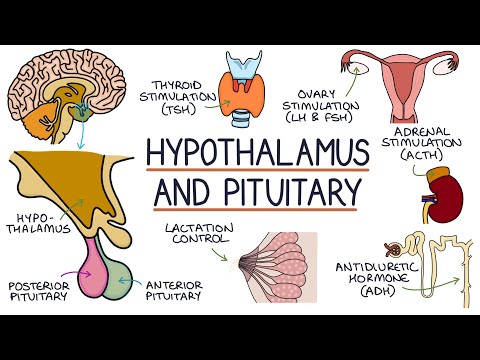
The key players here are hormones like estrogen and progesterone. As your cycle progresses, levels of these hormones fluctuate. Just before your period, progesterone rises, preparing the body in case pregnancy occurs. If not, these hormone levels drop.
Now, when progesterone peaks, it can lead to water retention. This means you may feel bloated and heavier than usual. So it’s not actual fat gain—just temporary water weight!
Cravings and Eating Habits
Eating more salty or sugary foods can also contribute to that bloated feeling due to water retention.
Exercise Patterns
The Role of Stress
Mood Swings Matter
Coping with Monthly Changes
- Stay Hydrated: Drinking enough water helps minimize bloating.
- Avoid Excess Salt: Cutting back on salt may reduce water retention.
- No Guilt Eating: Enjoy those cravings but try balancing them with healthier choices!
- Stay Active: Light exercise or walks might help ease discomfort and improve mood.
- Mood Awareness: Recognizing how emotions impact eating helps build healthier habits over time.
Understanding the Timing and Triggers of Hormonal Weight Changes
Understanding Hormonal Weight Changes During Your Period
Weight fluctuations are common during your menstrual cycle, and honestly, it can be a bit puzzling. The ups and downs in weight are often linked to hormonal changes that happen throughout the month.
What Hormones Are Involved?
The main players here are estrogen and progesterone. These hormones rise and fall with your cycle. For instance, estrogen typically peaks just before ovulation, while progesterone rises after ovulation.
During this time, you might experience bloating or increased water retention. This can add a few pounds to the scale, but it’s not actual fat gain—so no need to stress about it.
Water Retention Explained
You know how sometimes you feel puffy? That’s usually due to fluid buildup in your tissues. It’s like when you fill up a balloon with air; it expands! Similarly, your body retains more water during certain phases of your cycle.
This is particularly common in the luteal phase—the time after ovulation leading up to your period. So if you notice a jump on the scale then, it might just be that extra water weighing you down.
Cravings and Appetite Changes
Your cravings can change during this time too. Many people report feeling hungrier right before their period starts. This is partly due to hormonal shifts affecting how our brain signals hunger and fullness.
If you’re craving comfort foods or sweets, you’re not alone—it’s super common! Just remember these cravings can also contribute to small weight increases during this stage.
Physical Activity Matters
Your energy levels can vary throughout your cycle as well. Some days you might feel like running a marathon; other days, just getting off the couch could feel tough!
This difference in activity levels affects how many calories you burn each day too. Less activity means fewer calories burned, which might contribute to those temporary weight changes.
The Bigger Picture
If you’re worried about weight fluctuations tied to your period or hormones, try keeping a diary of what you eat and how you feel each day through the cycle. It’s an insightful way to identify patterns specific to your body!
Remember that these natural fluctuations aren’t something that should cause alarm—they’re just part of being human! Hormones do their thing, and so does our body; sometimes they’re not perfectly synced up.
A Word on Stress
If you’re stressed out about weight changes or anything else—this stress can further add layers of complexity! Stress impacts hormone production too, which can make fluctuations even more pronounced.
- Look for small ways to manage stress: Take walks, meditate or do yoga—whatever helps!
- You’ll likely find relief not only mentally but physically as well over time!
Coping with Fluctuations
The important takeaway? Weight changes related to your period are normal so take them in stride! Focus on maintaining overall health rather than stressing about numbers on the scale at any given moment.
- Nourish yourself with healthy foods.
- Pace yourself with exercise when possible—not every day will feel powerful!
- And lastly: Trust your body’s rhythms; they’re pretty amazing!
Understanding the Body’s Changes in the Days Leading Up to Your Cycle
As your menstrual cycle approaches, you might notice some changes in your body. It’s totally normal and can actually be quite interesting! These changes often happen because of hormonal fluctuations.
What’s Happening Hormone-Wise?
Two key hormones play major roles: estrogen and progesterone. Estrogen tends to rise in the first half of your cycle, while progesterone dominates in the second half. As ovulation occurs, these hormones can affect various bodily functions, including weight.
Weight Fluctuations: Why Do They Happen?
You know that feeling when your pants are a bit tighter? It’s not just you. Many people experience weight gain or fluctuations before their period. This is often due to water retention caused by hormonal changes.
- Water Retention: Higher progesterone levels can lead to bloating. Your body holds on to more water as a response.
- Cramps and Discomfort: Pain from cramps might make you feel less active, which can also contribute to temporary weight gain.
- Food Cravings: You might crave salty or sugary foods right before your period. Increased calorie intake affects weight too.
The Role of Mood Changes
Your mood can be pretty up-and-down due to hormonal shifts too. Stress or anxiety might make you reach for comfort foods, adding another layer to those weight changes.
A Real-Life Example
Imagine you’re training for a marathon. A few days before your period starts, you notice that despite your efforts, the scale doesn’t move much if at all—maybe it even goes up a little. Frustrating? Definitely! But remember that it’s common during this time!
The Silver Lining
The good news is these fluctuations are usually temporary. Once your period starts, many people begin to feel lighter as bloating decreases and hormones level out again.
Tuning Into Your Body
If you’re noticing significant changes or if they seem concerning over time, keeping track of them can help when discussing with someone knowledgeable about health issues later on.
The thing is, understanding what’s happening with your body helps demystify those pesky pre-cycle symptoms and may even help ease some stress about them! Remember that every person is different; what’s true for one may not be for another!
Weight Fluctuations During Your Period: Key Causes Explained
Hey, it’s pretty common to notice some changes in your weight around your period. Both hormonal shifts and fluid retention play big roles in this. Hormones like estrogen and progesterone go up and down, affecting how your body holds onto water.
So let’s talk about fluid retention. When those hormones fluctuate, they can cause your body to retain more water than usual. It’s like how a sponge absorbs water—your bodies can soak it up too! This might make you feel bloated or heavier on the scale.
Another factor is diet changes. Many people crave different foods during their cycle, especially sweets or salty snacks. Eating more of these can lead to temporary weight gain, but it’s usually just from extra calories or that retained fluid we mentioned.
Stress also plays a part. The hormonal changes can be stressful in themselves, leading to increased cortisol levels—another hormone that can affect weight by influencing appetite and metabolism.
It’s important to remember that these fluctuations are typically normal and nothing to worry about. If the changes seem extreme or persistent, though, talking with a healthcare provider could definitely help clear things up.
- The key takeaway? Weight changes around your period are usually temporary.
- Acknowledge the role hormones play in how you feel and what’s happening with your body.
- Being gentle with yourself during this time is important!
If you keep track of your cycle and any accompanying symptoms, you may better understand what’s happening with your weight throughout the month. It’s fascinating how interconnected everything is!