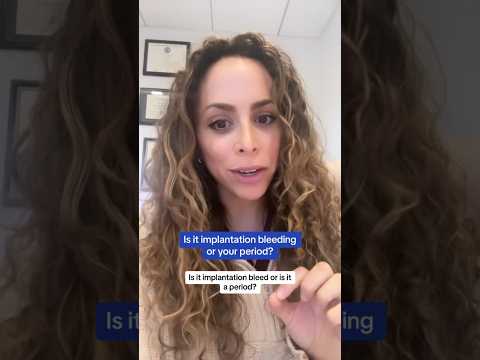
Spotting before your period can be a puzzling experience. You might notice light bleeding or pinkish discharge, and it can leave you wondering, “Is this normal?” In reality, spotting is a common occurrence for many individuals and can be caused by various factors.
To think of it simply, spotting is like a gentle wave lapping at the shore—sometimes it’s there, sometimes it’s not. Just as waves come from different sources—storms, tides, and currents—spotting can arise from hormonal fluctuations, stress, or even changes in birth control.
While these explanations are often benign, it’s important to remain informed. Remember that everyone’s body is unique. If you’re unsure about any unusual changes in your cycle or experience additional symptoms like pain or heavy bleeding, don’t hesitate to consult with healthcare professionals.
Warning: While spotting can be harmless for many people, it’s essential to be aware that not all causes are ordinary. If you have concerns about your symptoms, seek information from multiple specialists and credible media sources. This approach will help you understand your body better and make informed health decisions. Curiosity and awareness go a long way in maintaining your well-being!
The information provided in this article is intended solely for general informational and educational purposes. It does not constitute medical advice, diagnosis or professional treatment, and should not be considered a substitute for consultation with a qualified doctor or other licensed healthcare professional. Any health-related decisions should be made in consultation with accredited medical professionals.
While efforts have been made to ensure the information is accurate and up to date, no guarantees are given—either express or implied—regarding its accuracy, completeness, currency or suitability. Use of this information is at your own discretion.
It is strongly recommended to consult official sources such as the NHS (National Health Service) or other recognised medical institutions before acting on any information contained on this website or article. Under no circumstances should professional medical advice be ignored or delayed due to content read here.
This content is of a general and informational nature only. It is not intended to replace individualised guidance from a healthcare professional or to establish any doctor-patient relationship. The publication of this information does not imply any professional responsibility, guarantee or obligation on the part of the author or this site.
Understanding the Reasons Behind Unusual Bleeding Before Your Cycle
Unusual bleeding before your menstrual cycle, often called spotting, can be puzzling. Many people wonder if it’s normal or if something might be wrong. Let’s explore some common reasons behind this phenomenon.
Firstly, spotting can happen due to hormonal fluctuations. The menstrual cycle is governed by hormones like estrogen and progesterone. When these hormones fluctuate, it can lead to unexpected bleeding.
Ovulation spotting is one example. Some women experience light bleeding around the middle of their cycle when an egg is released from the ovary. This usually lasts a day or two and is generally not a cause for concern.
Another reason could be implantation bleeding. If you’ve recently conceived, some women notice light spotting when the fertilized egg attaches to the uterine lining. This may happen about a week before your period would typically start.
In addition to these natural causes, certain medications can also lead to unusual bleeding. For instance, hormonal contraceptives like birth control pills may cause spotting during the initial months of use as your body adjusts.
Stress and lifestyle factors play a role too. High stress levels can disrupt your hormonal balance, leading to unexpected bleeding or changes in your cycle.
Now let’s consider health conditions. Some medical issues like polycystic ovary syndrome (PCOS) or fibroids can cause irregularities in menstrual bleeding patterns. It’s important to monitor any changes over time and seek advice if you’re concerned.
Finally, keep in mind that everyone’s body reacts differently. What might be typical for one person could be unusual for another.
If you notice persistent or heavy spotting that doesn’t feel right, it’s wise to reach out for support from a healthcare provider. Knowledge is power when it comes to understanding your body!
Understanding the Connection Between Your Cycle and Skin Breakouts
Many individuals notice skin breakouts around their menstrual cycle. It’s not just a coincidence. Hormones play a significant role in this connection.
During your menstrual cycle, different hormones are in charge. Estrogen and progesterone fluctuate, especially before your period. These hormonal changes can lead to increased oil production in the skin.
When excess oil mixes with dead skin cells, it can block pores. This blockage can cause pimples or acne to form. So, if you find yourself breaking out before your period, you’re not alone.
Key factors influencing breakouts include:
Spotting is another common experience leading up to your period. It can signal hormonal shifts as well. Understanding these changes helps you know what might affect your skin.
Stress also contributes to this cycle of breakouts. When you’re stressed, your body produces cortisol – the stress hormone. Elevated cortisol can worsen inflammation and lead to more skin issues.
It’s essential to recognize personal triggers that may contribute too. Whether it’s food, products used on the face, or lack of sleep, everything counts.
To care for your skin during this time:
If you’re experiencing persistent breakouts or spotting that concerns you, seeking out professional advice is wise.
Getting to know how your body works during its cycle allows for better understanding and management of symptoms like breakouts. Remember that everyone’s experience is different; it’s all part of our unique health journeys!
Understanding the Signs Before Your Cycle Begins
Understanding the signs that come before your menstrual cycle can help you prepare and manage your health more effectively. One common sign that many people notice is spotting. This refers to light bleeding that can occur in the days leading up to your period.
Spotting can happen for various reasons, and it isn’t always a cause for concern. It’s like a soft prelude to what’s about to come. Just as you might see clouds gathering before it rains, spotting can be an early signal of your menstrual cycle starting.
Here are some things you should know about spotting:
Sometimes, spotting is linked to hormonal changes. Think of hormones as tiny messengers in your body that tell everything when to start and stop. If these messages get mixed up, you might experience spotting.
However, spotting can also relate to other factors:
While some spotting is normal, it’s important to pay attention if it seems unusual for you. If it’s accompanied by severe pain or lasts longer than a few days, it’s wise to seek guidance.
Not all irregularities indicate a problem but knowing how your body typically behaves helps you recognize when something feels off. Keep track of your cycles and any unusual signs; this information could be valuable if you decide to seek advice later on.
In summary, understanding what happens before your period allows you better control over your health journey. Spotting is just one sign among many that signal the start of menstruation—it’s nature’s way of letting us know our cycle is beginning once again. Always feel empowered to ask questions about your body; knowledge is key!
Spotting before your period is a common experience for many, yet it can bring confusion and concern. Understanding this phenomenon is essential for maintaining reproductive health.
Spotting refers to light bleeding that occurs outside of your regular menstrual flow. It can happen days or even weeks before your period starts. This occurrence may be due to several factors, ranging from hormonal fluctuations to ovulation.
Key reasons for spotting include:
While spotting can be normal, it’s crucial to pay attention if it comes with other symptoms like pain or significant changes in your cycle. These could signal underlying conditions that may need medical attention.
Remember, everyone’s body is different. Tracking your menstrual cycle and any changes can provide valuable insights into your health. If you’re ever uncertain about what you’re experiencing, reaching out to a healthcare provider for guidance is always a wise step. They can offer personalized advice suited to your unique situation.
In conclusion, while spotting before your period is often nothing to worry about, understanding its possible causes helps empower you in managing your reproductive health effectively.