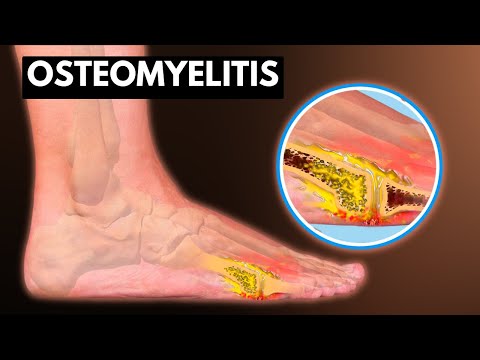
Osteomyelitis is a condition that might not often cross your mind, but it’s important to understand. This infection of the bone can happen due to bacteria, fungi, or even certain conditions that weaken the bone’s defense. Think of your bones like a fortress. When invaders breach the walls—whether through an injury, surgery, or even the bloodstream—the fortress can become compromised.
Recognizing the symptoms early can make a significant difference in treatment and recovery. Signs include persistent pain in the affected area, swelling, fever, and redness. Imagine a mild ache turning into an intense discomfort; this could be your body signaling that something is wrong.
When it comes to treatment, options vary based on factors like severity and underlying health issues. Antibiotics are often essential for fighting infections. In some cases, surgery may be necessary to remove infected tissue or drain abscesses.
However, it’s crucial to remember that every individual is unique. What works for one person may not work for another. Therefore, informing yourself about osteomyelitis through various sources including specialists in infectious diseases or orthopedic surgeons is vital.
**Warning:** While we strive to provide accurate and helpful information about osteomyelitis, bear in mind that online resources should never replace professional medical advice tailored specifically for you. Always consult healthcare professionals from different disciplines and utilize various media channels to gain a well-rounded understanding of your health concerns. Your bone health matters—don’t hesitate to empower yourself with knowledge!
The information provided in this article is intended solely for general informational and educational purposes. It does not constitute medical advice, diagnosis or professional treatment, and should not be considered a substitute for consultation with a qualified doctor or other licensed healthcare professional. Any health-related decisions should be made in consultation with accredited medical professionals.
While efforts have been made to ensure the information is accurate and up to date, no guarantees are given—either express or implied—regarding its accuracy, completeness, currency or suitability. Use of this information is at your own discretion.
It is strongly recommended to consult official sources such as the NHS (National Health Service) or other recognised medical institutions before acting on any information contained on this website or article. Under no circumstances should professional medical advice be ignored or delayed due to content read here.
This content is of a general and informational nature only. It is not intended to replace individualised guidance from a healthcare professional or to establish any doctor-patient relationship. The publication of this information does not imply any professional responsibility, guarantee or obligation on the part of the author or this site.
Discover the Most Effective Ways to Combat Bone Infection
Osteomyelitis is an infection in the bone. It can cause serious complications if not treated properly. Understanding its symptoms and treatments is key to managing this condition.
Symptoms often include pain in the affected area. You might also notice swelling, redness, and warmth over the bone. Sometimes, there can be fever and chills. If you have diabetes or a weakened immune system, you might be at higher risk.
To combat osteomyelitis effectively, early detection is important. Here are some common treatments:
It’s crucial to follow your healthcare provider’s advice closely. They’ll suggest a treatment plan tailored for you.
Keep in mind that bone infections can sometimes return. Good hygiene practices and proper wound care can help prevent reinfection.
Learning about osteomyelitis empowers you to make informed health decisions. Always stay vigilant about your body and don’t hesitate to seek professional guidance if something seems off.
Understanding the Signs, Triggers, and Solutions for Bone Infections
Bone infections, medically known as osteomyelitis, can be serious. Understanding the signs, triggers, and solutions is crucial for maintaining good health.
Osteomyelitis occurs when bacteria or other germs enter the bone. This can happen through an open wound or from infections in nearby tissues. Sometimes, it can even stem from a blood infection.
Recognizing the symptoms of a bone infection is important. Common signs include:
These symptoms might vary based on whether the infection is acute (sudden onset) or chronic (lasting over time).
Several factors can trigger osteomyelitis. Some key triggers include:
If osteomyelitis is suspected, prompt action is essential. A healthcare professional will assess symptoms and might conduct imaging tests like X-rays or MRIs.
Treatment usually involves antibiotics to fight infection. In some cases, surgery may be necessary to remove infected tissue or bone.
Preventing bone infections starts with good hygiene practices. Take care of cuts and wounds immediately by cleaning them properly and covering them up.
Additionally, managing chronic conditions like diabetes helps reduce risk. Regular check-ups with your healthcare provider are also wise.
It’s normal to feel concerned about bone health. Don’t hesitate to reach out for advice if anything seems off regarding your bones or overall health.
Staying informed about conditions like osteomyelitis empowers you to make responsible choices for your health. Remember that knowledge is a vital tool in prevention and treatment!
Navigating the Path to Healing Bone Infections
Bone infections, or osteomyelitis, can be serious and often require careful attention. Understanding the symptoms and treatment options is key to navigating this path to healing.
Osteomyelitis happens when bacteria or fungi infect the bone. This can occur due to an open wound, surgery, or even through the bloodstream from another infection.
Recognizing Symptoms is important for early intervention. Common signs include:
If you experience these symptoms, it’s crucial to seek medical help promptly.
Diagnosis often involves imaging tests like X-rays or MRIs, along with blood tests to identify infection markers. In some cases, a sample of bone may be taken to find out exactly what’s causing the problem.
Treatment Options vary depending on how severe the infection is. Typically, antibiotics are used to fight off infections. These may be given orally or through an IV in more severe cases.
In some situations, surgery may be necessary. This could involve removing infected tissue or draining abscesses that form around the bone.
Recovery takes time, and follow-up care is very important. You might need physical therapy to regain strength and movement in your muscles and joints after treatment.
It’s also worth noting that certain groups of people might be at higher risk for osteomyelitis. Those with diabetes or weakened immune systems should be particularly vigilant about any unusual symptoms related to their bones.
Always consult a healthcare provider for personalized advice tailored to your situation. It’s vital not just to treat osteomyelitis but also to understand how lifestyle factors can impact healing.
This includes maintaining a healthy diet rich in nutrients that support healing—like calcium and vitamin D—as well as avoiding smoking which can hinder recovery.
Education empowers us all when it comes to our health. By understanding osteomyelitis better, you can take informed steps toward ensuring good bone health now and in the future.
Osteomyelitis is an infection of the bone that can pose significant health challenges if not identified and treated early. Understanding its symptoms and treatment options is crucial for timely intervention.
Initially, osteomyelitis often presents with localized pain, which may be mistaken for a simple injury. Other signs include swelling, redness, and warmth around the affected area. Fever and chills can also accompany these symptoms, indicating a systemic response to infection.
Early diagnosis is key. Infections are typically confirmed through imaging studies like X-rays or MRIs and laboratory tests to identify the causative bacteria. It’s important not to ignore persistent pain or swelling as they could indicate an underlying issue.
Treatment usually involves antibiotics, which may need to be tailored according to the specific bacteria identified. In some cases, surgical intervention might be necessary to remove infected tissue or drain abscesses.
Awareness of these symptoms can empower individuals to seek help sooner rather than later. Delays in treatment could lead to serious complications such as chronic pain or disability.
In essence, understanding osteomyelitis—its signs and treatment options—enables informed decisions about health care that can greatly affect outcomes. Taking proactive steps in recognizing symptoms ensures better management of this condition and fosters better overall health awareness within our communities.