
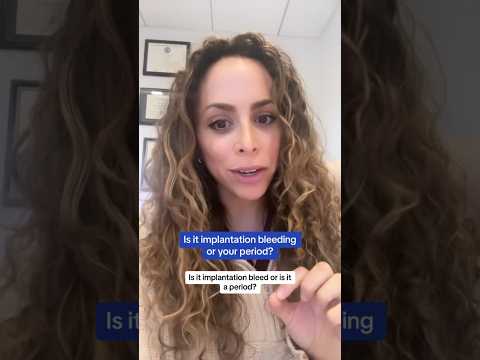
Spotting and bleeding after your period can be puzzling, leaving many wondering if it’s normal or a cause for concern. Imagine your menstrual cycle as a finely tuned machine. Sometimes, even the best machines can sputter or make unexpected sounds. Spotting is often just that—a small hiccup in an otherwise regular rhythm.
In this article, we’ll explore the causes of spotting and bleeding after your period, demystifying what’s going on in your body. From hormonal changes to potential medical issues, understanding these occurrences is essential for your overall health.
However, it’s crucial to approach this topic wisely. Not all information found online or from friends is accurate. Always consider seeking information from qualified professionals and reputable sources. Your health deserves careful attention and multiple perspectives to ensure you make informed decisions about your body. Remember, knowledge is power—so let’s dive in!
The information provided in this article is intended solely for general informational and educational purposes. It does not constitute medical advice, diagnosis or professional treatment, and should not be considered a substitute for consultation with a qualified doctor or other licensed healthcare professional. Any health-related decisions should be made in consultation with accredited medical professionals.
While efforts have been made to ensure the information is accurate and up to date, no guarantees are given—either express or implied—regarding its accuracy, completeness, currency or suitability. Use of this information is at your own discretion.
It is strongly recommended to consult official sources such as the NHS (National Health Service) or other recognised medical institutions before acting on any information contained on this website or article. Under no circumstances should professional medical advice be ignored or delayed due to content read here.
This content is of a general and informational nature only. It is not intended to replace individualised guidance from a healthcare professional or to establish any doctor-patient relationship. The publication of this information does not imply any professional responsibility, guarantee or obligation on the part of the author or this site.
Understanding the Causes and What Your Body is Trying to Tell You
Understanding your body can sometimes feel like decoding a secret language. Spotting or bleeding after your period can be normal, but it’s also important to pay attention. Let’s explore what it might mean and what your body could be trying to tell you.
First, it helps to know that spotting is light bleeding that can occur between periods. It’s usually lighter than your regular flow and may just last a day or two.
One common reason for spotting is hormonal changes. Hormones are like conductors of an orchestra, guiding your menstrual cycle. If they’re out of balance, you might notice some unexpected spotting.
Here are some other possible causes:
If spotting occurs frequently or is accompanied by other symptoms like pain or discomfort, it’s worth seeking advice from a health professional.
Remember that everyone’s body is different. What might be normal for one person could signal something else for another. Listen to what your body tells you.
Educating yourself about these signs helps in making informed decisions about your health. Keep track of any changes and don’t hesitate to discuss them with someone who understands these matters deeply.
Being proactive about your health means understanding what is normal and what isn’t. Your body communicates in many ways; it’s all about finding the right connection.
Understanding the Surprising Link Between Your Cycle and Skin Changes
Many people notice changes in their skin during their menstrual cycle. This connection can be surprising, but it’s really quite common. Understanding how hormonal fluctuations impact your skin can help you prepare for these changes.
Our menstrual cycle involves a series of hormonal shifts. The key players are estrogen and progesterone, which influence various body systems, including your skin. These hormones can affect oil production and inflammation.
During ovulation, levels of estrogen peak. This can lead to glowy skin as the hormone helps to keep hydration levels up. You might notice fewer blemishes during this time.
After ovulation, progesterone rises in preparation for a possible pregnancy. Higher progesterone means increased oil production. For some, this could lead to breakouts or oily skin. It’s like your skin is preparing for something that doesn’t happen.
Spotting or bleeding after your period may also relate to these hormonal dynamics. If you see unexpected bleeding, it might be due to hormone fluctuations impacting the uterine lining.
Keep in mind that not all changes are a cause for concern. Some fluctuations are normal parts of life and can be influenced by stress, diet, or lifestyle factors too.
If you experience significant changes in your skin or unusual bleeding patterns consistently, it’s wise to seek guidance from a qualified professional. They can provide tailored advice suited to your specific situation.
In summary:
Understanding these connections allows us all to anticipate the ebb and flow of our cycles with greater awareness and self-care strategies!
Understanding the Differences Between Spotting and Your Monthly Flow
Understanding the differences between spotting and your monthly flow is essential for managing menstrual health. This knowledge can help you identify what’s normal and what might need attention.
Spotting refers to light bleeding that occurs outside of your regular period. It might be brown or pink rather than bright red. Imagine it like a drizzle instead of a full-blown rainstorm.
On the other hand, your monthly flow usually consists of heavier bleeding, typically bright red. This is when the uterine lining sheds in preparation for a potential pregnancy. Think of this as a significant rainfall.
Here are some key points to remember:
Causes of spotting can range from hormonal changes to stress or even ovulation. It’s like noticing an unexpected drizzle—sometimes it’s just part of life.
If spotting occurs frequently or is accompanied by pain, it may be worth discussing with someone knowledgeable about health. It’s always good to keep tabs on these changes in your body.
Remember that every person’s cycle is unique. Some may experience irregular spotting while others have more consistent patterns.
In summary, knowing how to distinguish between spotting and your normal menstrual flow can empower you in understanding your body better. Don’t hesitate to track these experiences over time; they could provide valuable insights into your reproductive health.
Understanding spotting and bleeding after your period can sometimes feel confusing. Many people experience changes in their menstrual cycle, and it’s important to recognize what different patterns might indicate.
Spotting refers to light bleeding that occurs outside of your regular menstrual flow. This can happen for various reasons, including hormonal fluctuations, ovulation, or even stress. It’s generally lighter than a regular period and may not last long.
Bleeding, especially if it happens frequently or is heavier than spotting, can warrant more attention. In some cases, it could be linked to conditions such as fibroids, polyps, or more serious issues like infections or hormonal imbalances.
Recognizing your body’s normal patterns is crucial. Keep a menstrual diary to track any irregularities—this can provide valuable insights for discussions with healthcare professionals if needed.
It’s also important to remember that while some irregularities are common and benign, others may require medical evaluation. If you notice persistent spotting or unusual bleeding that concerns you, don’t hesitate to reach out for help.
Finally, don’t let misinformation guide your understanding of these symptoms. Engaging with reliable health resources and asking questions is key to making informed decisions about your health.


