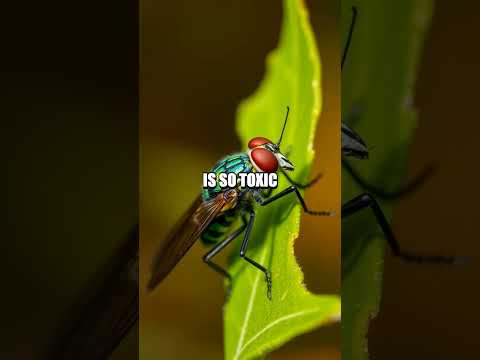
The tale of Spanish Fly is a captivating one, often surrounded by an air of mystery and allure. This substance, derived from the crushed bodies of a specific beetle, has been rumored for centuries to enhance sexual desire and performance. But is it a miracle remedy or just a myth?
Many people are drawn to the idea of boosting passion naturally. The promise of heightened desire can be tempting, making Spanish Fly sound like an exciting option. However, much of what we hear about it may be exaggerated or plain inaccurate. Understanding the facts versus fiction regarding this substance is essential.
It’s crucial to approach this topic with caution. While folklore glamorizes Spanish Fly as an aphrodisiac, there are significant health risks involved, including severe side effects that can be harmful. That’s why it’s important to do thorough research and consult various experts before considering any form of enhancement for desire. Use reputable sources and take into account different perspectives—your health helps you connect more meaningfully with others.
The information provided in this article is intended solely for general informational and educational purposes. It does not constitute medical advice, diagnosis or professional treatment, and should not be considered a substitute for consultation with a qualified doctor or other licensed healthcare professional. Any health-related decisions should be made in consultation with accredited medical professionals.
While efforts have been made to ensure the information is accurate and up to date, no guarantees are given—either express or implied—regarding its accuracy, completeness, currency or suitability. Use of this information is at your own discretion.
It is strongly recommended to consult official sources such as the NHS (National Health Service) or other recognised medical institutions before acting on any information contained on this website or article. Under no circumstances should professional medical advice be ignored or delayed due to content read here.
This content is of a general and informational nature only. It is not intended to replace individualised guidance from a healthcare professional or to establish any doctor-patient relationship. The publication of this information does not imply any professional responsibility, guarantee or obligation on the part of the author or this site.
Discover the Perfect Pairings for an Unforgettable Experience
When discussing desire and attraction, many people have heard of “Spanish Fly.” It’s often associated with enhancing libido, but how much truth is there to the claims?
Let’s dive into it. First, Spanish Fly isn’t actually a fly at all. It’s made from the ground-up bodies of certain beetles. These creatures release a substance called cantharidin. Historically, cantharidin has been thought to increase desire.
However, it’s essential to be cautious. Cantharidin can be toxic in high amounts. Many people confuse the idea of increasing desire with safety, but these are very different concepts.
When exploring ways to enhance intimacy or desire, consider holistic approaches as well. For instance:
It’s also important to think critically about quick fixes or miracle solutions. Many products on the market claim miraculous results without robust scientific backing.
Educating oneself on sexual health is vital. Research reputable sources and consult with healthcare professionals when needed.
In conclusion, while Spanish Fly is steeped in myth and history, understanding your own desires and needs is what truly matters for an unforgettable experience. Always prioritize safety and mutual consent in any intimate situation.
Unlocking the Secrets of Spanish Fly Spray: Effects and Benefits Explored
Spanish fly spray has a long history rooted in folklore and myths. It’s often associated with enhancing desire. But what does science say about it?
At its core, Spanish fly refers to a substance derived from the blister beetle, known as Cantharis vesicatoria. The active component is cantharidin. Traditionally, it has been marketed as an aphrodisiac.
However, the reality might be different. While some people believe it can heighten sexual desire, there’s limited scientific evidence to support these claims. Most findings are anecdotal rather than robust.
Using Spanish fly poses several risks.
Many cultures have myths that romanticize substances like Spanish fly. These tales often highlight their supposed miraculous properties. But it’s essential to approach these stories with caution.
Some people might think of Spanish fly as a natural alternative for libido issues. While natural options exist, they don’t all carry the same risks or lack of scientific backing.
Communication is key in relationships regarding desires and needs. Instead of relying on controversial substances, couples should consider open dialogues about intimacy.
If someone feels a decrease in sexual desire, exploring underlying causes is vital. Stress, hormonal imbalances, and relationship dynamics can play significant roles.
Critically evaluating any product marketed for sexual enhancement is important too. Just because something is labeled “natural” doesn’t mean it’s safe or effective.
In conclusion, while Spanish fly spray remains an intriguing topic entwined with lore and mythos, caution should guide anyone considering its use. Prioritizing open communication and understanding health factors will always be more beneficial than seeking quick fixes from dubious sources.
Uncovering the Myths and Realities Behind This Controversial Substance
Spanish Fly has long been surrounded by myths, often touted as a potent aphrodisiac. Yet, the reality is much more complicated and rooted in historical context.
The term “Spanish Fly” actually refers to a beetle called *Lytta vesicatoria*. It produces a substance known as cantharidin. This compound can indeed cause irritation and inflammation.
Historically, people believed that Spanish Fly could enhance sexual desire. However, this belief is mainly based on folklore rather than solid scientific evidence.
Using Spanish Fly can pose serious health risks. The cantharidin in it can lead to painful urinary tract issues and may even be toxic in high doses. It’s important to consider these potential dangers.
Here are some key points about Spanish Fly:
The allure of Spanish Fly continues largely because of its sensational reputation. But it’s essential to be cautious about such claims.
Many natural substances have been celebrated for their possible effects on desire. However, they often lack rigorous research too. Critical thinking is essential when exploring these options.
In conclusion, while Spanish Fly has a fascinating history, it’s not a miracle solution for enhancing intimacy or attraction. Always prioritize safety and rely on well-supported methods for health decisions.
The concept of Spanish Fly often evokes fascination, being steeped in history and myth. Traditionally, it has been touted as an aphrodisiac, celebrated for its supposed ability to enhance sexual desire. However, a closer examination reveals a more complex narrative.
Spanish Fly comes from the crushed bodies of a beetle. The active compound, cantharidin, can cause irritation and blistering, leading to potential health risks. Use of this substance can lead to severe side effects such as nausea, pain, and even organ damage.
Yet the allure of Spanish Fly persists in popular culture and folklore. Many believe that it holds magical properties for boosting libido or enhancing pleasure. This belief thrives despite a lack of scientific evidence supporting its efficacy as an aphrodisiac.
In seeking passion or intimacy, it’s essential to consider safety and well-being. There are healthier alternatives for enhancing desire that don’t involve risk or harm. Open communication with partners and understanding one’s own body can be far more effective than relying on potentially harmful substances.
Ultimately, Spanish Fly serves as a reminder to approach claims about sexual enhancement with skepticism. The best path toward desire is rooted in mutual respect and understanding rather than ancient myths or miracle cures.