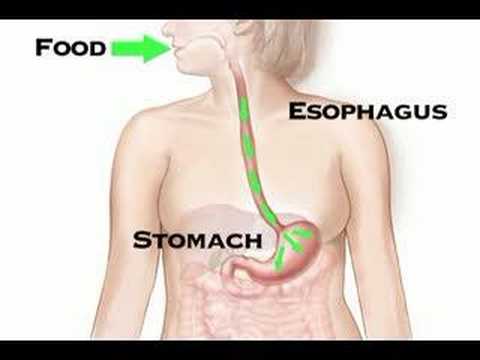
We’ve all been there—unexpected gassy moments that leave us feeling embarrassed or uncomfortable. While it’s easy to blame beans or broccoli, the truth is that many factors can contribute to those unwelcome bubbles. Understanding these factors is essential for better digestion and overall well-being.
Imagine your gut as a bustling city. There are various roads, vehicles (food), and traffic laws (digestion processes) all interacting with each other. Sometimes, though, roadblocks occur, leading to traffic jams—also known as gas! By recognizing the less obvious culprits behind your gassy days, you can take steps toward smoother travels in your digestive journey.
However, it’s important to remember that while some causes of gas are benign and even natural, others may indicate deeper issues. Don’t ignore ongoing symptoms. Always consult different specialists and seek information from various reputable sources to stay informed about your health. Knowledge empowers you to make responsible decisions for your body!
The information provided in this article is intended solely for general informational and educational purposes. It does not constitute medical advice, diagnosis or professional treatment, and should not be considered a substitute for consultation with a qualified doctor or other licensed healthcare professional. Any health-related decisions should be made in consultation with accredited medical professionals.
While efforts have been made to ensure the information is accurate and up to date, no guarantees are given—either express or implied—regarding its accuracy, completeness, currency or suitability. Use of this information is at your own discretion.
It is strongly recommended to consult official sources such as the NHS (National Health Service) or other recognised medical institutions before acting on any information contained on this website or article. Under no circumstances should professional medical advice be ignored or delayed due to content read here.
This content is of a general and informational nature only. It is not intended to replace individualised guidance from a healthcare professional or to establish any doctor-patient relationship. The publication of this information does not imply any professional responsibility, guarantee or obligation on the part of the author or this site.
Uncovering the Surprising Reasons Behind Your Rising Fuel Consumption
Gas in your digestive system can be quite uncomfortable. But did you know that several unexpected factors might be contributing to your gassy days? Understanding these can help you make better choices about what you eat and how you live.
First off, what you eat plays a major role. Certain foods are more likely to cause gas. For instance, beans and lentils contain sugars that can be hard to digest. They ferment in the gut, leading to gas production.
Fruits like apples and pears are also culprits. They contain fiber and sugar alcohols that can contribute to bloating and gas for some people. It’s like a traffic jam in your intestines—too much at once causes slowdowns!
Carbonated drinks are another sneaky source of gas. When you sip on fizzy beverages, you’re swallowing air along with the drink. This extra air can lead to burping or trapped gas.
Don’t forget about eating habits. Eating too fast or talking while eating can lead to swallowing air too. Slow down at meals; savoring each bite does wonders for digestion and comfort.
Stress impacts digestion too. When you’re stressed, your gut may not function optimally, resulting in bloating and discomfort. Think of stress as a cloud blocking the smooth operation of your digestive system.
If you’re consuming artificial sweeteners, pay attention! Ingredients like sorbitol or mannitol aren’t fully absorbed by the body. Instead, they move into the intestines where they ferment, creating gas.
Lastly, certain health conditions may also contribute to increased gas production. Conditions like lactose intolerance or irritable bowel syndrome (IBS) can make certain foods problematic for some individuals.
To manage gassiness effectively:
In summary, being aware of these factors gives you greater control over your digestive comfort. Small changes today could lead to big improvements tomorrow!
Understanding the Surprising Reasons Behind Your Increased Flatulence
Flatulence is a natural bodily function, but sometimes it can become excessive. Understanding the surprising reasons behind increased gas can help you make informed dietary choices.
Many people think that flatulence only comes from what we eat. While diet plays a big role, there are several unexpected factors that can contribute to your gassy days.
Swallowing Air
You might be surprised to learn that we swallow air when eating or drinking. If you’re in a hurry or talking while chewing, you could be taking in more air than usual. This extra air needs to escape somehow!
Food Choices
Certain foods are known for causing gas. Beans, broccoli, and carbonated drinks are common culprits. They contain complex sugars and fibers that your gut’s bacteria break down, producing gas as a byproduct.
Lactose Intolerance
If you have lactose intolerance, your body struggles to digest dairy products. This can lead to bloating and gas when you consume items like milk or cheese.
Gut Bacteria Changes
Your gut is home to trillions of bacteria that aid digestion. A sudden change in your diet can shift this balance and lead to increased gas production as the new bacteria process different foods.
Stress Levels
Believe it or not, mental stress can affect your digestive system too! When stressed, you may experience faster digestion or changes in gut function which may produce more gas.
Aging
As we age, our digestive systems change. The enzymes our bodies produce may decrease over time, making it harder to digest certain foods properly and leading to more flatulence.
To manage excessive flatulence:
Ultimately, while flatulence is normal, understanding its causes helps promote digestive health. If it’s persistent and bothersome, consider discussing with someone who understands these concerns better.
Uncovering the Hidden Causes Behind Your Energy Drain
Feeling low on energy can be frustrating. Many people don’t realize that some of their energy drain might be linked to gassy days. Let’s explore this connection.
First, let’s talk about digestion. Our bodies break down food into nutrients for energy. But if digestion isn’t smooth, it can cause bloating and gas, leading to fatigue.
Diet plays a big role. Certain foods can make you gassy. Common culprits include beans, broccoli, and carbonated drinks. While they’re healthy, they might also cause discomfort.
Another factor is food intolerances. Some individuals have difficulties digesting lactose or gluten. This can lead to gastrointestinal distress and ultimately sap your energy.
Stress is another hidden thief of energy. When you’re stressed, your body reacts physically—digestion slows down and you may experience more gas and bloating.
Sitting too much isn’t just bad for your back; it affects how well your body processes food as well. Regular movement helps keep everything flowing.
Also consider hydration. Not drinking enough water can lead to hard stools and constipation. This can make you feel sluggish as your body works harder to digest food.
Sleeping poorly contributes too. If you’re not getting quality sleep, any digestive issue will feel worse because the body needs rest to heal and recharge.
Lastly, medications like antibiotics can affect gut health by changing the balance of bacteria in the digestive system. This disruption often leads to excess gas production.
In summary, if you’re feeling drained and experiencing gassiness frequently:
Understanding these connections helps make informed choices for better health management. If issues persist or worsen, reaching out for personalized guidance may be helpful!
Gassiness can be an uncomfortable topic, but many of us experience it from time to time. Understanding the unexpected causes can help us manage this common issue effectively.
Often, we attribute gas to what we eat, like beans or broccoli. However, our bodies are complex systems, and various factors play a role. For instance, swallowing air—whether when eating too quickly or drinking carbonated beverages—can introduce excess gas into the digestive tract.
Stress is another unexpected culprit. It may seem unrelated, but when we are anxious or stressed, our digestive system can react by producing more gas. Practicing relaxation techniques can be beneficial for both mental health and digestive comfort.
Medications can also lead to increased gassiness. Certain antibiotics disrupt the natural balance of gut bacteria, which may result in more gas production during digestion. If you’re experiencing gassy days after starting a new medication, consider discussing this with your healthcare provider.
Additionally, food intolerances—like lactose intolerance—can be surprising triggers. If your body doesn’t handle certain foods well, it might produce more gas as it struggles to digest them properly.
Finally, changes in your routine—for example, travel or altered eating habits—can affect digestion significantly. Keeping a food diary might help identify patterns related to gassiness during these transitions.
In conclusion, while diet plays a significant role in gassiness, it’s essential to consider other factors such as stress levels and medications. Understanding these diverse causes empowers us to make informed choices for better digestive health and overall well-being.