
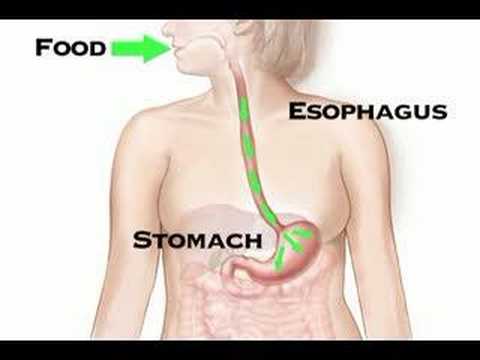
Acid reflux is a common condition that many people experience at some point in their lives. Imagine your stomach as a factory, processing food and producing acids to aid digestion. Sometimes, this factory can malfunction, leading those acids to travel back up into your esophagus—the tube that connects your mouth to your stomach. This backward flow can cause uncomfortable symptoms and raise important health questions.
In this guide, we’ll explore what acid reflux feels like, its potential causes, and the tests available to diagnose it. You’ll learn about the burning sensation known as heartburn and other telltale signs that something might be off in our digestive system.
However, it’s crucial to remember that understanding acid reflux requires reliable information. While this guide provides an overview, consulting different specialists—including gastroenterologists—and seeking diverse media sources for knowledge is vital. Each individual’s experience with acid reflux can vary significantly; being well-informed allows for better management and treatment options.
Let’s dive into how you can recognize the symptoms of acid reflux and uncover its underlying causes!
The information provided in this article is intended solely for general informational and educational purposes. It does not constitute medical advice, diagnosis or professional treatment, and should not be considered a substitute for consultation with a qualified doctor or other licensed healthcare professional. Any health-related decisions should be made in consultation with accredited medical professionals.
While efforts have been made to ensure the information is accurate and up to date, no guarantees are given—either express or implied—regarding its accuracy, completeness, currency or suitability. Use of this information is at your own discretion.
It is strongly recommended to consult official sources such as the NHS (National Health Service) or other recognised medical institutions before acting on any information contained on this website or article. Under no circumstances should professional medical advice be ignored or delayed due to content read here.
This content is of a general and informational nature only. It is not intended to replace individualised guidance from a healthcare professional or to establish any doctor-patient relationship. The publication of this information does not imply any professional responsibility, guarantee or obligation on the part of the author or this site.
Discover the Best Methods for Identifying Acid Reflux Symptoms
Identifying acid reflux symptoms is crucial for understanding your body and seeking help. Acid reflux occurs when stomach acid flows back into the esophagus, which can lead to discomfort and other issues.
Common symptoms of acid reflux include:
These symptoms can vary from person to person. Some might feel heartburn only occasionally, while others may have it frequently. It’s important to pay attention to when these symptoms occur.
Tracking your symptoms is a great method for identifying acid reflux. You can keep a journal where you note down:
Certain foods often trigger acid reflux. Common culprits include spicy foods, fatty meals, chocolate, caffeine, and alcohol. If you notice a pattern between your diet and symptom flare-ups, it might be worth discussing with someone who can help further.
Another effective method is evaluating lifestyle factors. Being overweight or obese increases pressure on the stomach and could lead to more severe symptoms. Simple changes like incorporating regular exercise or adjusting portion sizes may make a difference.
In some cases, over-the-counter medications can offer temporary relief but understanding the underlying cause is key. Long-term reliance on them without addressing diet or lifestyle might mask bigger issues.
If symptoms persist despite trying these methods, it’s really important to seek guidance from someone who can provide more tailored advice. Tests such as an endoscopy or pH monitoring are available for deeper insights into how severe your condition might be.
Always stay informed about what your body is telling you. Identifying acid reflux symptoms early can lead to better management strategies that fit into your life more smoothly!
Uncovering the Hidden Triggers Behind Your Discomfort
Acid reflux can be an uncomfortable experience for many. It happens when stomach acid flows back into the esophagus, leading to symptoms like heartburn and regurgitation. But what causes this discomfort? Let’s explore some hidden triggers that may be contributing to your symptoms.
First, diet plays a significant role. Certain foods can relax the lower esophageal sphincter, the muscle that keeps acid in the stomach. Common culprits include:
Even the timing of meals matters. Eating large meals or lying down right after eating can increase the likelihood of acid reflux.
Another factor to consider is lifestyle habits. Smoking can weaken that important muscle we mentioned earlier. Likewise, excess weight puts extra pressure on your abdomen, increasing discomfort.
Stress is yet another hidden trigger. When you’re stressed, your body produces more acid as part of its fight-or-flight response. This can lead to increased heartburn and discomfort.
Additionally, some medications may contribute to acid reflux symptoms. Nonsteroidal anti-inflammatory drugs (NSAIDs) and certain blood pressure medications have been known to aggravate reflux issues.
If you often find yourself with discomfort after meals or during specific activities, try keeping a food diary. Noting what you eat and when your symptoms occur can help identify patterns.
Tests like an endoscopy or pH monitoring might be necessary if symptoms persist despite trying these changes. These tests provide insight into how much acid is present and assess any damage caused by reflux.
Remember, being aware of these triggers is the first step toward managing them better. Adjusting your diet, lifestyle choices, and stress levels may significantly reduce discomfort over time.
Staying informed allows you to make better decisions regarding your health. Don’t hesitate to reach out for tailored advice from a healthcare professional if you’re struggling with ongoing symptoms! Understanding your body is key in finding relief from discomfort related to acid reflux.
Discover Simple Ways to Identify Acid Reflux Symptoms at Home
Understanding acid reflux can feel overwhelming, but identifying its symptoms at home is simpler than you might think. Acid reflux, also known as gastroesophageal reflux disease (GERD), occurs when stomach acid flows back into the esophagus. This can cause a variety of uncomfortable symptoms.
Start by paying attention to heartburn. This is a burning sensation in your chest or throat after eating. It often feels worse when lying down or bending over.
Another common symptom is regurgitation. This happens when you taste or feel acid in your mouth, especially after a meal. It’s like having an unpleasant surprise in your throat.
Chronic coughing or a raspy voice can also signal acid reflux. This often occurs at night or early morning and can disturb sleep.
Additionally, if you notice difficulties swallowing, it may indicate that acid is affecting your throat and esophagus. You might feel like food is stuck or has trouble going down.
Some people experience bloating, especially after large meals. This uncomfortable feeling can come along with other symptoms like gas and belching.
To check for these symptoms, keep a simple log of what you eat and any discomfort you feel afterward. Note the time and details about each episode; this info can help if you decide to consult someone later on.
Also, try to remember how certain foods affect you. Common triggers include spicy foods, caffeine, alcohol, chocolate, and fatty meals.
Finally, watch for changes in weight or appetite that accompany these symptoms too. Sudden changes might warrant further investigation.
In summary:
Recognizing these signs is an important step toward understanding your body better. However, it’s essential to consult a professional if you’re concerned about your health or if symptoms persist over time. Your well-being deserves careful attention!
Acid reflux, often felt as heartburn, is a common issue that many people experience. Understanding this condition is essential for managing it effectively.
Symptoms of acid reflux can include a burning sensation in the chest, sour taste in the mouth, and difficulty swallowing. It’s important to recognize these signs early to seek appropriate care.
The causes of acid reflux can vary widely. Factors such as diet, lifestyle choices, and even anatomical issues like a hiatal hernia can contribute. For instance, consuming fatty or spicy foods might trigger symptoms, just as lying down too soon after eating can worsen the discomfort.
To diagnose acid reflux, healthcare providers may use various tests. Common methods include endoscopy to view the esophagus directly and pH monitoring to measure acidity levels. These tests help determine the severity of the condition and guide treatment options.
Understanding these aspects empowers individuals to make informed decisions about their health. By recognizing symptoms early and considering dietary adjustments or medical advice when needed, one can significantly improve quality of life. It’s also important to debunk myths—acid reflux isn’t solely caused by eating spicy food; it’s a multifaceted issue that needs careful attention and tailored management strategies.
In summary, grasping the nuances of acid reflux promotes better self-care and encourages communication with healthcare providers for effective management. Each person’s experience with acid reflux is unique, making personalized approaches vital for successful outcomes.


