The information provided in this article is intended solely for general informational and educational purposes. It does not constitute medical advice, diagnosis or professional treatment, and should not be considered a substitute for consultation with a qualified doctor or other licensed healthcare professional. Any health-related decisions should be made in consultation with accredited medical professionals.
While efforts have been made to ensure the information is accurate and up to date, no guarantees are given—either express or implied—regarding its accuracy, completeness, currency or suitability. Use of this information is at your own discretion.
It is strongly recommended to consult official sources such as the NHS (National Health Service) or other recognised medical institutions before acting on any information contained on this website or article. Under no circumstances should professional medical advice be ignored or delayed due to content read here.
This content is of a general and informational nature only. It is not intended to replace individualised guidance from a healthcare professional or to establish any doctor-patient relationship. The publication of this information does not imply any professional responsibility, guarantee or obligation on the part of the author or this site.
Have you ever felt a sharp pain in your chest after a big meal? You’re not alone. Many people face this uncomfortable situation, especially those dealing with acid reflux. But did you know that a small muscle called the upper esophageal sphincter plays a big role in this experience?
The upper esophageal sphincter, or UES for short, is like a gatekeeper. It sits at the top of your esophagus and controls what goes in and out. When it doesn’t work properly, it can lead to discomfort and even pain related to acid reflux.
This article will break down how the UES functions and its connection to acid reflux pain. We’ll explore common symptoms, typical causes, and what you might consider doing about it.
Understanding these concepts is important because they can help you manage symptoms better or communicate more effectively with your doctor about treatment options.
However, remember: this content doesn’t replace professional medical advice. Always consult a healthcare professional for any health decisions or concerns you might have.
Discovering the Hidden Challenges of Swallowing and Throat Discomfort
Understanding Swallowing Challenges
Swallowing is something most of us do without thinking, but for some, it’s a daily struggle. People may experience throat discomfort or have difficulty swallowing, known as dysphagia. This can be due to various reasons including problems with the muscles or nerves involved in the swallowing process.
The Role of the Upper Esophageal Sphincter
The upper esophageal sphincter (UES) is a critical part of this process. Think of it as a gate at the top of your esophagus that opens when you swallow food or drink. When functioning well, it lets things pass into your stomach and closes afterward to prevent backflow.
How Acid Reflux Affects Swallowing
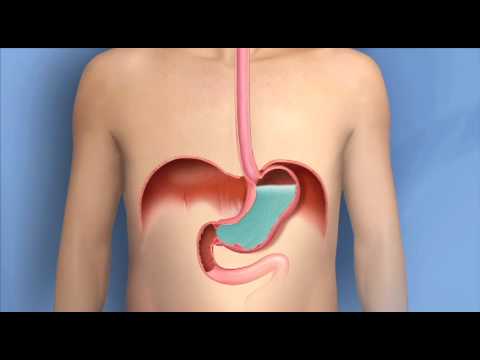
Acid reflux occurs when stomach acid backs up into the esophagus, sometimes reaching the throat. This can irritate the lining and lead to sensations like heartburn or tightness in the throat. If this happens frequently, it might affect how well your UES works.
Dysphagia Symptoms
If you’re experiencing difficulty swallowing, you might feel:
- A sensation like food is stuck in your throat
- Pain during swallowing (odynophagia)
- Coughing or choking while eating
- A change in voice quality after eating
Why Does This Happen?
A variety of factors contribute to these symptoms. Sometimes it’s structural issues like strictures, which are narrow patches; other times, it could be muscle-related conditions that weaken muscle function.
The Mind-Body Connection
Honestly, stress and anxiety can exacerbate swallowing challenges too. When you’re nervous or tense, your muscles may react differently. You know? It’s amazing how intertwined our physical and emotional states can be.
Tackling Discomfort
If you’re dealing with these symptoms regularly, keeping track of what you eat could help identify triggers. Spicy foods and acidic items might make things worse for some people who deal with acid reflux.
Seeking Help Is Key
If discomfort persists, consider discussing it with a healthcare professional who can offer guidance tailored to your situation. They may suggest specific tests or treatments that focus on relieving those annoying symptoms.
Stay Informed!
Knowledge is power! Understanding what’s going on in your body can help you navigate those pesky swallowing challenges better. Don’t hesitate to reach out if you have more questions about how everything’s connected when it comes to acid reflux pain and throat discomfort.
Unlocking Better Swallowing: Simple Exercises for Upper Esophageal Health
Understanding Upper Esophageal Sphincter Function
The upper esophageal sphincter (UES) is a muscular ring at the top of your esophagus. This little guy acts like a gatekeeper, controlling what goes in and out. You know how some doors only open with a key? The UES opens when you swallow, allowing food to enter the esophagus.
Sometimes, when this muscle doesn’t work properly, it can lead to issues like acid reflux pain. Acid reflux happens when stomach contents move back up into the esophagus. Think of it like that moment when you accidentally let the door swing back into your face—the UES isn’t closing tightly enough.
Why Proper Function is Important
If the UES isn’t functioning well, it can result in discomfort and swallowing difficulties. When swallowing feels painful, you might start avoiding certain foods or even develop anxiety around eating—like trying to dodge a game of dodgeball!
Ensuring its proper function helps maintain not just comfort while eating but also protects your throat and mouth from harmful acids. It’s about keeping things flowing smoothly, so your body works as intended.
Exercises for Better Swallowing
So here are some simple exercises that could help strengthen those muscles involved in swallowing:
- Suction swallow:
- Tongue stretch:
- Dip and sip:
Purse your lips and create suction on a straw (or even just a glass). Then swallow while maintaining suction for an added challenge.
Poke your tongue out as far as possible and hold it there for 5 seconds before relaxing. This helps engage muscles that assist in swallowing.
Tilt your head slightly down while drinking water; this makes it easier for fluids to pass through effectively.
Practice Makes Perfect
Like any muscle in our body, practice helps! Doing these exercises regularly can help improve UES function over time. However, it’s important to listen to your body; if something hurts more than usual or feels off, it’s worth reconsidering.
Minding Your Diet
Your diet can impact how well the UES operates too. Foods that are spicy or very acidic may aggravate symptoms of acid reflux. Think about adjusting those meals if you’re experiencing discomfort after eating them.
A Final Note on Health
If you’re dealing with prolonged pain or trouble swallowing regularly, seeking guidance from those who handle medical matters would be wise. Remember: each person’s body responds differently; what works for one might not work for another!
Understanding the Signs and Signals of Upper Esophageal Sphincter Issues
Understanding the Upper Esophageal Sphincter
The upper esophageal sphincter (UES) is like a gate at the top of your esophagus. It is a muscle that opens to let food and drinks enter your stomach, and then it closes to prevent anything from coming back up. You might not think about it much, but when it doesn’t work right, you can run into some issues.
What Happens When the UES Doesn’t Work Well?
Sometimes, this muscle can become weak or too tight. When it’s weak, food might get stuck, causing a sensation known as dysphagia. On the other hand, if it’s too tight, swallowing can feel difficult or painful.
Have you ever felt like something was lodged in your throat? That might be a signal from your UES that something’s off. It’s frustrating when eating becomes a challenge.
Connection to Acid Reflux
Now, let’s talk about acid reflux pain. This happens when stomach acid backs up into the esophagus. The UES plays a role here too; if it’s not closing properly after swallowing, acid can escape upwards. This can lead to that burning feeling in your chest or throat.
A common symptom of this issue is heartburn—like when you’ve eaten spicy food and feel discomfort afterward. Think of it like a fire alarm going off; it’s trying to tell you something’s wrong!
Signs You Might Have UES Issues
- Difficulties swallowing—food feels stuck.
- Pain during swallowing—like you’re forcing something through an overly tight space.
- Frequent heartburn—especially if you’re eating heavier meals.
- Coughing or choking while eating—this could indicate miscommunication between your brain and throat muscles.
A Closer Look at Symptoms
If you experience consistent symptoms like these over time, that’s worth noting! The body’s signals are often clear indicators of what’s happening inside. It could mean you’ll want to talk with someone who specializes in these areas later on.
The Role of Lifestyle Changes
You know how sometimes we can eat too quickly? That rush can stress out our UES and make swallowing harder. Slower meals and smaller bites may help reduce discomfort for some people.
Avoiding certain foods could also support better function. Spicy foods or caffeine impact the sphincter and increase reflux symptoms for many folks.
When Should You Seek Help?
If signs persist despite making changes in your diet or habits—it could be time to chat with someone knowledgeable about digestive health.
Please keep in mind:
This information isn’t meant to diagnose any condition but rather provide insight into how everything connects together regarding upper esophageal sphincter issues related to acid reflux pain.
Your body communicates its needs; learning its language helps us understand what’s going on! Being aware of these signals will empower you as you navigate any concerns with eating or discomfort.
Take care!
Understanding the function of the upper esophageal sphincter (UES) is crucial in addressing acid reflux pain. The UES acts as a valve at the top of the esophagus, controlling what enters and preventing backflow. When it’s not functioning properly, this can lead to uncomfortable symptoms.
Acid reflux occurs when stomach acid flows back into the esophagus, causing irritation and pain. It’s interesting to note that while most discussions focus on the lower esophageal sphincter, issues with the UES can also contribute significantly to reflux-related discomfort.
A dysfunctional UES can allow air or acid to escape upward more easily, which may lead to sensations like heartburn or a lump in the throat. Understanding this mechanism is critical for effective treatment strategies.
Moreover, it emphasizes how interconnected our body systems are. For those experiencing chronic reflux or dysphagia, engaging in therapies aimed at strengthening UES function may provide relief. This highlights an important area for ongoing research and patient education.
In addressing acid reflux pain holistically, considering factors like diet and stress management alongside sphincter functionality could enhance patient outcomes significantly.