The information provided in this article is intended solely for general informational and educational purposes. It does not constitute medical advice, diagnosis or professional treatment, and should not be considered a substitute for consultation with a qualified doctor or other licensed healthcare professional. Any health-related decisions should be made in consultation with accredited medical professionals.
While efforts have been made to ensure the information is accurate and up to date, no guarantees are given—either express or implied—regarding its accuracy, completeness, currency or suitability. Use of this information is at your own discretion.
It is strongly recommended to consult official sources such as the NHS (National Health Service) or other recognised medical institutions before acting on any information contained on this website or article. Under no circumstances should professional medical advice be ignored or delayed due to content read here.
This content is of a general and informational nature only. It is not intended to replace individualised guidance from a healthcare professional or to establish any doctor-patient relationship. The publication of this information does not imply any professional responsibility, guarantee or obligation on the part of the author or this site.
Have you ever thought about how your body keeps things in and lets them out? It’s a pretty fascinating process, especially when it comes to the anal sphincter. This little muscle plays a big role in maintaining control and comfort.
Many people don’t realize just how crucial this muscle is until complications arise. Issues like incontinence or pain can be alarming and, let’s face it, sometimes embarrassing to discuss. But understanding how the anal sphincter works can empower you to approach these topics more confidently.
In this article, we’ll break down the function of the anal sphincter and explore some common complications. You’ll learn about its importance for everyday life and how various factors can affect its performance.
This isn’t meant to replace medical advice or consultations with healthcare professionals—those conversations are really important! Health decisions shouldn’t be made based solely on what you read here. Always seek guidance from a qualified provider about your specific situation.
So let’s dive in and uncover what makes this muscle tick!
Exploring the Role and Importance of the Body’s Hidden Muscle
Understanding the Anal Sphincter
Hey, let’s talk about a muscle that many people might not think about often but plays a key role in our body. That’s the anal sphincter. So, what exactly is it?
The anal sphincter is actually made up of two main muscles: the internal and external sphincters. These muscles help control bowel movements, kinda like a gatekeeper that opens and closes to let waste out when it’s time.
How Does it Work?
Think of the internal sphincter as an automatic door that opens when you want to go, while the external sphincter works like a manual door handle—you can choose when to open it or keep it closed. When these muscles function well, they prevent unwanted leakage.
But if there’s any weakness or damage to these muscles, problems can arise. Many people may experience conditions like fecal incontinence—this means having a hard time controlling bowel movements.
What Can Cause Problems?
- Surgery: Sometimes surgeries in the anal area can inadvertently damage these muscles.
- Childbirth: Women may face injuries during delivery that can affect their pelvic floor and weaken these muscles.
- Aging: As we age, our muscles naturally lose strength, including those around the anus.
The Importance of Awareness
You know? It’s important for folks to understand this muscle because awareness helps you address issues promptly. Sometimes symptoms like leakage might make someone embarrassed but recognizing them is key for seeking help.
If you’re experiencing issues, talking with someone—a friend or even a healthcare professional—can be super beneficial. They’re equipped with knowledge on how to strengthen this area through exercises or other treatments.
Simplifying Treatment Options
- Kegel exercises: These are pelvic floor exercises aimed at strengthening both sphincters.
- Lifestyle changes: Maintaining good bowel habits can help reduce strain on your anal sphincters.
- Treatment for underlying conditions: Sometimes addressing constipation or diarrhea can reduce pressure on these muscles.
The thing is, taking care of your health involves understanding even hidden aspects like this muscle’s role. It’s all tied together! Remember that nobody should have to suffer in silence when solutions exist out there!
If nothing else comes from all this info—it’s knowing that understanding our bodies and seeking appropriate help makes a world of difference!
Unlocking the Secrets of a Key Player in Digestive Health
Understanding the Anal Sphincter
The anal sphincter is a crucial part of our digestive system. It keeps things in check, so to speak. You know, it’s like a gate that controls when waste exits the body. This muscle is unique because it’s under both voluntary and involuntary control.
To break it down: there are two main components—the internal and external sphincters. The internal one works automatically, helping to keep everything in place without you even thinking about it. The external one is under your control, which means you decide when to let go or hold on.
How Does It Work?
Imagine holding a water balloon tightly in your hand. That’s how the anal sphincter functions—it keeps things sealed until you’re ready to release them. When it’s time to use the restroom, nerve signals tell these muscles to relax in a coordinated way.
This process isn’t as simple as it sounds. You need awareness and timing, which is why some people experience difficulties with it sometimes.
Common Complications
- Incontinence: This refers to the inability to control bowel movements. It can happen for various reasons like muscle weakness or nerve damage.
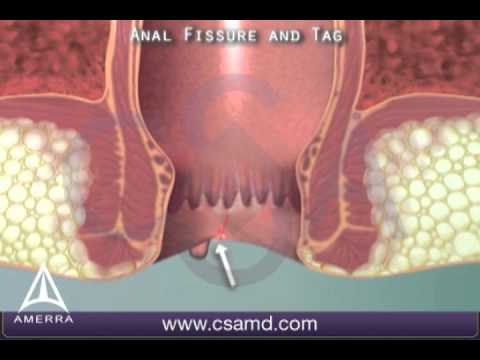
- A tight sphincter: Sometimes, this muscle can be too tight due to conditions like hemorrhoids or anal fissures (which are small tears). This can make passing stool painful or difficult.
- Pelvic floor disorders: These can affect how well the sphincter functions because of weakened supporting muscles in that area.
The Role of Nerves
Nerves play a key role too—like conductors orchestrating an entire symphony! If they get damaged or aren’t functioning properly due to injury or disease, it might lead to complications with bowel control.
Lifestyle Factors
Certain lifestyle choices can impact sphincter function as well. For instance, being overweight may increase pressure on the pelvic floor muscles. Look at diet too; fiber is essential for healthy digestion and regular bowel movements.
Treatment Options
- Kegel exercises: These strengthen pelvic muscles—not just for women but men too! They help improve control over the anal sphincter.
- Diet changes: Increasing fiber intake can aid regularity, making things easier during bathroom visits.
- Surgical options: In severe cases where other treatments haven’t worked well enough, surgery might be discussed by health professionals for lasting solutions.
The Bottom Line
The anal sphincter’s function is vital for digestive health; understanding its job helps appreciate just how complex our bodies are. If you face any issues related to this area—like those pesky complications—it’s good practice seeking advice from someone who knows more about it instead of trying to navigate alone!
Understanding the Dual Mechanics Behind Controlling Bladder Function
Understanding Bladder Control
Bladder control is a pretty remarkable process. It involves multiple mechanisms working together to make sure we can hold urine until it’s the right time to go. Two key areas involved are the nervous system and the pelvic floor muscles, including the anal sphincter.
The Nervous System’s Role
Your nervous system acts like a communication network for bladder control. It sends signals from your brain to your bladder when you need to pee. When the bladder fills up, it stretches, sending a message back up to say, “Hey, it’s time!”
This communication goes both ways; you also have conscious control over when to release urine. Kind of like how you can wear headphones but still choose whether you wanna listen to music or not.
Pelvic Floor Muscles Explained
The pelvic floor muscles support various organs in your pelvis, including the bladder and rectum. Think of them as a hammock holding everything in place. When these muscles contract, they help keep urine from escaping.
The anal sphincter is another part of this muscle group that lets us control bowel movements. It has two parts: an inner involuntary muscle and an outer voluntary one that lets us choose when to go.
Interplay Between Bladder and Anal Sphincter
You might be surprised that these systems work together—they really do! The pressure created by a full bladder can influence the anal sphincter too. So if you’re trying to hold in urine while also controlling bowel movements, it’s like juggling two tasks at once.
Complications That Can Arise
Sometimes things don’t work as they should with bladder or sphincter function. For example, conditions like stress urinary incontinence can happen due to weak pelvic floor muscles. This means that when you cough or laugh, you might leak some urine.
On the flip side, issues with bowel control may arise if the anal sphincter isn’t functioning properly—leading to unexpected leakage or urgency.
Recognizing Symptoms
If you notice irregularities—like frequent urges or leaks—it’s worth paying attention. These symptoms can be indicators that something might be off with those mechanisms working together.
Taking Action
If you’ve got concerns about bladder or anal function it’s always wise reach out to someone who knows their stuff about these matters—like a healthcare professional for tailored insights.
Don’t hesitate; being proactive is key! Understanding how your body works is empowering since it helps us take better care of ourselves!
Understanding Anal Sphincter Function and Related Complications
The anal sphincter is a critical part of our body, responsible for controlling bowel movements. It consists of two main muscles: the internal and external anal sphincters. The internal sphincter is involuntary, while the external one is under our control. This complex interplay helps maintain continence, which means we can hold in stool until we’re ready to go.
Sometimes, complications arise that affect this delicate system. For instance, injuries during childbirth can lead to anal sphincter damage, causing problems like fecal incontinence. That’s not just a medical issue; it deeply impacts quality of life and mental well-being.
Another common complication is anal fissures—small tears in the lining of the anus that can cause pain and bleeding during bowel movements. They often occur due to constipation or passing large stools. Think of it like a paper cut; it’s small but can be incredibly uncomfortable.
Understanding these mechanisms is crucial for developing effective treatments. Options range from dietary changes to medications or even surgery in severe cases. Education plays a key role here; helping individuals recognize symptoms early can lead to better outcomes.
In my reflection on this topic, I feel there’s still much stigma surrounding discussions about anal health. Encouraging openness can ensure people seek help early on, preventing complications from escalating.
Overall, understanding anal sphincter function and related complications isn’t just about medicine; it’s also about compassion and care for those dealing with these issues.