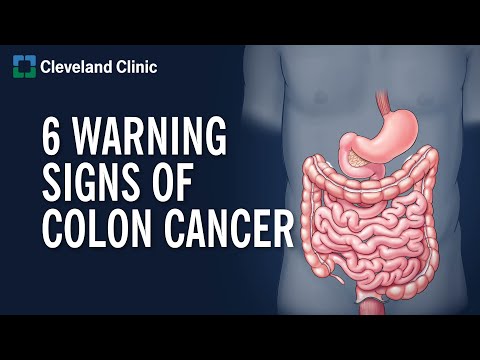
Colon cancer is a condition that affects many people, yet it often goes unnoticed in its early stages. Understanding the key symptoms and signs can be vital for early detection and treatment. Imagine your body as a car; just like you pay attention to warning lights indicating issues, your body sends signals when something isn’t right. Recognizing these signals can make all the difference.
Common symptoms of colon cancer may include changes in bowel habits, unexplained weight loss, persistent abdominal discomfort, or blood in the stool. These signs can sometimes be mistaken for other conditions, which is why they should not be ignored. The earlier colon cancer is detected, the easier it often is to treat.
However, it’s crucial to remember that not everyone will experience obvious symptoms. For some, colon cancer may develop silently without warning until serious complications arise. This includes blockages in the intestines or spread to other organs.
Warning: If you notice any unusual changes in your health or are concerned about your risk for colon cancer, it’s important to seek advice from medical professionals. Educate yourself through various specialists and reliable media sources. Knowledge is power when it comes to your health; don’t hesitate to ask questions and seek clarity on this important topic. Understanding colon cancer could quite literally save your life—or help you support someone you care about.
The information provided in this article is intended solely for general informational and educational purposes. It does not constitute medical advice, diagnosis or professional treatment, and should not be considered a substitute for consultation with a qualified doctor or other licensed healthcare professional. Any health-related decisions should be made in consultation with accredited medical professionals.
While efforts have been made to ensure the information is accurate and up to date, no guarantees are given—either express or implied—regarding its accuracy, completeness, currency or suitability. Use of this information is at your own discretion.
It is strongly recommended to consult official sources such as the NHS (National Health Service) or other recognised medical institutions before acting on any information contained on this website or article. Under no circumstances should professional medical advice be ignored or delayed due to content read here.
This content is of a general and informational nature only. It is not intended to replace individualised guidance from a healthcare professional or to establish any doctor-patient relationship. The publication of this information does not imply any professional responsibility, guarantee or obligation on the part of the author or this site.
Spotting the Early Clues for Better Outcomes
Spotting the early clues of colon cancer can significantly improve outcomes. Awareness of key symptoms and signs is essential. Early detection often means less extensive treatment and better chances for recovery.
Colon cancer develops in the large intestine and is usually slow-growing. This means it might not show obvious symptoms at first. However, there are some warning signs you should not ignore.
Key Symptoms to Watch For:
If you notice these symptoms, it’s important to talk to a healthcare professional. Early intervention can lead to simpler treatment options.
Aside from symptoms, some risk factors increase the odds of colon cancer. These include age (being over 50), family history of the disease, a diet high in red meat or processed foods, and certain lifestyle choices like smoking.
It helps to think of your body like a car. If warning lights start flashing on your dashboard, it’s best not to ignore them. Getting a check-up can prevent bigger issues down the road.
It’s also crucial to keep up with regular screenings as you age. Colonoscopies are tests that can find precancerous polyps before they develop into cancer.
Debunking common myths is equally important. Some may believe that only older people get colon cancer or that it’s only linked with family history—this isn’t true for everyone.
In conclusion, being aware of the early signs and symptoms of colon cancer can lead to better health outcomes. Prioritizing regular check-ups and maintaining open communication about any concerns can be empowering steps toward protecting your health.
Navigating the Everyday Challenges and Changes of Living with Colon Cancer
Living with colon cancer brings unique challenges that can affect daily life. It’s essential to understand these changes to navigate them effectively.
First, let’s talk about symptoms. Early signs might include unexplained weight loss, changes in bowel habits, or blood in the stool. These symptoms can be alarming, but they don’t always mean cancer. It’s crucial to discuss any concerns with a healthcare provider.
Another key aspect is emotional health. A diagnosis can lead to feelings of fear, anxiety, or sadness. Finding a support group or talking with loved ones can help. Sharing feelings makes them easier to bear.
Nutrition also plays a big role. Some may find it challenging to eat due to treatment side effects like nausea or loss of appetite. Focusing on small meals and staying hydrated can make a difference. Think of food as fuel for your body during this tough time.
Physical activity may feel daunting but is often helpful. Even short walks can improve mood and energy levels. It’s like giving your body the gentle push it needs without overwhelming it.
Treatment options vary greatly and depend on each person’s situation. Options may include surgery, chemotherapy, or radiation therapy. Understanding what each entails helps prepare for what’s ahead.
It’s essential to monitor your health. Regular check-ups help catch any complications early on, like blockages or infections. Don’t hesitate to speak up if something feels off; trust your instincts.
Also, consider the impacts on daily routines. Tasks that once seemed easy might become harder due to fatigue or discomfort from treatment side effects. Adapting routines and asking for help when needed is vital.
Lastly, staying informed about colon cancer is empowering but remember that not all information online is accurate or applicable to you specifically! Always confirm facts through trusted sources and discuss them with health professionals.
Navigating life with colon cancer isn’t easy but focusing on these aspects can provide clarity and direction during this journey.
The Hidden Dangers and Consequences of Ignoring Your Health
Ignoring your health can lead to serious consequences, especially when it comes to conditions like colon cancer. It’s often easy to overlook symptoms, thinking they will go away on their own. But taking that approach can be dangerous.
Colon cancer is one of the most common types of cancer. It often develops from polyps in the colon or rectum. These polyps can be present for years without causing any noticeable symptoms. That’s why early detection is crucial.
Here are some key symptoms to watch for:
These signs might seem subtle at first. However, ignoring them can allow the cancer to progress unchecked. Early treatment is often much more effective and can lead to better outcomes.
The consequences of late-stage diagnosis are serious. If caught early, colon cancer has a high survival rate. But if it spreads beyond the colon, treatments become complicated and less effective.
Complications from advanced colon cancer can include:
It’s also important to consider risk factors like family history and lifestyle choices. Diets low in fiber and high in processed foods may increase risk. Regular screenings are essential for those over 50 or with a family history of the disease.
Don’t wait until symptoms worsen. Ignoring health issues may delay necessary treatment and potentially worsen outcomes. Just like you wouldn’t ignore a leaking roof, don’t ignore your body’s warning signs.
Remember that being proactive about your health means more than just reacting when something feels wrong. It includes regular check-ups and being aware of changes in your body.
In conclusion, awareness can save lives. Listen carefully to what your body tells you and consult with a healthcare provider if you notice unusual changes or have concerns about colon health. It’s better to ask questions and seek answers than live with uncertainty about your well-being.
Colon cancer, often silent in its early stages, can present with various symptoms and signs that are crucial to recognize. Understanding these can lead to timely diagnosis and treatment, significantly improving outcomes.
Key Symptoms: Many individuals may experience changes in bowel habits, such as persistent diarrhea or constipation. Blood in the stool is another critical warning sign. Unexplained weight loss and fatigue can also occur. It’s essential to pay attention to these symptoms as they might indicate underlying issues.
Signs of Serious Complications: If colon cancer progresses, it can lead to serious complications like bowel obstruction or perforation. These situations often require immediate medical intervention. Anemia from chronic blood loss due to the tumor can also develop, manifesting as weakness or shortness of breath.
Recognizing these symptoms early allows for more effective management and personalized treatment plans. Regular screenings play a vital role as well, especially for those at higher risk due to age or family history.
In conclusion, awareness of colon cancer’s key symptoms and potential complications is vital for early detection and improved survival rates. It encourages people to seek help promptly when related concerns arise—something we should all take seriously for our health’s sake.