
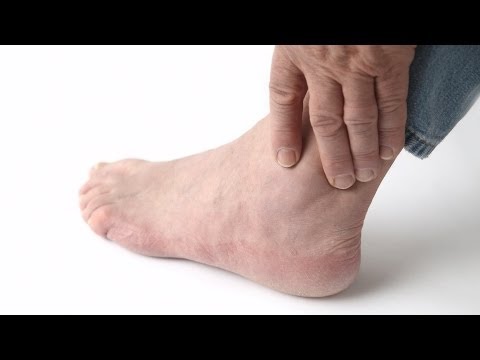
The information provided in this article is intended solely for general informational and educational purposes. It does not constitute medical advice, diagnosis or professional treatment, and should not be considered a substitute for consultation with a qualified doctor or other licensed healthcare professional. Any health-related decisions should be made in consultation with accredited medical professionals.
While efforts have been made to ensure the information is accurate and up to date, no guarantees are given—either express or implied—regarding its accuracy, completeness, currency or suitability. Use of this information is at your own discretion.
It is strongly recommended to consult official sources such as the NHS (National Health Service) or other recognised medical institutions before acting on any information contained on this website or article. Under no circumstances should professional medical advice be ignored or delayed due to content read here.
This content is of a general and informational nature only. It is not intended to replace individualised guidance from a healthcare professional or to establish any doctor-patient relationship. The publication of this information does not imply any professional responsibility, guarantee or obligation on the part of the author or this site.
Have you ever woken up in the middle of the night, your big toe throbbing like it’s been kicked? It’s surprisingly common and could be a sign of gout. Believe it or not, this painful condition has been around for centuries, often nicknamed “the disease of kings” because it was associated with rich foods and excess. But don’t let that label fool you; gout can affect anyone.
This article dives into recognizing gout—its key signs, symptoms, and potential complications. Knowing what to look out for is really important. Gout doesn’t just hurt; it can lead to serious health issues if left unchecked. Understanding this condition helps you take control of your health.
Gout can be tricky because its symptoms may come and go while causing discomfort and confusion. We’ll break it down step by step so you’ll feel empowered to spot any warning signs in yourself or others.
Just a heads up: this article isn’t a substitute for professional medical advice. Health decisions should always involve consulting a healthcare provider who knows your unique situation.
A Fast Track to Relief: Discover Simple Steps for Instant Pain Relief
Understanding Gout: Symptoms and Signs
Gout is a form of arthritis that can cause sudden, severe pain. You know that feeling when you stub your toe? Now imagine that pain multiplied many times over, often in the big toe. This is a common first sign of gout, and it can hit at night when you’re trying to relax.
But what exactly causes this? Well, it’s all about uric acid. Normally, our body breaks down purines—substances found in certain foods and drinks. When the body creates too much uric acid or doesn’t eliminate enough of it, crystals can form in the joints. Ouch!
Recognizing Complications
If untreated, gout could lead to more serious problems over time. Recurrent attacks might happen more frequently and can even lead to chronic arthritis. This simply means ongoing inflammation and pain in the affected joints. It’s no picnic.
You might also develop tophi—these are lumps under the skin made up of uric acid crystals. They usually appear around joints or on the outer edges of your ears and may not hurt at first but could become uncomfortable.
Managing Acute Pain
Okay, so you’re feeling that throbbing pain right now; what can you do? One of the basic steps is resting the affected joint. Think about it like putting ice on a sprained ankle; rest helps reduce strain on it.
Icing can also bring short-term relief! Just apply an ice pack wrapped in a cloth for about 15-20 minutes at a time—but be careful not to make direct contact with your skin; we don’t want frostbite here.
Hydration Matters
Your body needs water to help flush out uric acid. Drinking plenty of fluids can help provide relief from pain associated with gout attacks. Water’s always a good choice!
Dietary Considerations
You might be wondering if food plays any role here—absolutely! Certain foods high in purines like red meats or shellfish could trigger flare-ups for some people.
- Avoiding excessive alcohol, especially beer, is wise.
- Caffeine intake seems to have mixed effects; moderation here may be key!
- A diet rich in fruits and vegetables generally supports overall health.
- Ceratin fruits like cherries have been linked with fewer attacks for some folks!
When to Seek Help
If you’re experiencing repeated attacks or if you’re unsure whether it’s gout or something else entirely—it makes sense to consult with someone knowledgeable about these conditions.
No one should suffer alone—there’s always support out there! Whether that’s talking with friends or reaching out for professional advice, staying informed is incredibly important for managing health conditions like gout.
Unraveling the Mystery Behind Gout: Discover the Root Cause of Your Pain
Understanding Gout
Gout is a form of arthritis that can cause sudden and intense pain. It often targets the big toe but can affect other joints too. The pain typically comes in attacks, when you feel soreness, swelling, and redness around the joint.
What Causes Gout?
At its core, gout happens due to high levels of uric acid in your blood. Uric acid is a waste product from the breakdown of purines, which are found in some foods like red meat, seafood, and even beer.
If your body produces too much uric acid or doesn’t eliminate enough through urine, it can crystallize in your joints. Think of these crystals as tiny needles that can poke at your joints causing excruciating pain.
Recognizing Signs and Symptoms
- Pain: The most obvious sign is severe joint pain that often starts at night.
- Swelling: The affected area tends to swell up and feel tender to the touch.
- Redness: You might notice some redness over the painful joint.
- Lack of Range: Moving the affected joint becomes difficult.
Possible Complications
If gout goes untreated over time, it could lead to complications. One common issue is chronic joint damage where joints become deformed or even lose their range of motion. In some cases, gout can also lead to kidney stones due to high levels of uric acid.
The Role of Lifestyle Choices
Your diet really plays a part in managing gout. Certain foods may trigger attacks while others help keep uric acid levels down. For example, avoiding sugary drinks and limiting alcohol might help manage symptoms better.
A Word on Diagnosis
If you suspect you have gout, it’s essential to talk about it with someone knowledgeable. They might ask about your symptoms and perform tests to check uric acid levels or look for those nasty crystals under a microscope. It’s all about getting you back on track!
The Bottom Line
You needn’t suffer alone if you’re experiencing gout symptoms; awareness is key! Recognizing signs early could save you from future flare-ups. And remember: everyone’s experience with gout is different. Take note of what triggers your attacks—this will help you make informed choices down the line!
Unraveling the Mystery Behind Gout in Women: Key Triggers and Insights
Understanding Gout in Women
Gout is a form of arthritis that can really sneak up on you. It happens when your body has too much uric acid in the blood. Uric acid is a waste product, and when there’s an overload, it can form crystals that settle in joints, causing pain and inflamation.
Women often experience gout differently than men. Although it’s more common in men, post-menopausal women start showing higher levels of uric acid. The hormonal changes during menopause? Yeah, they play a big role.
Recognizing Key Signs
The classic sign of gout is sudden intense pain in a joint. Often, this occurs at night and can feel like someone’s smashing your toe with a hammer—it’s that level of discomfort! The big toe is commonly affected but other joints like the ankles or knees aren’t spared either.
Other symptoms include redness and swelling around the painful area. Sometimes skin over the joint may appear shiny. You might also feel unwell overall; fever and chills can sometimes tag along with this condition.
Main Triggers for Women
- Dietary Choices: Eating foods high in purines—like red meat and seafood—can raise uric acid levels. Even sugary drinks have been linked!
- Sugars: High fructose corn syrup found in many processed foods increases uric acid production.
- Dairy Intake: While low-fat dairy may help lower levels, full-fat options could be problematic.
- Meds: Some diuretics (water pills) used for hypertension can increase uric acid as well.
- Aging: As women age, their kidney function decreases which makes it harder to filter out uric acid properly.
Potential Complications
If not managed well, gout can lead to chronic arthritis or joint damage over time. Imagine having ongoing pain or even disability due to poorly controlled symptoms—definitely not what anyone wants!
A build-up of urate crystals may also form lumps under the skin called tophi. These aren’t just unsightly; they can become painful too if they develop on sensitive areas like fingers or elbows.
A Note on Management
If you’re experiencing these symptoms or have concerns about gout risk factors in your life? Consulting with healthcare professionals is crucial! They can help navigate through treatment options tailored specifically for you—not one-size-fits-all here!
The thing is recognizing triggers early could prevent future flare-ups. Lifestyle choices like staying hydrated and maintaining a healthy diet make an impactful difference too.
No need to panic if you suspect gout! With awareness and proactive measures, managing it becomes easier for many individuals.
Gout is an interesting condition that often arrives unexpectedly, catching many off guard. Essentially, it’s a type of arthritis caused by uric acid crystals forming in the joints. Uric acid comes from the breakdown of purines, substances found in various foods. When levels get too high, they crystallize and cause intense pain.
The key signs to look for generally include sudden, severe attacks of pain—often in the big toe. It might feel like someone is squeezing your joint. The affected area can also become swollen and red; it might be hot to the touch too. This highlights how gout can disrupt a person’s daily life significantly.
Complications can arise if gout isn’t managed well over time. Chronic gout might lead to joint damage or deformity, which complicates movement and quality of life. Kidney stones are another risk; excess uric acid can form painful stones in the urinary tract.
Awareness is key: recognizing these signs early on allows for timely treatment and lifestyle changes that can make a real difference. Diet plays a role here—reducing sugar and alcohol intake, along with eating less red meat or seafood, can really help manage uric acid levels.
So when you think of gout, remember: it’s not just about occasional pain; it’s about understanding how lifestyle choices influence health long-term. Taking preventive measures matters!


