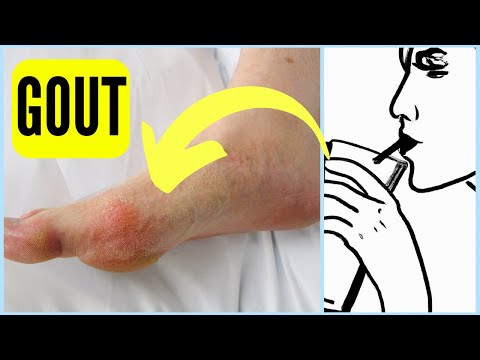
Gout is a condition that many might have heard of but few truly understand. Imagine your foot suddenly feeling like it’s on fire, swollen and painful, especially around the big toe. This intense discomfort can leave you puzzled about what’s happening to your body. Gout happens when uric acid builds up in the blood and forms crystals in your joints, often striking without much warning.
The signs typically show up as sudden attacks of pain, redness, and swelling. You might notice that even the lightest touch feels unbearable. It’s not just an inconvenience; these flare-ups can disrupt your daily life and lead to long-term health issues if left unchecked.
But here’s a crucial point: while understanding gout is essential, it’s equally important to seek guidance from various specialists. Gout can mimic other conditions, so getting a clear diagnosis is key. Be curious, explore different resources, and discuss with healthcare professionals who can provide tailored advice. Your body deserves informed care!
The information provided in this article is intended solely for general informational and educational purposes. It does not constitute medical advice, diagnosis or professional treatment, and should not be considered a substitute for consultation with a qualified doctor or other licensed healthcare professional. Any health-related decisions should be made in consultation with accredited medical professionals.
While efforts have been made to ensure the information is accurate and up to date, no guarantees are given—either express or implied—regarding its accuracy, completeness, currency or suitability. Use of this information is at your own discretion.
It is strongly recommended to consult official sources such as the NHS (National Health Service) or other recognised medical institutions before acting on any information contained on this website or article. Under no circumstances should professional medical advice be ignored or delayed due to content read here.
This content is of a general and informational nature only. It is not intended to replace individualised guidance from a healthcare professional or to establish any doctor-patient relationship. The publication of this information does not imply any professional responsibility, guarantee or obligation on the part of the author or this site.
Identifying the Signs and Symptoms of Foot Gout
Gout is a type of arthritis that can cause sudden and severe pain, often in the foot. Understanding its signs and symptoms is crucial for managing it effectively.
The most common symptom of gout is intense pain, which usually strikes without warning. This pain often happens in the big toe but can affect other parts of the foot too.
Along with pain, you might notice swelling and redness around the affected joint. The area may feel warm to touch as well. It can be quite uncomfortable, making even simple tasks difficult.
Another sign of gout is stiffness in the joint. After an attack, you might find it hard to move your toe or foot normally. This can last from a few days to even weeks.
Gout attacks can be triggered by certain foods—especially those high in purines like red meat and seafood. Alcohol and sugary drinks can also play a role.
If you suspect gout, keeping track of these symptoms can help when talking with a health professional. They may recommend tests to confirm the diagnosis.
Remember: Identifying symptoms early is key to managing flare-ups effectively. Gout management often includes dietary changes, lifestyle adjustments, and possibly medication.
Educate yourself about this condition but also seek advice from relevant sources for tailored help. Always keep critical thinking at the forefront when it comes to your health choices!
Discover quick relief for gout pain and get back on your feet in no time.
Gout is a type of arthritis that can cause severe pain and swelling in the joints, especially in the foot. It often comes on suddenly and can be quite intense. Understanding the signs and symptoms can help you manage this condition better.
Common symptoms of gout include:
When a gout attack strikes, finding quick relief is essential. There are several home remedies and lifestyle changes you might consider.
First, elevate your foot. Keeping your foot raised can help reduce swelling. Resting is also important; give your body time to heal.
Applying ice to the inflamed joint for 15-20 minutes could provide some relief from pain. Be sure to wrap ice in a cloth to avoid direct contact with skin.
Staying hydrated is crucial too. Drinking plenty of water helps flush out excess uric acid—often at the root of gout flares.
Another option is to try over-the-counter medications like ibuprofen or naproxen for pain relief, but be sure to follow dosage instructions carefully.
Dietary changes can help manage gout long-term. Reducing intake of purine-rich foods like red meat, certain fish, and alcohol may decrease future flare-ups.
Some people find that cherry juice helps reduce their gout symptoms due to its anti-inflammatory properties. However, individual results may vary, so it’s worth considering how your body responds.
If gout attacks are frequent or very painful, consulting with a healthcare professional might help you find additional management strategies tailored for you.
Remember that understanding your own body and its reactions is key when dealing with conditions like gout. Listen to what it’s telling you and make informed decisions on how best to respond.
Unveiling the Common Culprit Behind Gout Attacks
Gout can be a painful condition, often affecting the big toe. It’s caused by high levels of uric acid in the blood, which can lead to crystal formation in the joints. These crystals trigger intense inflammation and pain.
One of the most common culprits behind gout attacks is diet. Certain foods are high in purines, which your body converts to uric acid. When uric acid levels rise too high, it can result in a gout flare-up.
Here are some foods to watch out for:
Weight plays a significant role too. Being overweight increases the amount of uric acid your body produces while also making it harder for your kidneys to get rid of it. Losing even a small amount of weight can help lower uric acid levels.
Dehydration is another factor that can worsen gout symptoms. When you don’t drink enough water, your kidneys struggle to remove uric acid effectively. Staying hydrated helps dilute uric acid in your system.
Stress can also trigger flare-ups. When you’re stressed, your body releases hormones that may lead to increased uric acid production. Finding ways to manage stress is key.
Lastly, certain medications might contribute to higher uric acid levels too. If you’re taking diuretics or other medications for conditions like hypertension or heart disease, it’s worth discussing with someone who understands how they interact with gout.
Understanding these triggers empowers you to make better choices regarding your health and lifestyle. Being informed allows you to avoid potential pitfalls that could lead to painful joint issues down the road.
Gout is a type of arthritis that can be incredibly painful and often affects the big toe. Understanding its signs and symptoms is essential for effective management.
A hallmark symptom of gout is sudden, intense pain in the affected joint, often occurring at night. You might compare it to stepping on a sharp object—intense and hard to ignore. Along with pain, affected areas can become swollen, red, and warm to the touch.
It’s crucial to recognize these signs early. Ignoring them can lead to more frequent attacks or chronic issues over time. Interestingly, gout is linked to high levels of uric acid in the blood, which can form crystals in your joints.
Managing diet is vital as well; foods high in purines like red meat and shellfish can exacerbate symptoms. Staying hydrated helps flush out excess uric acid.
In summary, recognizing gout’s signs—sharp pain, swelling, redness—is key for timely treatment and lifestyle adjustments. If you suspect you have gout, consulting a healthcare provider can help guide you toward relief and prevention strategies.