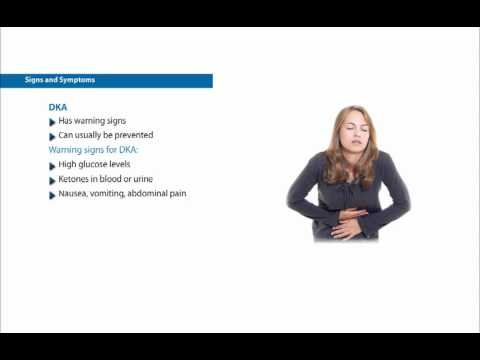
Ketoacidosis is a serious condition that can arise when your body enters a state called ketosis. While some people intentionally follow ketogenic diets to lose weight, ketoacidosis is an unintentional and dangerous situation often linked with diabetes. Here, your body produces too much acid called ketones, leading to imbalances that can affect how your organs function.
Imagine if your car started running on fumes instead of gasoline; it may sputter, stall, or break down. Similarly, when your body runs low on insulin and glucose, it kicks into overdrive, burning fat at an overwhelming rate. This process creates more ketones than it can handle.
Recognizing the signs of ketoacidosis is crucial. Common symptoms include extreme thirst, frequent urination, fatigue, nausea or vomiting, and difficulty breathing. If you notice these signs in yourself or someone else—especially if they have diabetes—acting quickly is essential.
However, understanding ketoacidosis is not just about recognizing symptoms. It’s also about grasping the risks involved. If left untreated, ketoacidosis can lead to severe complications like coma or even death.
**Warning:** Awareness of ketoacidosis and its implications should never be overlooked. Always inform yourself through reliable sources and consult various specialists—your health matters significantly! Empower yourself by seeking knowledge from different media platforms as well to cultivate a well-rounded understanding of this serious condition. Stay curious and vigilant!
The information provided in this article is intended solely for general informational and educational purposes. It does not constitute medical advice, diagnosis or professional treatment, and should not be considered a substitute for consultation with a qualified doctor or other licensed healthcare professional. Any health-related decisions should be made in consultation with accredited medical professionals.
While efforts have been made to ensure the information is accurate and up to date, no guarantees are given—either express or implied—regarding its accuracy, completeness, currency or suitability. Use of this information is at your own discretion.
It is strongly recommended to consult official sources such as the NHS (National Health Service) or other recognised medical institutions before acting on any information contained on this website or article. Under no circumstances should professional medical advice be ignored or delayed due to content read here.
This content is of a general and informational nature only. It is not intended to replace individualised guidance from a healthcare professional or to establish any doctor-patient relationship. The publication of this information does not imply any professional responsibility, guarantee or obligation on the part of the author or this site.
Understanding the Dangers of Ketoacidosis: A Closer Look at the Risks Involved
Ketoacidosis is a serious condition that can happen when the body produces too many ketones. This usually occurs in people with diabetes, especially type 1. But what does this really mean?
When the body doesn’t have enough insulin, it starts breaking down fat for energy. This process produces ketones. A small amount of ketones is normal, but too many can make the blood acidic. Think of it like having too much salt in your soup; it becomes unpalatable and unbalanced.
Here are some key points to understand about ketoacidosis:
Ketoacidosis is not the same as ketosis. Ketosis is a natural metabolic state that occurs during fasting or low-carb diets. Ketoacidosis can happen only when there’s an excess of ketones, which is harmful.
Recognizing the symptoms early is crucial. If you notice signs of ketoacidosis like fruity-smelling breath or confusion, it’s important to seek help right away.
Prevention begins with understanding diabetes management. Keeping regular check-ups and monitoring blood sugar levels are essential steps.
Myths about keto diets often ignore these dangers. Some people may think that ketosis means they are perfectly healthy without considering the risks involved with uncontrolled ketone production.
It’s vital to approach any diet thoughtfully and responsibly. Always consult health professionals if you plan significant changes in your eating habits or have any concerns about conditions like diabetes.
Educating yourself on ketoacidosis empowers you to make informed decisions about your health. Remember: knowledge leads to better choices!
Understanding the Risks and Impact of Ketoacidosis on Your Health
Ketoacidosis is a serious condition that can affect people, especially those with diabetes. It occurs when your body produces high levels of blood acids called ketones. When glucose isn’t available for energy, the body turns to fat as a fuel source. This process can lead to an excess of ketones in the bloodstream.
When there’s too much acid in the blood, it throws off your body’s natural balance. Think of it like having too much salt in your cooking; it just doesn’t taste good and can cause issues if consumed in large amounts. The same goes for the acids in your bloodstream.
There are two main types of ketoacidosis: diabetic and alcoholic. Diabetic ketoacidosis (DKA) is more common and often related to uncontrolled diabetes. Alcoholic ketoacidosis happens from binge drinking without proper nutrition.
Recognizing the signs early is crucial. Common symptoms include:
If these symptoms are present, seeking medical help promptly is important.
In many cases, DKA stems from missed insulin doses, illness, or not managing diabetes properly. Stress and certain medications can also play a role. It’s like ignoring warning lights on your car dashboard; eventually, the problem could become much worse.
The body normally regulates pH levels effectively, but during ketoacidosis, this system fails. If untreated, it can lead to severe complications such as coma or even death.
Treatment usually involves rehydration and insulin therapy to bring glucose levels down while balancing electrolytes in your system. This helps restore that balance we talked about earlier.
Preventing ketoacidosis involves maintaining regular check-ups and closely monitoring blood sugar levels if you have diabetes. Adopting a flexible diet and proper medication schedule is essential too.
It’s important to remember that while some people may explore low-carbohydrate diets for weight loss or other health benefits, understanding how these diets may impact blood sugar regulation is vital. Not everyone will respond similarly to dietary changes.
Ketoacidosis serves as a reminder of how interconnected our bodies are and why careful attention to health matters is essential—especially when managing chronic conditions like diabetes.
In conclusion, educate yourself about this condition’s risks and signs so you can protect yourself or loved ones better. Don’t hesitate to reach out for guidance if you’re unsure about any health changes you notice. Your health journey is important!
Recognizing the Red Flags of a Serious Condition
Recognizing the red flags of a serious condition is crucial for timely treatment. One of those conditions is ketoacidosis, often seen in people with diabetes. It happens when the body can’t use glucose for energy and starts breaking down fat instead.
Ketoacidosis can develop quickly. If you or someone you know has diabetes, being aware of the warning signs is vital.
What should you look for? Here are some key symptoms:
Each of these symptoms can signal that something’s not right. Imagine your body like a car—if it’s running low on gas, it won’t perform well. In this case, when insulin isn’t working effectively, your body produces acids called ketones as an alternative fuel.
These ketones can build up to dangerous levels. Think of it like a drain getting clogged: if not addressed quickly, it will overflow and cause bigger problems.
In severe cases, ketoacidosis can lead to diabetic coma or even death. The key is to act fast if you notice these signs.
Using at-home blood glucose monitors can help track your levels regularly. It’s similar to keeping an eye on fuel levels while driving—prevention is always better than repair.
Don’t ignore persistent symptoms or brush them off as minor issues. If they arise, seek medical advice promptly.
Staying informed about your health and listening to your body helps empower you in making decisions about care. Remember: knowledge is important in taking control of your health journey!
Ketoacidosis is a serious medical condition that arises primarily in individuals with diabetes, particularly Type 1 diabetes. It occurs when the body produces high levels of ketones, leading to acidic blood. Recognizing the signs early can be life-saving.
The hallmark symptoms include excessive thirst, frequent urination, nausea, abdominal pain, and a fruity odor on the breath. These signs may initially appear similar to flu-like symptoms but can escalate quickly if not addressed.
Understanding the risks is crucial. Ketoacidosis can result in severe dehydration and electrolyte imbalances. In extreme cases, it may lead to coma or even death if not treated promptly.
Awareness and education about ketoacidosis are vital for those at risk and their families. By recognizing early symptoms and understanding when to seek medical help, individuals can avoid dangerous outcomes.
It’s also important to dispel myths surrounding dietary approaches that promote ketosis without medical supervision. While some individuals may pursue low-carb diets for weight loss or health benefits, diabetic patients must work closely with healthcare professionals to prevent complications like ketoacidosis.
In summary, proactive education on recognizing the signs of ketoacidosis can empower individuals to take charge of their health while promoting informed decisions regarding diet and disease management.