The information provided in this article is intended solely for general informational and educational purposes. It does not constitute medical advice, diagnosis or professional treatment, and should not be considered a substitute for consultation with a qualified doctor or other licensed healthcare professional. Any health-related decisions should be made in consultation with accredited medical professionals.
While efforts have been made to ensure the information is accurate and up to date, no guarantees are given—either express or implied—regarding its accuracy, completeness, currency or suitability. Use of this information is at your own discretion.
It is strongly recommended to consult official sources such as the NHS (National Health Service) or other recognised medical institutions before acting on any information contained on this website or article. Under no circumstances should professional medical advice be ignored or delayed due to content read here.
This content is of a general and informational nature only. It is not intended to replace individualised guidance from a healthcare professional or to establish any doctor-patient relationship. The publication of this information does not imply any professional responsibility, guarantee or obligation on the part of the author or this site.
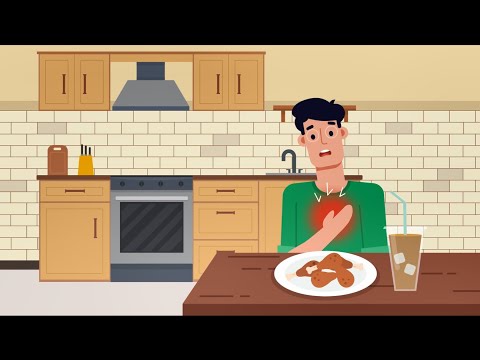
Ever felt that burning sensation in your chest after a big meal? It’s not uncommon; lots of people experience heartburn now and then. But here’s the thing: sometimes, what feels like a simple case of heartburn can be something more serious lurking beneath the surface.
You know, millions of folks confuse heartburn with other conditions, like acid reflux or even heart issues. That’s why it’s super important to pay attention to those signs your body is sending you. This article dives into how to tell if you’re dealing with typical heartburn or if it’s time to seek help.
Understanding these differences can save you from unnecessary anxiety—or worse—missed diagnoses. We want you to feel empowered about your health and recognize when something might need further investigation.
Remember, though, this content isn’t a substitute for professional medical advice. Always consult a healthcare professional before making decisions about your health. Your wellbeing deserves expert attention!
Understanding the Unpredictable Triggers and Remedies for Women
Understanding Heartburn and Its Triggers
Heartburn can feel like a fiery sensation in your chest. It happens when stomach acid flows back into the tube that connects your mouth and stomach, known as the esophagus. So, sometimes it’s really just discomfort from what you ate or drank.
Common triggers include spicy foods, citrus fruits, chocolate, and even stress. You know how when you’re anxious, your stomach feels uneasy? That can be a big part of heartburn too.
When to Worry About Heartburn
Not all heartburn is serious. But if you’re experiencing symptoms like severe chest pain, especially if it spreads to your arms or jaw, that’s worth paying attention to. It’s kind of like ignoring a warning light on your car’s dashboard; at some point you gotta check it out.
Other signs that may signal something more serious are shortness of breath or cold sweats. These could suggest more than just a bad case of heartburn. It might be time to see someone who knows more about these things.
Understanding Symptoms
How do you tell if it’s simply heartburn or something else? Look for patterns in your symptoms. If they happen often after meals and ease up with antacids, it’s probably just common heartburn.
But if they’re persisting or getting worse over time? That’s an indicator to dig deeper into what’s going on inside you.
Simpler Remedies for Everyday Heartburn
You might try smaller meals instead of large ones. Eating slowly can also help; it’s like giving your body the chance to keep up! Be mindful of late-night snacks too; lying down shortly after eating can trigger those uncomfortable feelings.
- Avoid tight clothing around your waist.
- Baking soda mixed with water is sometimes used as a home remedy for relief but should not be overdone!
- Certain herbal teas have been known to soothe an upset stomach too.
The Role of Lifestyle Changes
You don’t need major changes to make a difference—sometimes simple adjustments help alot! For instance, not smoking and reducing alcohol intake are beneficial for many people facing these issues.
If you’re finding that weight is an issue for you specifically, shedding even a few pounds can really relieve pressure on your stomach area!
The Importance of Listening to Your Body
Your body communicates in various ways. If something feels off—or doesn’t go away—don’t brush it aside. It’s okay to seek advice or get checked out by someone who knows how these systems work together.
It’s always better to ask and know than just hope for the best!
Unraveling the Unexpected Triggers of Your Discomfort
Understanding Discomfort: Heartburn vs. Something More Serious
Feeling discomfort in your chest? Yeah, that can be really unsettling. It’s important to know whether it’s just heartburn or if something more serious is going on.
What is Heartburn?
So, heartburn happens when stomach acid flows back up into the esophagus, which is the tube that carries food from your mouth to your stomach. Think of it like a backflow problem in plumbing—sometimes things just don’t go where they should!
This backward flow causes a burning sensation, often right behind the breastbone. It usually hits after eating or when lying down.
Common Triggers
- Spicy foods
- Citrus fruits
- Caffeine
- Alcohol
- Overeating
If you’ve experienced it before, you probably have an idea of what foods or habits might set it off. But watch out—if these triggers become more frequent or intense, it’s time to pay closer attention.
When Should You Worry?
The thing is, sometimes discomfort can be a red flag for something more serious like a heart attack. It’s pretty scary to think about. Symptoms of a heart attack can include:
- Pain radiating to the arms, neck, or jaw
- Dizziness or lightheadedness
- Sweating without a clear reason
- Nausea and vomiting
If you feel any of these alongside chest discomfort, better safe than sorry—consider seeking medical advice.
The Importance of Context
Your overall health history matters too! If you have risk factors like high blood pressure or diabetes, what seems like simple heartburn could need more attention.
Don’t forget about stress and anxiety—they can cause physical symptoms that feel similar to both heartburn and more serious conditions.
A Quick Check-in with Yourself
- Has this discomfort happened before?
- Did it come on suddenly?
- Are there other symptoms occurring at the same time?
- Total strong lifestyle changes lately?
If any answers raise alarm bells for you—like sudden onset pain—you might want to contact someone with knowledge in healthcare for advice.
Your Body’s Signals Matter!
You know yourself best; listen to those signs. Pay attention if symptoms are changing over time or getting worse. Your health isn’t something that should be ignored.
No matter what you’re feeling, asking questions and seeking clarity is always wise!
Unraveling the Everyday Triggers Behind Your Discomfort
Understanding Heartburn and Its Triggers
Heartburn feels like a burning sensation in your chest. It often occurs after eating, or when you bend over or lie down. But sometimes, it can be more than that. So, how do you know if it’s just heartburn or something else altogether?
Common Causes of Heartburn
You know, heartburn usually happens when the acid from your stomach comes up into your esophagus—that’s the tube that connects your mouth to your stomach. This could be due to certain foods like spicy dishes, citrus fruits, or fried items. Even drinks like coffee and soda can trigger discomfort.
Hey, stress can play a role too! When we’re stressed out, our bodies produce extra acid. That’s why some people notice more heartburn in tough times.
When to Pay Attention
If you experience heartburn occasionally after heavy meals, it’s often nothing serious. But if it’s frequent—like more than twice a week—you might want to look into it further.
Another thing is the nature of the pain; if it feels different than what you’re used to—like sharp or sudden—that’s definitely worth checking out. Look out for symptoms like shortness of breath or jaw pain too.
A Closer Look at Symptoms
- If you’re feeling intense chest pain that lasts longer than a few minutes.
- Pain radiating to the arm, neck, or jaw—not just discomfort in your chest.
- Nausea coupled with sweating—which could point to something more serious.
- Bloating along with persistent heartburn that doesn’t go away easily.
Why Timing Matters
The timing of your symptoms can provide clues as well. If they happen soon after eating but aren’t going away with over-the-counter remedies, you might need a professional opinion.
Keep an Eye on Your Diet
Notice how specific foods affect you? It’s helpful! Try keeping a food diary where you jot down what you eat and any symptoms afterwards. This can help identify triggers without much hassle.
It Might Be Something Else
Sometimes what feels like heartburn may actually be indicative of other conditions such as gastroesophageal reflux disease (GERD) or even issues related to the gallbladder or pancreas. That’s why getting checked is key!
Taking Action
If you’ve noticed changes in how often you’re experiencing discomfort—or if anything seems unusual—it’s smart to reach out for advice from someone who knows more about these things.
This isn’t about panicking; instead it’s about being proactive concerning your health and making sure everything’s alright!
How to Tell If It’s Heartburn or Something More Serious
Heartburn is a common issue many people experience, right? It’s that uncomfortable burning sensation in your chest, often after eating. Usually, it’s tied to acid reflux, which happens when stomach acid flows back into the esophagus.
However, sometimes heartburn can mask more serious conditions. Differentiating between simple heartburn and something like a heart attack can be tricky. For instance, if you also feel pain radiating to your arm or jaw, that might signal an emergency.
Other signs to watch for include shortness of breath, severe pain in the abdomen or back, or persistent nausea. These symptoms could indicate issues like gallbladder problems or even an ulcer.
If heartburn becomes recurrent and disrupts daily life, it’s a good idea to consult a healthcare professional. Treatments may vary depending on the underlying cause. Lifestyle changes—like diet management and stress reduction—can make a huge difference.
The key takeaway is this: pay attention to your body. Listen to what it’s telling you. And if something feels off for too long or keeps coming back, don’t hesitate to seek help.