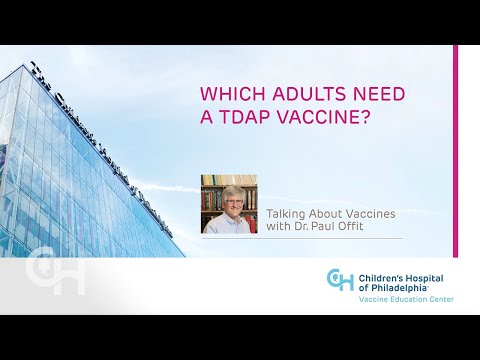
Vaccines are one of the most powerful tools we have to protect our health. Among them, the DTaP and Tdap vaccines are particularly important for preventing serious diseases like diphtheria, tetanus, and pertussis (whooping cough). Understanding how these vaccines work can empower you to make informed choices for yourself and your family.
The DTaP vaccine is designed for young children, typically given in a series of shots during infancy and early childhood. On the other hand, Tdap is a booster shot recommended for older children, teens, and adults. Both vaccines stimulate the immune system to recognize these dangerous bacteria, so if you encounter them later in life, your body knows how to fight back.
Imagine your immune system as an army. The DTaP and Tdap vaccines train this army to recognize specific enemies—diphtheria’s toxins or tetanus bacteria—so it can respond quickly if they’re encountered again. This training keeps you and those around you safe from outbreaks of these potentially fatal diseases.
However, it’s essential to approach vaccine information with caution. While both DTaP and Tdap benefits are well-supported by science, misinformation can spread easily. Always seek out accurate information from credible sources such as healthcare professionals or established health organizations. Stay curious—explore various specialists’ perspectives and trusted media outlets to ensure you’re making informed decisions about vaccinations for yourself and your loved ones. Your health journey deserves careful consideration!
The information provided in this article is intended solely for general informational and educational purposes. It does not constitute medical advice, diagnosis or professional treatment, and should not be considered a substitute for consultation with a qualified doctor or other licensed healthcare professional. Any health-related decisions should be made in consultation with accredited medical professionals.
While efforts have been made to ensure the information is accurate and up to date, no guarantees are given—either express or implied—regarding its accuracy, completeness, currency or suitability. Use of this information is at your own discretion.
It is strongly recommended to consult official sources such as the NHS (National Health Service) or other recognised medical institutions before acting on any information contained on this website or article. Under no circumstances should professional medical advice be ignored or delayed due to content read here.
This content is of a general and informational nature only. It is not intended to replace individualised guidance from a healthcare professional or to establish any doctor-patient relationship. The publication of this information does not imply any professional responsibility, guarantee or obligation on the part of the author or this site.
Understanding the Shield: How DTaP Keeps Your Child Safe from Dangerous Diseases
Vaccines play a vital role in keeping our children healthy. One of the important vaccines is the DTaP, which protects against three serious diseases: diphtheria, tetanus, and pertussis (whooping cough).
Diphtheria is a bacterial infection that can cause a sore throat, fever, and weakness. In severe cases, it can block breathing passages.
Tetanus isn’t something you catch from another person. It’s caused by bacteria found in soil and dust. It leads to painful muscle stiffness, especially in the jaw and neck.
Pertussis is highly contagious and spreads easily through coughing or sneezing. It causes severe coughing fits that can be hard for infants to recover from.
Getting the DTaP vaccine helps *your child* build immunity to these diseases without actually getting sick. This is similar to how putting on a raincoat helps keep you dry during a storm.
The DTaP vaccine is usually given in five doses during childhood: at 2 months, 4 months, 6 months, 15-18 months, and then again between ages 4-6 years. Each dose strengthens their protection against these diseases.
After receiving the vaccine, some kids may experience mild side effects like fever or pain at the injection site. These are normal reactions indicating that the body is building protection.
It’s important to understand that while vaccinations greatly reduce risk of these diseases, they can’t provide absolute immunity to every case out there. However, they decrease chances significantly for your child and those around them.
There are common myths about vaccines leading to health issues like autism or chronic illnesses; research has consistently debunked these claims over decades of studies.
To protect not just your child but also other children around them—especially those who can’t get vaccinated—keeping up with vaccination schedules is crucial.
Talk with trusted healthcare providers about any questions or concerns you may have regarding vaccines. They can help clarify information and support informed decisions for your child’s health.
By understanding how DTaP works as a shield against dangerous diseases, you empower yourself as a parent to make knowledgeable choices for your child’s wellbeing!
Explore the Lifesaving Benefits of the Tdap Vaccine
The Tdap vaccine is an important tool for preventing serious diseases. It guards against three illnesses: tetanus, diphtheria, and pertussis (whooping cough). Each of these conditions can lead to severe health issues.
Tetanus is caused by a bacteria found in soil and dirt. It can enter the body through cuts or wounds. The toxin it produces affects the nervous system and can lead to muscle stiffness or spasms.
Diphtheria is another bacterial infection that affects the throat and nose. Symptoms often include sore throat, fever, and swollen glands. In severe cases, it can lead to breathing difficulties or heart problems.
Pertussis, commonly known as whooping cough, is highly contagious. It causes uncontrollable coughing fits that can make it hard to breathe. This illness can be particularly dangerous for infants.
Getting vaccinated with Tdap helps protect not just yourself but also those around you, especially vulnerable populations like babies and elderly individuals.
Here are some key benefits of the Tdap vaccine:
Vaccines work like a practice run for your immune system. They expose your body to a harmless part of the virus or bacteria so your immune system recognizes it in case of real exposure.
It’s important to keep up with booster shots as immunity can fade over time. The Centers for Disease Control and Prevention recommends getting a Tdap booster every ten years at least.
There are many myths about vaccines circulating today. One common myth is that vaccines cause illness. In reality, vaccines prepare your body without making you sick from the disease itself.
Educating ourselves on vaccines like Tdap enables us to make informed decisions about our health and well-being. Always consult with healthcare professionals if you have specific questions or concerns about vaccinations or health practices.
In summary, the Tdap vaccine plays a crucial role in public health by preventing three potentially life-threatening diseases. Staying updated on vaccinations helps keep our communities safer for everyone.
Understanding the Key Differences Between Childhood and Adult Vaccinations
Vaccinations are a crucial part of public health. They protect us from various diseases and help keep communities safe. However, the vaccines we receive change as we grow from childhood into adulthood. Understanding these differences is important for making informed health decisions.
In childhood, we get a series of vaccines to build our immunity. The DTaP vaccine is one of the first ones given to infants and young children. It helps protect against three serious diseases: diphtheria, tetanus, and pertussis (whooping cough). These diseases can be particularly severe in kids.
As children age, their bodies start to need different dosages or types of vaccines. For example, Tdap is another vaccine that covers the same diseases but is meant for older kids and adults. This vaccine is usually given around ages 11 or 12.
Key differences between DTaP and Tdap:
The timing of vaccinations matters too. Childhood vaccines are spaced out over several months or years. This gives a gradual buildup of protection as the child’s immune system develops.
In contrast, adult vaccinations like Tdap may not be given as often but are still essential for ongoing protection. Adults who work with infants or those who have weakened immune systems should be up-to-date on their vaccines.
It’s also worth noting that some myths exist around vaccines. Some people think they don’t need boosters after childhood because they were vaccinated before. In reality, our immunity can fade over time, making it essential to get those booster shots.
Understanding the differences between these two vaccination types helps individuals stay informed about their health needs throughout life. Keeping vaccination schedules current not only protects you but also safeguards those around you, especially vulnerable populations like babies and elderly individuals.
When considering vaccinations, it’s always wise to discuss with a healthcare provider about what’s best tailored for your needs at every stage in life. Remember that staying educated empowers you to make responsible health choices!
The DTaP and Tdap vaccines play a crucial role in safeguarding public health by protecting against three serious diseases: diphtheria, tetanus, and pertussis (whooping cough). Understanding the differences and similarities between these vaccines is key to making informed health decisions.
DTaP is primarily for children under seven years old. It provides a strong immune response to all three diseases. In contrast, Tdap is recommended for older children, teens, and adults. It serves as a booster to maintain immunity throughout life.
Both vaccines are essential as they reduce the incidence of these diseases. Diphtheria can cause severe throat infections leading to breathing difficulties. Tetanus leads to painful muscle stiffness and can be life-threatening. Pertussis is especially dangerous for infants, causing severe coughing fits that can lead to hospitalization.
Ensuring proper vaccination schedules not only protects individuals but also creates herd immunity, which helps shield those who cannot be vaccinated due to medical reasons.
In conclusion, embracing the DTaP and Tdap vaccines protects personal health while contributing to community safety. Staying informed about vaccination schedules and recommendations encourages proactive health management for ourselves and our loved ones.