The information provided in this article is intended solely for general informational and educational purposes. It does not constitute medical advice, diagnosis or professional treatment, and should not be considered a substitute for consultation with a qualified doctor or other licensed healthcare professional. Any health-related decisions should be made in consultation with accredited medical professionals.
While efforts have been made to ensure the information is accurate and up to date, no guarantees are given—either express or implied—regarding its accuracy, completeness, currency or suitability. Use of this information is at your own discretion.
It is strongly recommended to consult official sources such as the NHS (National Health Service) or other recognised medical institutions before acting on any information contained on this website or article. Under no circumstances should professional medical advice be ignored or delayed due to content read here.
This content is of a general and informational nature only. It is not intended to replace individualised guidance from a healthcare professional or to establish any doctor-patient relationship. The publication of this information does not imply any professional responsibility, guarantee or obligation on the part of the author or this site.
Ever thought about how a missing tooth can affect your smile? It might seem small, but those gaps can make a big difference in your confidence and oral health. A lot of people face this issue, and that’s where dental solutions come into play. One popular option is the cantilever dental bridge.
This type of bridge uses a unique design to fill in the gap left by a lost tooth. But you know, it’s not just about aesthetics; it can also help maintain proper alignment and support overall mouth health. If you’ve been curious about what this means for you or someone you care about, keep reading.
In the following article, we’ll break down everything you should know about cantilever dental bridges. We’ll explore how they work, their benefits and potential downsides. Understanding these options can empower you to make informed decisions about your oral health.
Just remember: while this information is here to guide you, it doesn’t replace professional medical advice. Always consult with a healthcare expert when making decisions related to your health.
Understanding the Risks and Limitations of Dental Cantilever Bridges
Dental cantilever bridges are a solution for replacing missing teeth. They’re designed to support one or more artificial teeth by anchoring to adjacent teeth on just one side. Sounds simple, right? But there are risks and limitations to consider.
What Are the Common Risks?
First, there’s the risk of stress on the supporting tooth. Since these bridges only attach on one side, they can put extra pressure on that anchor tooth. Over time, this might lead to damage or even tooth loss.
Another thing is gum health. The area around the cantilever bridge could become irritated if not cleaned properly. Poor hygiene can cause gum disease or bad breath, really not what you want!
The Possibility of Shifting
Sometimes, these bridges can shift due to changes in your mouth over time. If the supporting tooth moves or shifts slightly because of wear and tear, it can affect how well the bridge stays in place.
Aesthetic Concerns
You know how important that natural look is? Sometimes cantilever bridges might not blend perfectly with your other teeth. Color matching is key but sometimes it doesn’t go as planned.
Longevity Issues
Cantilever bridges aren’t permanent solutions—they require maintenance. They may last several years, but they will eventually need replacements or adjustments.
Financial Considerations
Cost is another factor to think about. These bridges can be pricey upfront and may take some time before you see value from them compared with other options like implants.
The Best Candidates
Candidacy for a cantilever bridge isn’t for everyone either. People with strong adjacent teeth are usually better suited for this option; if those teeth aren’t stable enough, it could lead to issues down the line.
No Substitute for Professional Advice
If you’re thinking about getting a cantilever bridge or already have concerns about one, reach out to a dental professional who understands your specific situation best. They will provide personalized guidance tailored just for you.
The bottom line is that while cantilever bridges can be effective in restoring smiles and function, understanding their risks helps in making better decisions about your oral health.
Understanding the Investment in Your Smile: A Closer Look at Cantilever Bridge Dental Expenses
Understanding Cantilever Bridges and Their Costs
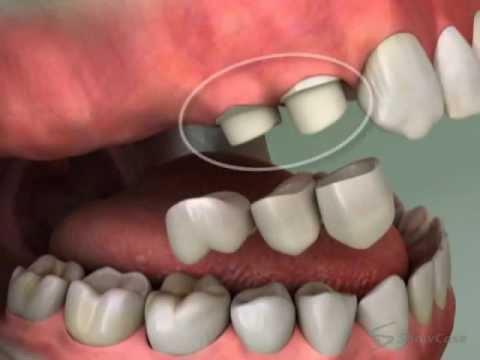
A cantilever dental bridge is a type of prosthetic device used to replace missing teeth. This bridge is unique because it attaches to only one side of the gap. Imagine a diving board; it’s anchored on one end and hangs out over the side. That’s kinda how a cantilever bridge works.
So, why would someone choose a cantilever bridge? Often, they’re picked when there are healthy teeth on just one side. They are generally easier to place than other types of bridges. Just remember, it’s important to consider if your mouth’s structure can support it.
Costs Associated with Cantilever Dental Bridges
Now let’s talk cash. The costs for a cantilever dental bridge can vary widely based on several factors. For starters, your location matters—prices in cities can be higher than in rural areas.
- The Material: Bridges can be made from various materials like porcelain, metal, or combinations of both. Porcelain tends to look more natural but might cost you more.
- The Dentist: Different dentists have different fees based on their experience and services offered.
- X-Rays and Exams: Before getting any procedure done, you usually need exams or X-rays—and that adds to the bill!
An average price range for a cantilever bridge is typically between $1,000 and $3,500 per tooth affected. While that might sound steep at first glance, consider it an investment in your oral health and overall confidence.
Insurance Coverage
If you have dental insurance, check if they cover part of the costs! Some plans may help with expenses related to bridges or even specific procedures leading up to getting one.
Also keep in mind that not every policy covers everything fully; it’s crucial to review what yours includes before making decisions!
Caring for Your Bridge
A cantilever bridge may require some extra attention when it comes to care. Regular brushing and flossing are essential—just like with natural teeth! It seems tedious sometimes, but good hygiene helps ensure longevity for your investment.
If you notice anything unusual with your bridge—a loose fit or discomfort—it’s best not to wait too long before consulting your dentist about it.
The Bottom Line
A cantilever dental bridge isn’t just about replacing a missing tooth; it’s about restoring functionality and enhancing your smile! Yes, the costs may feel significant at first glance but think about how much happier you might feel smiling confidently again.
You know? Investing in oral health pays off in ways beyond just aesthetics. So weigh all options carefully—you deserve it!
Captivating Visuals of Innovative Dental Solutions
Cantilever Dental Bridge: What You Should Know for Oral Health
If you’re missing a tooth or two, you might have heard about dental bridges. One type is the cantilever dental bridge. It sounds fancy, but let’s break it down. Imagine you have a gap in your fence where a few wooden planks are missing; a cantilever bridge works like adding support on one end to hold up the other end.
A cantilever dental bridge has an artificial tooth supported by one or more natural teeth on only one side. This differs from traditional bridges, which need support on both sides. So, when you’re looking at your options, consider how many teeth you’re missing and where they are located.
- Benefits: They can be less invasive since they don’t require as much alteration to surrounding teeth.
- Limitations: If there isn’t a strong enough tooth to anchor it, this option might not work for everyone.
You might wonder why people choose them. Often it’s because they blend into the smile nicely and help preserve facial structure. Just think of it like filling in a puzzle piece; the goal is to make your smile whole again.
However, like all dental solutions, there are things to consider regarding maintenance and durability. Proper oral hygiene—like brushing and flossing—is crucial. Neglect can lead to issues like gum disease around the supporting teeth.
Some folks worry about aesthetic appeal too; after all, nobody wants their bridge looking artificial! Material choices such as porcelain can help make it look more natural. It’s just like choosing paint colors for your living room – some shades just feel right and match better with everything else around.
Caring for Your Cantilever Bridge
With any dental work, care is key! Regular visits to your dentist are important because they’ll monitor your bridge and surrounding tooth health over time. If there are problems developing underneath, catching them early is super important.
You’ll need to be mindful during food selection too—hard or sticky foods could pose challenges even if they’re delicious! Take them into account before munching away.
- Dental Cleaning: Brushing twice daily is essential!
- Flossing: Use special floss designed for bridges – it makes life easier!
The best path forward in making choices about oral health often involves discussing preferences with someone knowledgeable in dentistry—you know? They can listen to your situation and recommend what’s best suited for you specifically based on individual needs.
The takeaway? A cantilever bridge could restore both functionality and aesthetics of your smile when implemented correctly—and understanding what that means helps make informed decisions!
Cantilever dental bridges are a common solution in dentistry for replacing missing teeth. They are designed to support one or more replacement teeth while being anchored to just one side, which can be beneficial in certain situations.
The key element of a cantilever bridge is that it relies on the existing teeth—usually adjacent to the gap—to provide support. This means that, unlike traditional bridges that use two anchors, cantilevers need only one strong anchor tooth. Imagine a shelf hanging from a wall with only one bracket; it’s sturdy if installed properly but may have limitations on weight and balance.
Working with this design has its pros and cons. On the plus side, they’re often easier and quicker to customize. However, they may place extra stress on the supporting tooth since the load isn’t evenly distributed like it would be in a traditional bridge.
Oral health professionals usually consider factors like gum health and bone density before recommending this type of bridge. It’s crucial for patients to understand these aspects as well; knowing the anatomy of their mouth can help them make informed decisions about their dental care.
Speaking frankly, misinformation about dental procedures often leads patients to hold off on necessary treatments. Emphasis should be placed on open communication with your dentist about which bridging option is best for you based on your unique situation.
In summary, cantilever dental bridges offer an effective way to restore smiles but require careful consideration regarding their fit within one’s overall oral health plan.