The information provided in this article is intended solely for general informational and educational purposes. It does not constitute medical advice, diagnosis or professional treatment, and should not be considered a substitute for consultation with a qualified doctor or other licensed healthcare professional. Any health-related decisions should be made in consultation with accredited medical professionals.
While efforts have been made to ensure the information is accurate and up to date, no guarantees are given—either express or implied—regarding its accuracy, completeness, currency or suitability. Use of this information is at your own discretion.
It is strongly recommended to consult official sources such as the NHS (National Health Service) or other recognised medical institutions before acting on any information contained on this website or article. Under no circumstances should professional medical advice be ignored or delayed due to content read here.
This content is of a general and informational nature only. It is not intended to replace individualised guidance from a healthcare professional or to establish any doctor-patient relationship. The publication of this information does not imply any professional responsibility, guarantee or obligation on the part of the author or this site.
Have you ever wondered why your skin reacts differently to products than your friend’s? It’s a common puzzle. One person’s miracle cream might leave you with a breakout. Why is that? Well, it all comes down to something as fundamental as your skin type.
Understanding your skin type can make a real difference in how you care for it. Think of it like knowing if you’re a morning person or a night owl—it helps you tailor your routine for better results. Whether your skin is oily, dry, or somewhere in between, recognizing its unique needs is crucial for overall health and wellness.
This article aims to help you identify your skin type and why it matters beyond just vanity. We’ll explore the different types and share some insights on how to care for each one effectively.
Remember though—this content doesn’t replace professional medical advice. It’s always best to consult with a healthcare professional before making any health-related decisions based solely on what you read online.
Discover Your Perfect Skincare Routine in Just a Few Simple Steps
Understanding Your Skin Type
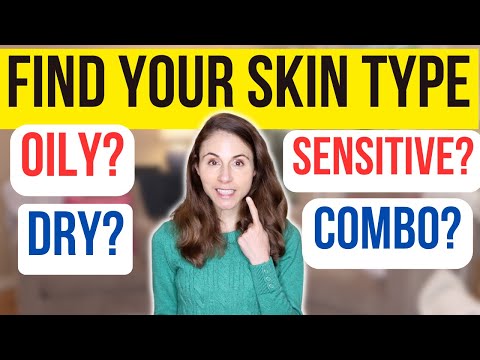
Hey, figuring out your skin type is like understanding your personality. It helps you choose the right products to keep your skin happy and healthy. There are generally four main skin types: oily, dry, combination, and sensitive.
- Oily skin: This type often looks shiny and may have enlarged pores. If you find yourself battling breakouts, this might be you. Think of it like a greasy pan that needs a good scrub.
- Dry skin: This can feel tight or even rough. You might notice flakiness or red patches. It’s like a desert—definitely needs some hydration!
- Combination skin: Here’s where things get interesting! You may find your forehead and nose a bit oily while your cheeks are dry. It’s pretty common, so don’t worry if this sounds familiar.
- Sensitive skin: If your skin reacts easily to products or environmental factors, you might fall into this category. Think of it as being the delicate flower in a garden.
How to Identify Your Skin Type
You can start by observing how your skin behaves throughout the day. Wash your face with a gentle cleanser and wait for about an hour without applying any products.
- If it feels greasy all over: likely oily.
- If it feels tight or has some flaky areas: chances are dry.
- If the T-zone (forehead, nose, chin) is oily but cheeks feel normal or dry: that’s combo.
- If it’s red or stings with certain products: probably sensitive.
Caring for Each Skin Type
Once you’ve identified your type, it’s time to find the right routine. For oily skin, look for lightweight gels that don’t clog pores; they help manage excess oil without drying out too much.
If you have dry skin, reach for creamy moisturizers infused with ingredients like hyaluronic acid—it attracts moisture! Combination? Try balancing formulas that hydrate without overwhelming the oilier areas.
Sensitive skin deserves extra love; fragrance-free products are usually gentler and better tolerated. Always patch-test new items first though; it’s kind of like tasting before committing to dessert!
The Importance of Regular Routine
This isn’t just about finding one magical product; sticking to a daily routine makes all the difference over time! Cleanser in the morning and evening can help remove dirt and oils while keeping everything fresh.
A moisturizer will lock in hydration afterwards—you know how plants perk up after watering? That’s kind of what happens here too!
Paying Attention to Changes
Your skin can change due to seasons, diet, stress levels—you name it! It’s crucial to listen to what it’s telling you. What worked last year might not work now because just like us humans—skin evolves!
A Final Thought on Myths
You might hear myths about skincare routines being complicated or needing tons of steps—that’s simply not true! Simple routines focusing on cleanliness and hydration tend do wonders most of the time.
This whole process is about understanding what works for YOU—not everyone else! So take time exploring different products until something feels just right under that beautiful complexion of yours!
Discover Your Unique Skin Needs with This Fun Quiz
Understanding your skin type is super important for taking care of your skin. It’s like figuring out your body’s personal needs, you know? Everyone’s skin is different. Sometimes, it can be tricky to figure out what you need. But hey, quizzes can make it a bit more fun!
Why Skin Type Matters
Your skin type affects how you should care for it. There are generally four skin types: oily, dry, combination, and sensitive. Each one has unique traits. For example, oily skin often shines and may have larger pores. Dry skin may feel tight or flaky.
Think about this: if you have dry skin but use products meant for oily skin, that could actually make things worse! Knowing what your type is helps avoid unnecessary irritation.
The Fun Quiz Approach
A quiz about your skin can ask simple questions about how it feels or reacts to products. You might be asked: does your face feel oily by end of the day? Or does it often itch? These questions help sort out different traits.
Imagine the quiz as a conversation with a buddy who wants to get to know you better—it’s less intimidating that way!
Identifying Your Skin Type
- Oily Skin: If you’re noticing shine in the T-zone (forehead and chin) throughout the day.
- Dry Skin: When patches appear or you feel tight after washing your face.
- Combination Skin: A mix of both—maybe oily in some areas but dry in others.
- Sensitive Skin: Any redness or burning after using certain products can signal this type.
The Importance of Proper Care
Caring for your specific type is key to keeping your skin healthy and glowing. Using wrong products can lead to breakouts or dryness—nobody wants that!
If you’re ever unsure about something mentioned in a quiz, trust that it’s okay to seek advice from others too. Friends or family often see things we miss.
A Quick Reminder
This quiz isn’t an all-encompassing solution, just a fun starting point! Don’t forget that changes in weather or age can also affect our skins.
Sometimes factors like diet and stress play roles too!
The Bottom Line
Your unique needs deserve attention! Taking time to learn about them through quizzes makes the process lighter and enjoyable.
So go ahead—dive into discovering what works best for you!
Discover the Perfect Match for Your Unique Skin Needs
Identifying Your Skin Type
Hey, so let’s talk about skin types. It’s really important to know what kind of skin you have. This way, you can choose the right products that suit your needs. There are generally four main types: oily, dry, combination, and sensitive.
Oily Skin
If your face often looks shiny, especially in the T-zone (that’s your forehead and nose), you might have oily skin. It tends to produce more sebum, which is an oil secreted by your skin’s glands.
This can lead to clogged pores and acne. Imagine a fried egg—just too much oil! But hey, the good side is that oily skin often ages slower than others.
Dry Skin
Now let’s chat about dry skin. If your skin feels tight or rough, you’re probably dealing with dryness. Sometimes it can even feel flaky or become itchy.
This happens when your skin loses moisture or doesn’t create enough oil to keep itself hydrated. Think about a desert—the sand is dry because there’s no water!
Combination Skin
If one area of your face feels oily while another part feels dry or normal, you’re likely experiencing combination skin. This type can be tricky because you need different care for each area.
You might find that certain products work perfectly on one part but not on another. It’s like having two different climates in one place!
Sensitive Skin
Sensitive skin can react strongly to products or environmental factors—you know? Things like redness, itching or burning sensations are common signs. This type requires extra gentle care.
You may want to avoid harsh ingredients and stick with calming options instead; think of it as if you’re handling a delicate flower.
Your Unique Needs
- Know Your Routine: Take some time to pay attention how your skin reacts to various products.
- Patching Products: Always patch-test new skincare items on a small area first before applying them widely.
- Your Environment Matters: Factors like weather and humidity can influence how your skin behaves too!
The thing is understanding these differences helps you choose what works best for you! Don’t be afraid to experiment with different routines till you find something that feels right—just remember patience is key here!
The Importance of Ingredients
You also might wonder about ingredients in skincare products — they’re pretty important! Look for humectants like hyaluronic acid for hydration if dryness is an issue.
- If it’s oily skin you’re dealing with, non-comedogenic products might be helpful; they won’t clog pores!
Sensitivity calls for calmers like aloe vera or chamomile—you know? Anything soothing would be ideal here!
A Few Final Thoughts
Your journey with skincare takes time and some trial-and-error along the way—this is completely normal! Just stay mindful of how each product makes your unique needs feel over time.
Remember that understanding yourself helps create a routine that truly matches who you are under the surface too!
Understanding your skin type is more than just a beauty concern; it plays a big role in your overall health and wellness. Skin types can vary, from oily to dry, sensitive to combination. Identifying your skin type helps you choose the right products and routines.
For instance, oily skin might need lightweight, non-comedogenic products to prevent breakouts. On the other hand, dry skin often benefits from richer moisturizers that protect against moisture loss. Knowing if you’re sensitive also means avoiding harsh chemicals that could lead to irritation.
This knowledge extends beyond cosmetics too. Certain skin types may have higher risks for conditions like eczema or acne. Recognizing this early on allows for better management and treatment options. You know, even lifestyle choices like diet and hydration can impact how your skin looks and feels.
So, next time you think about skincare routines, remember it’s not just about looking good; it’s about feeling good in your own skin! Taking a little time to understand what works best for you can lead to significant improvements in both health and self-esteem.