The information provided in this article is intended solely for general informational and educational purposes. It does not constitute medical advice, diagnosis or professional treatment, and should not be considered a substitute for consultation with a qualified doctor or other licensed healthcare professional. Any health-related decisions should be made in consultation with accredited medical professionals.
While efforts have been made to ensure the information is accurate and up to date, no guarantees are given—either express or implied—regarding its accuracy, completeness, currency or suitability. Use of this information is at your own discretion.
It is strongly recommended to consult official sources such as the NHS (National Health Service) or other recognised medical institutions before acting on any information contained on this website or article. Under no circumstances should professional medical advice be ignored or delayed due to content read here.
This content is of a general and informational nature only. It is not intended to replace individualised guidance from a healthcare professional or to establish any doctor-patient relationship. The publication of this information does not imply any professional responsibility, guarantee or obligation on the part of the author or this site.
Introduction
Have you ever sneezed and felt a sharp pain in your chest? It might just be that you’ve hurt your rib. A broken rib is more common than you’d think—especially if you’ve ever taken a fall or had an accident. You know, ribs are like the protective cage around our vital organs, so when one breaks, it can be pretty uncomfortable.
This article will help you identify if you have a broken rib and how to care for it. Honestly, understanding the signs can make all the difference in your recovery. We’ll talk about symptoms—like pain when breathing or tender spots on your chest—and what steps you should take to heal properly.
It’s so important to recognize that while this information is helpful, it doesn’t replace professional medical advice. Always consult a healthcare provider for health decisions. They can give you personalized guidance based on your situation.
So let’s dive into this topic together and clear up any concerns you might have about broken ribs!
Speed Up Your Recovery and Get Back to Your Life Sooner
Understanding Broken Ribs
So, you’ve might have heard about broken ribs. It’s a pretty common injury, often caused by falls or accidents. When a rib breaks, it can be painful and might make breathing uncomfortable. But let’s break it down a bit.
How to Identify a Broken Rib
The first sign of a broken rib is typically sharp pain at the site of the injury. You might feel worse when taking deep breaths, sneezing, or coughing. Sometimes, you could even hear or feel a crack at the moment of impact.
Don’t forget about swelling or bruising around your chest area. A simple way to check if it’s serious is to see if you’re having trouble breathing normally.
Caring for Yourself at Home
If you suspect you have a broken rib—it’s generally smart to rest and avoid activities that could worsen the injury. Ice packs can help with swelling; just remember to wrap them in cloth so your skin doesn’t get too cold.
Pain management is really important too. Over-the-counter pain relievers like ibuprofen or acetaminophen can help ease discomfort. Make sure to follow any dosing instructions on the package.
Breathing Exercises
You might think resting means doing nothing at all, but it’s essential to take deep breaths regularly. This actually helps prevent lung complications like pneumonia, which can happen when you’re not taking full breaths due to pain.
A simple exercise is to take slow, deep breaths every hour—just 10 seconds each time. It’s kind of like when you blow up a balloon; you want your lungs fully inflated!
When to Seek Medical Attention
If pain gets worse over time or if it’s accompanied by trouble breathing—no joke—it’s time for medical help. Also look out for fever or coughing up blood; those are signs that something else may be going on.
A Few Tips on Recovery
- Rest as much as possible but try not stay completely inactive.
- Avoid heavy lifting or intense workouts until you’re healed.
- Your body needs good nutrition; think protein-rich foods!
- Stay hydrated; water’s super important for healing things up quickly!
- Listen to your body; if something feels wrong, don’t hesitate to ask for help!
In summary—well, never mind that! The key here is knowing what signs mean you’ve got an issue and how best to take care of yourself while healing happens naturally over time.
Understanding the Warning Signals Your Body Sends When You’ve Hurt Your Ribs
Rib injuries can be quite painful, and it’s really important to pay attention to your body when something feels off. Sure, you might just bump into something or trip and fall. But how do you know if it’s serious?
Common Symptoms to Watch For
You may feel sharp pain in your chest or sides when moving, breathing, or even laughing. It’s like a constant reminder that something’s not quite right. Sometimes, this pain can get worse with deep breaths, or if you’re trying to twist or lift something.
- Pain: This is the most obvious symptom. It might be intense at first but could ease over time.
- Bruising: If there’s visible discoloration around your ribcage, it could indicate injury.
- Swelling: Puffed up areas may signal that tissue damage has occurred.
- Difficulty Breathing: If taking a full breath feels challenging, that’s definitely concerning.
The Breath Test
If it hurts when you take a deep breath, that can be a warning sign. You know how after a long workout your muscles feel sore? Now imagine feeling that in your ribcage every time you try to inhale deeply. Ouch!
Listening to Your Body
Your body communicates in many ways. Ignoring these signals might lead to complications down the line. For example, some people think they can tough it out; however, ongoing pain could mean there’s more going on than just bruising.
What You Can Do
If you suspect you’ve hurt your ribs badly, resting is crucial. Seriously! Give yourself time to heal. Applying ice packs for 20 minutes at a time also helps reduce swelling and manages pain.
- Avoid Heavy Lifting: It makes sense—moving against pain usually isn’t helpful.
- Pain Relief: Over-the-counter medications can provide some comfort if needed.
- Breathe Deeply (Gently): Yes! Even though it hurts, shallow breathing isn’t good long term; find a balance between rest and gentle movement.
The Role of Medical Attention
If symptoms persist or worsen after several days (or if you’re ever unsure), seeking medical advice is key. Sometimes what seems like simple bruising can turn out to be more serious like fractures or even punctured lungs (though that’s rare).
You know how sometimes we take our bodies for granted? Giving them the care they need goes a long way. Just remember: listen closely to what your body is telling you and don’t hesitate to reach out for help if necessary!
Understanding the Signs and Symptoms to Distinguish Between the Two
Understanding Broken Ribs
Hey, so broken ribs—those can be pretty painful and honestly, it’s important to know how to identify them. Sometimes, just a little fall or a bump can lead to a fracture.
Signs of a Broken Rib
The first thing you might notice is sharp pain in your chest area. This usually gets worse when you breathe deeply, cough, or laugh. You know that feeling when you just can’t laugh without wincing? That’s often a sign.
Another symptom could be swelling or bruising around your ribs. You might feel tenderness when you press on the area too. It’s like that annoying bruise – painful but not always visible.
What About Just Injured Ribs?
If it’s just an injury with no break, the pain tends to be less severe and may not limit your breathing as much. Maybe it’s sore after exercise or activities like lifting heavy objects.
A strained muscle also causes chest pain but often includes muscle spasms. Think about pulling a muscle—it’s not fun! The discomfort will usually ease as the day goes on.
Diagnosis
You won’t always need fancy tests like X-rays for every rib injury. Doctors sometimes rely on your symptoms and physical examination first. But, if there is suspicion of more serious damage—like to organs nearby—they may suggest imaging tests.
Caring for Broken Ribs
If you believe you’ve got broken ribs, rest is crucial; it helps healing. Ice can reduce swelling too—you know how ice packs work for injuries? But remember not to apply ice directly; wrap it in a cloth!
Pain management comes into play here as well. Over-the-counter meds may help ease the discomfort but always keep in mind what suits you best personally.
When To See A Healthcare Professional
If your pain becomes unbearable or if you’re having trouble breathing—even if you think it’s just a bruise—it might be time to check in with someone who knows this stuff more intimately.
- If there’s sudden shortness of breath.
- If you’re coughing up blood or have fever reactions.
- If you’re feeling dizzy or light-headed at any point.
Your Responsibility With Rib Injuries
The bottom line here is paying attention to your body and its signals is key! You don’t want to assume everything’s alright without checking those signs closely; they can tell you whether it’s time for rest—or something more serious!
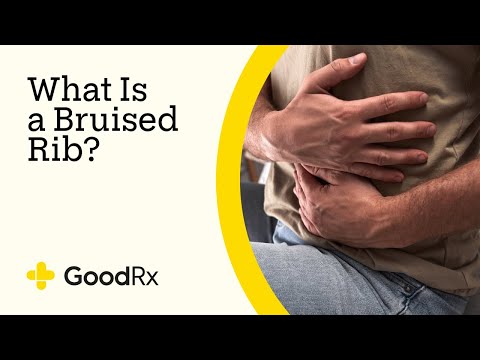
Identifying and caring for a broken rib can be a bit tricky, as the symptoms often mimic other injuries. A broken rib usually happens from trauma, like a fall or car accident. You might feel sharp pain in your chest that gets worse when you breathe deeply, cough, or laugh. Sometimes you can even feel a bump or see bruising.
A quick way to assess if it’s a broken rib is to gently press on the area—if it hurts more than usual, that’s a strong sign. X-rays are typically used to confirm the diagnosis, but sometimes they don’t show fractures clearly. In those cases, CT scans might help.
Caring for a rib fracture mainly involves managing pain and avoiding movements that could aggravate it. Over-the-counter pain relievers like ibuprofen often work well. It’s important not to wrap your chest too tightly; believe it or not, this can lead to breathing problems because it restricts your ability to take deep breaths.
Rest is key for recovery. It usually takes about six weeks for ribs to heal properly. During this time, maintaining good posture and using pillows when sleeping may help ease discomfort.
If you notice increasing pain or difficulty breathing, seek medical attention right away. Remember that every person heals differently; listen to your body throughout this process.