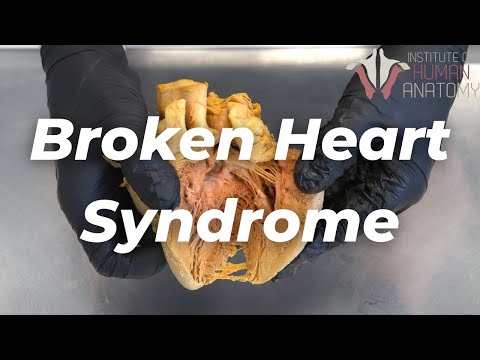
Have you ever felt an emotional pain so intense that it seemed to consume you? This sensation, often described as a “broken heart,” can feel both physical and emotional. But can this heartache truly lead to death?
The term “broken heart syndrome” refers to a real medical condition where extreme emotional stress might trigger symptoms similar to a heart attack. It’s fascinating to think that our emotions can have such a profound impact on our physical health.
However, it’s essential to be informed and cautious about this topic. While the connection between emotions and physical health is undeniable, misinformation can spread easily. Talk to professionals if you’re concerned about your health, and always seek out trusted sources of information.
Take care of yourself and your mental well-being—it matters more than we often recognize.
The information provided in this article is intended solely for general informational and educational purposes. It does not constitute medical advice, diagnosis or professional treatment, and should not be considered a substitute for consultation with a qualified doctor or other licensed healthcare professional. Any health-related decisions should be made in consultation with accredited medical professionals.
While efforts have been made to ensure the information is accurate and up to date, no guarantees are given—either express or implied—regarding its accuracy, completeness, currency or suitability. Use of this information is at your own discretion.
It is strongly recommended to consult official sources such as the NHS (National Health Service) or other recognised medical institutions before acting on any information contained on this website or article. Under no circumstances should professional medical advice be ignored or delayed due to content read here.
This content is of a general and informational nature only. It is not intended to replace individualised guidance from a healthcare professional or to establish any doctor-patient relationship. The publication of this information does not imply any professional responsibility, guarantee or obligation on the part of the author or this site.
Exploring the Heartbreak That Can Take Your Breath Away
Heartbreak is a feeling many of us know well. It’s often associated with emotional pain after losing a loved one or going through a difficult breakup. But did you know it could also have physical effects on our bodies?
When people say they’re heartbroken, they often mean it metaphorically. However, there is a real condition called broken heart syndrome, or Takotsubo cardiomyopathy. This can mimic symptoms of a heart attack.
Here’s how it works: intense stress or emotional trauma can trigger this condition. The heart’s muscles suddenly weaken, which can cause chest pain and shortness of breath. This happens even without the typical risk factors for heart disease.
It’s important to understand that, while rare, broken heart syndrome can be serious. Some people may experience complications like arrhythmias or even heart failure in extreme cases.
Symptoms may include:
These signs can easily be confused with traditional heart attacks. That’s why it’s crucial to seek help if you’re experiencing them.
So, can a broken heart truly lead to death? While it is uncommon, the emotional and physical connection between our hearts and minds is powerful. Prolonged stress and sadness affect our overall health.
Taking care of your emotional well-being is vital for your physical health too. Staying connected with friends and family, practicing mindfulness, and seeking professional support when needed are all helpful strategies.
Remember: if you’re going through heartbreak, you’re not alone in your feelings—and it’s okay to ask for help when things feel overwhelming. Understanding these connections helps us make informed decisions about our health because caring for our hearts—both emotionally and physically—is essential for well-being.
Exploring the Depths of Heartbreak and Healing
Heartbreak can be a deeply painful experience. It’s not just emotional; it can also affect our physical health. The phrase “broken heart” isn’t just a metaphor. There’s some truth to it.
When we experience intense grief or loss, it can lead to what is known as broken heart syndrome, or Takotsubo syndrome. This condition mimics a heart attack but is usually triggered by extreme emotions. Stress hormones surge, causing temporary weakening of the heart muscle.
Signs of broken heart syndrome may include chest pain, shortness of breath, and even fainting. In most cases, people recover fully within weeks. However, the emotional toll can linger much longer.
The idea that heartbreak could lead to death sounds dramatic, but there is evidence linking stress and emotional trauma to serious health risks. Chronic stress can raise blood pressure and inflammation in the body. These changes may contribute to heart disease over time.
When we’re grieving, self-care becomes essential. Engaging in activities that promote well-being is important:
These practices can help manage stress and improve mood.
It’s also crucial to recognize that healing takes time. There’s no set timeline for grief; everyone experiences it differently. Allowing ourselves to feel and process emotions is part of recovery.
One common myth is that “moving on” quickly means you’re strong or doing well. In reality, taking your time doesn’t make you weak; it shows you’re human.
Remember that seeking support does not show weakness either. If feelings of sadness become overwhelming or last too long, reaching out for help from a professional can be a wise step.
In conclusion, while heartbreak can deeply impact both our hearts and minds, awareness helps us navigate this challenging journey towards healing with compassion for ourselves and others around us.
Understanding the Journey from Heartache to Healing
Experiencing heartbreak can feel overwhelming, both emotionally and physically. Many people have heard the phrase “broken heart,” but can emotional pain really affect our hearts in a serious way?
The idea that heartache can lead to death isn’t just an old saying. There’s actually a condition called **stress-induced cardiomyopathy**, often referred to as “broken heart syndrome.” It mimics a heart attack but is triggered by extreme stress or loss.
While it’s rare, this condition shows how deeply our emotions are connected to our physical health. Consider your body like a car; if you push it too hard without proper maintenance, it can break down unexpectedly.
Here are some points to understand:
But does emotional pain always result in serious medical issues? Not necessarily. Most people experience heartbreak without any lasting health effects.
It’s essential to recognize how you’re feeling and seek help if needed. Talking with friends or professionals can ease some of that heavy emotional load.
Additionally, practicing self-care helps tremendously. Simple things like walking outside or listening to music can provide comfort during tough times.
It’s also important to challenge common myths about heartbreak:
In conclusion, understanding the journey from heartache to healing requires patience and compassion toward oneself. By recognizing the connection between our emotions and our health, we empower ourselves on the road to recovery.
The idea that a broken heart can lead to death is often viewed as a poetic notion. However, the underlying medical reality is more complex. Emotional trauma, such as severe grief or heartbreak, can manifest physically in ways that affect health.
One prominent condition linked to this phenomenon is “takotsubo cardiomyopathy,” often referred to as “broken heart syndrome.” It typically occurs after intense emotional distress. The heart’s left ventricle temporarily weakens and changes shape due to stress hormones. Symptoms can mimic a heart attack, including chest pain and shortness of breath.
Importantly, while takotsubo cardiomyopathy can be serious, it is generally treatable. Most patients recover with time and support, unlike conditions that lead to permanent damage.
Moreover, chronic emotional stress without coping mechanisms may contribute to long-term health issues like cardiovascular diseases. Hence, it underscores the importance of mental health.
In summary, while a broken heart may not literally cause death in most cases, its emotional impact can significantly affect physical health. It’s essential to recognize these connections and seek help when dealing with profound emotional distress. Prioritizing both mental and physical well-being is key for overall health.