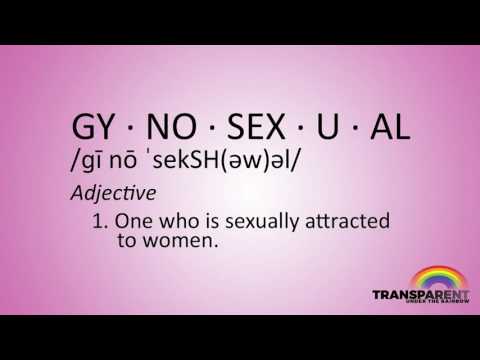
Understanding sexuality can feel like navigating a vast ocean of identities and experiences. One such term that has gained attention is **gynosexuality**. At its core, gynosexuality refers to attraction to those who identify as female or femininine, focusing on a gender’s essence rather than their physical characteristics alone. It underscores the emotional and intellectual connections that often accompany attraction.
When discussing gynosexuality, it’s essential to recognize the complexities of human attraction. Just like flavors of ice cream, people experience love and desire in diverse ways. Gynosexuality is just one flavor in this rich variety.
However, it’s crucial to approach this topic with care and understanding. **Warning: Misunderstandings about sexuality can lead to harmful stereotypes or oversimplifications. Always seek information from various specialists and reliable sources across different media platforms. This ensures a well-rounded understanding of complex topics like gynosexuality, empowering you to appreciate the rich tapestry of human connection responsibly.
Remember, knowledge is your best ally in fostering empathy and acceptance towards all identities!
The information provided in this article is intended solely for general informational and educational purposes. It does not constitute medical advice, diagnosis or professional treatment, and should not be considered a substitute for consultation with a qualified doctor or other licensed healthcare professional. Any health-related decisions should be made in consultation with accredited medical professionals.
While efforts have been made to ensure the information is accurate and up to date, no guarantees are given—either express or implied—regarding its accuracy, completeness, currency or suitability. Use of this information is at your own discretion.
It is strongly recommended to consult official sources such as the NHS (National Health Service) or other recognised medical institutions before acting on any information contained on this website or article. Under no circumstances should professional medical advice be ignored or delayed due to content read here.
This content is of a general and informational nature only. It is not intended to replace individualised guidance from a healthcare professional or to establish any doctor-patient relationship. The publication of this information does not imply any professional responsibility, guarantee or obligation on the part of the author or this site.
Exploring the Complexities of Desire Beyond the Norms
Desire is a powerful and complex aspect of human experience. It often challenges social norms and personal boundaries. Gynosexuality is one such exploration, focusing on attraction to feminine or female-identifying individuals.
Understanding gynosexuality requires delving into how desire is expressed beyond conventional labels. People identify with gynosexuality in various ways, and that’s completely valid. They may feel deep connections based on emotional or romantic interests rather than strictly sexual ones.
It’s important to recognize that desire exists on a spectrum. Just like colors blend together, sexuality can be fluid. Many think only in binaries—like straight or gay—but reality is much more nuanced. Gynosexuality exemplifies this richness.
One key aspect of understanding desire involves recognizing its emotional component. Attraction isn’t just about physical characteristics; it’s intertwined with feelings and identity. For instance, someone may feel drawn to femininity through personality traits, creativity, or vulnerability rather than traditional notions of appearance.
Cultural influences also shape our understanding of attraction. Different societies have different expectations around gender and desire. This affects how people identify and express themselves regarding sexuality.
Education plays a crucial role in dismantling myths around gynosexuality and broader sexual identities. Misunderstandings often stem from limited knowledge or stereotypes that don’t reflect reality.
It’s essential for everyone to approach these topics without judgment and with an open mind. Conversations about desire should be supported by empathy and respect for individual experiences.
Remember, exploring complex desires can lead to greater self-awareness and understanding others better. Sharing stories creates connections that help foster acceptance around diverse identities.
Finally, staying informed through reliable resources is invaluable as you navigate understanding your own desires or those of others. Knowledge empowers us all to make informed choices while encouraging respectful dialogue surrounding issues like gynosexuality.
Understanding Your Attractions: A Journey to Discover Gynosexuality
Understanding your attractions can be a complex but rewarding journey. One term that often comes up in this exploration is *gynosexuality*. It’s important to know what it means and how it might relate to you.
Gynosexuality refers to the attraction someone feels towards femininity or individuals who identify as female. It’s not solely about sexual attraction, but also includes emotional and romantic feelings.
Think of gynosexuality like a spectrum. On one end, there are people who are exclusively attracted to women. On the other end, some may feel a broader attraction that still leans toward feminine qualities.
This journey of discovery can sometimes lead to confusion or questions. You might wonder how this fits into your life or relationships. It’s okay to have mixed feelings!
Just remember, everyone experiences attraction differently. The way you feel is valid. Learning terms like gynosexuality helps many people articulate their experiences better.
Listening to your feelings and taking time for self-reflection can deepen your understanding of whom you are attracted to. Journaling or talking with close friends can also provide clarity.
It’s vital, however, not to box yourself in with labels if they don’t feel right for you. Attraction can be fluid and personal.
While it’s helpful to understand different identities and attractions, it’s equally important to recognize the diversity within them. Not everyone who identifies as gynosexual will have the same experiences or preferences.
Keep an open mind while exploring your own feelings related to this term. You may discover new aspects of yourself along the way.
Remember that seeking information is a part of understanding ourselves better—even if it takes time! Embrace the process without pressure.
In summary, learning about gynosexuality can enhance your self-awareness and acceptance. Your journey is yours alone—embrace every step!
Exploring the Spectrum of Attraction Beyond Labels
Understanding attraction can be quite complex. Often, society simplifies it into rigid categories. Yet, the truth is much more nuanced. One of these nuances is gynosexuality, a term that might not be familiar to everyone.
Gynosexuality refers to attraction primarily towards women or femininity. It’s important to note that this term doesn’t limit someone’s attractions. People can still feel drawn to other genders but identify largely with this specific inclination.
Think of attraction as a vast ocean. At one end, you have straight relationships, and at the other end, you find same-gender attractions. Gynosexuality sits somewhere in between, like a beautiful coral reef teeming with diverse life forms.
Many believe that labels can help in understanding oneself. However, they can also restrict how we view relationships and connections. Attraction isn’t always black and white; it’s often colored by experiences, feelings, and preferences.
It’s valuable for individuals to explore their own feelings without feeling pressured by societal labels. Each person’s experience of attraction is unique and should be honored.
Here are some key points about gynosexuality:
Always remember: labels exist for our understanding but shouldn’t box us in. The most important thing is being true to yourself.
Understanding your attraction helps foster healthier relationships. This journey is personal and can change over time as you grow and learn more about yourself and others.
Ultimately, exploring the spectrum of attraction means embracing all facets of human connection. It encourages empathy towards others who may feel differently than you do.
So take your time navigating your feelings! There’s no rush in discovering what truly resonates with you in your own unique way.
Understanding gynosexuality is essential in fostering awareness about sexual orientation. Gynosexuality refers to a sexual attraction to femininity or those who identify as female, transcending traditional notions of sexual orientation. It emphasizes the emotional and physical connections individuals can experience, regardless of their own gender.
Exploring this concept encourages inclusivity and respect for diverse identities and experiences. It’s crucial to note that gynosexual individuals may identify with varying genders themselves. This fluidity reflects the complexity of human attraction, which cannot be confined to simple labels.
Education around this topic also helps combat myths. For instance, some may mistakenly equate gynosexuality solely with heterosexual identity, ignoring its broader spectrum. Like any other form of sexuality, it encompasses a rich diversity of experiences and feelings.
Promoting understanding requires empathy and open dialogue about these topics. Advocating for healthy conversations around sexuality supports a culture that values all identities equally while acknowledging individual experiences. Ultimately, understanding gynosexuality contributes to a more inclusive society where everyone feels validated and accepted in their attractions and identities.