
The information provided in this article is intended solely for general informational and educational purposes. It does not constitute medical advice, diagnosis or professional treatment, and should not be considered a substitute for consultation with a qualified doctor or other licensed healthcare professional. Any health-related decisions should be made in consultation with accredited medical professionals.
While efforts have been made to ensure the information is accurate and up to date, no guarantees are given—either express or implied—regarding its accuracy, completeness, currency or suitability. Use of this information is at your own discretion.
It is strongly recommended to consult official sources such as the NHS (National Health Service) or other recognised medical institutions before acting on any information contained on this website or article. Under no circumstances should professional medical advice be ignored or delayed due to content read here.
This content is of a general and informational nature only. It is not intended to replace individualised guidance from a healthcare professional or to establish any doctor-patient relationship. The publication of this information does not imply any professional responsibility, guarantee or obligation on the part of the author or this site.
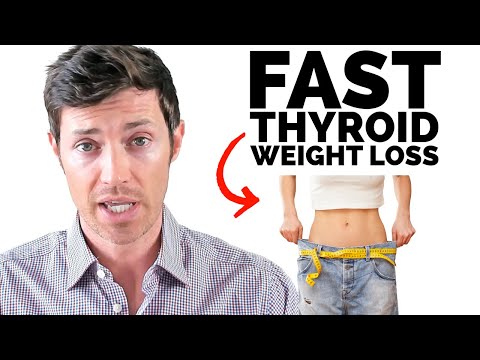
Have you ever felt like no matter what you do, the scale just won’t budge? It’s frustrating, right? Now, imagine trying to lose weight with hypothyroidism. For many, it can feel like running uphill in the mud. The thyroid plays a critical role in metabolism. When it’s not functioning optimally, your body can react differently to food and exercise.
This article is all about effective weight loss strategies for folks dealing with hypothyroidism. We’ll talk about how this condition affects your metabolism and what practical steps you can take to manage your weight. You’re not alone in this journey—many people face similar challenges and frustrations.
It matters because understanding how to navigate these hurdles can lead to better health and improved well-being. We’ll go through evidence-based practices that support healthy weight loss while keeping energy levels up.
Remember, though, this content isn’t a substitute for medical advice. Always consult a healthcare professional before making any big changes to your health routine.
Unraveling the Surprising Connection Between Weight Loss and Hypothyroidism
Understanding Hypothyroidism
Hypothyroidism is when your thyroid gland, a small butterfly-shaped gland in your neck, doesn’t produce enough hormones. These hormones are crucial as they regulate your metabolism—the process your body uses to convert food into energy.
When your metabolism slows down, it can lead to weight gain or make it tough to lose weight. It’s kind of like having a car with a faulty engine; no matter how much you push the accelerator, it just doesn’t go fast enough.
The Weight Loss Challenge
If you’re dealing with hypothyroidism, losing weight might feel like an uphill battle. You could be eating healthy and exercising but still see little change on the scale. This can be super frustrating!
The thing is, people with hypothyroidism often experience symptoms like fatigue and muscle weakness. These can make it harder to stick to workout routines or stay motivated.
Effective Strategies for Weight Loss
- Consult Your Healthcare Provider: Before starting any weight loss plan, talk to someone knowledgeable about hypothyroidism.
- Nutrient-Dense Foods: Focus on whole foods—fruits, veggies, lean proteins—and limit processed foods which can sabotage your efforts.
- Regular Exercise: Find an activity you enjoy! Even short walks or gentle yoga can help boost metabolism without overwhelming you.
- Adequate Sleep: Sleep plays a huge role in weight management. Aim for quality sleep each night as this helps regulate hormones that control appetite.
The Role of Medication
If diagnosed with hypothyroidism, medication is often necessary. Levothyroxine is commonly prescribed and helps normalize hormone levels. When hormone levels are balanced, many people find it easier to lose weight.
Minding Stress Levels
You ever notice how stress can mess with eating habits? Increased stress levels can lead to emotional eating or cravings for unhealthy snacks. Managing stress through mindfulness techniques or hobbies could support your overall well-being and potentially aid in weigh loss efforts.
A Few Myths About Hypothyroidism and Weight Loss
- Your thyroid is the sole reason for weight gain: While it’s a factor, lifestyle choices play significant roles too!
- You can’t lose weight with hypothyroidism: Not true! Many people successfully find ways that work for them over time.
The Bottom Line
Losing weight while managing hypothyroidism isn’t impossible; it just might require more patience and tailored strategies than for others. Stay informed & don’t hesitate to seek support from healthcare professionals who understand these unique challenges!
Unlocking the Secrets to Shedding Pounds with Hypothyroidism
Understanding Hypothyroidism
Hypothyroidism occurs when the thyroid gland doesn’t produce enough thyroid hormones. These hormones are crucial for metabolism, which is basically how our body uses energy. When levels are low, weight gain can happen, even when you think you’re eating well.
Why Weight Loss is Challenging
You might wonder why losing weight feels like an uphill battle with hypothyroidism. The thing is, with less thyroid hormone in your system, your metabolism slows down. If you’ve noticed that you’re gaining weight despite exercising and dieting, it could be linked to this hormonal imbalance.
Dietary Changes
Adjusting what you eat can help manage your weight. Focusing on whole foods like fruits, vegetables, lean proteins, and whole grains might assist in maintaining a balanced diet. Think of it as giving your body the fuel it needs without unnecessary additives or sugars.
Some people find that avoiding processed foods makes a difference too—these often contain excess sodium and sugar that can lead to weight gain.
The Role of Iodine
Iodine is vital for producing thyroid hormones. If your iodine levels are too low or too high, it may affect how well your thyroid works. Foods rich in iodine include fish and dairy products however be careful not to overdo it; moderation is key.
The Importance of Exercise
Regular exercise can boost metabolism and help shed some pounds over time. Aerobic activities—think walking or swimming—combined with strength training are often most effective. Even light exercises like walking daily can make a difference for many people struggling with hypothyroidism.
Your Mindset Matters
A positive mindset can really change things up! Weight loss takes time so it’s important not to rush things. Setting realistic goals that’s achievable helps keep motivation up instead of feeling overwhelmed.
Staying Hydrated
Don’t forget hydration! Drinking water helps regulate bodily functions including metabolism even when you’re managing hypothyroidism. Sometimes we don’t realize we’re dehydrated which could impact our energy levels and appetite as well.
Working with Professionals
If you’re unsure about dietary changes or exercise routines, consulting a registered dietitian or nutritionist might help provide tailored advice suited for you without replacing professional medical consultations entirely.
Avoiding Myths
- A common myth is that all carbs are bad; that’s not true! Whole grains can be beneficial if consumed wisely.
- Anther misconception? Supplements alone will not magically solve weight issues—they should complement a balanced lifestyle instead!
- Saying no to fats isn’t the answer either; healthy fats from sources like avocados or nuts provide essential nutrients.
The Bottom Line
Losing weight while managing hypothyroidism may require more effort but remember it’s possible with patience and the right strategies in place. By focusing on proper diet and regular activity while keeping an eye on mental health and support systems—you’ve got options!
Revitalize Your Energy and Balance Your Metabolism with Simple, Delicious Meals
Understanding Hypothyroidism
Hypothyroidism is when your thyroid gland, which is a small butterfly-shaped gland in your neck, doesn’t produce enough thyroid hormones. These hormones are crucial for regulating many body functions, including metabolism—basically how your body uses energy.
When someone has hypothyroidism, they may experience fatigue, weight gain, and difficulty losing weight. This can make it tough to find the right balance between eating healthy and managing energy levels.
The Impact of Metabolism on Energy
Your metabolism is like the engine of a car—it needs fuel to run efficiently. In hypothyroidism, the engine might be running slower than it should. So, trying to revitalize your energy often involves making adjustments to what you eat.
Simple meals that are nutrient-dense can help support metabolism without overwhelming it. Think whole foods like vegetables, lean proteins, and whole grains—they’re like premium fuel for your body’s engine!
Meal Ideas for Energy and Balance
- Breakfast: Try oatmeal topped with berries and nuts. Oats provide fiber that can help regulate blood sugar levels while berries pack antioxidants.
- Lunch: A salad with spinach, grilled chicken or chickpeas, avocado, and olive oil dressing offers good fats and protein—both important for sustained energy.
- Dinner: Opt for baked salmon alongside quinoa and steamed broccoli; salmon is rich in omega-3 fatty acids which promote heart health.
- Snacks: Nuts or yogurt with fruit can keep you satisfied without leading to a crash later on.
The Role of Hydration
You know that staying hydrated is important too! Water helps all bodily functions—including digestion—and sometimes we confuse thirst with hunger. Aim for at least eight cups a day!
A Word on Food Choices
Avoiding processed foods might be beneficial since they often contain hidden sugars and unhealthy fats that can throw off your energy balance. It’s kinda like putting low-quality gas into that car engine—long-term damage isn’t what you want!
This Is About Balance
The goal isn’t just about cutting calories; it’s about nourishing yourself adequately while supporting hormone production. Eating smaller meals throughout the day can also help maintain stable energy levels—think of it as giving your engine steady fuel instead of running out between stops.
Cautions and Considerations
- If you’re new to managing hypothyroidism through diet changes,consider consulting with a dietitian or healthcare provider for personalized guidance.
- No single food will drastically change everything overnight; it’s a gradual process that takes time & effort.
Your body has unique needs based on many factors—including age, activity level, and individual metabolism. So listen closely to what works best for you! Focusing on wholesome meals not only nourishes your body but often leads to an overall feeling of wellness—you may even feel lighter in spirit!
Effective Weight Loss Strategies for Hypothyroidism Sufferers
Understanding how hypothyroidism affects weight can be a game-changer for many. When your thyroid isn’t working properly, it slows down metabolism. This means that losing weight often feels like an uphill battle. But hey, there are strategies that can really help.
Nutritional Approach
First off, let’s talk about nutrition. A balanced diet plays a crucial role in managing weight. Focus on whole foods like fruits, veggies, lean proteins, and healthy fats. These foods nourish your body and help kickstart that sluggish metabolism.
Also, be mindful of gluten and soy. Some people with hypothyroidism find that these can interfere with their thyroid hormone absorption. It’s worth experimenting to see how your body reacts.
Exercise Considerations
Next up is exercise—don’t let the idea of it overwhelm you! Aim for a mix of cardio and strength training. Cardio helps burn calories while strength training builds muscle, which in turn boosts metabolism over time.
A quick daily walk can make all the difference too! It’s low-impact but effective at keeping your body active without too much stress.
Mind-Body Connection
Mental health also plays a key role in weight loss. Stress can lead to cravings and poor eating choices. So practices like yoga or mindfulness meditation could be beneficial in managing stress levels.
Medical Support
Finally, consulting with a healthcare provider is crucial—always remember this part! Regular check-ups can aid you in monitoring thyroid hormone levels and adjusting medications as needed to support your weight loss journey.
The reality is: every individual is different, especially when dealing with conditions like hypothyroidism. Patience is essential; finding what works for you might take some time.
In summary—mindful eating, regular exercise, stress management, and medical guidance make up a solid strategy to tackle weight concerns linked to hypothyroidism effectively.

