The information provided in this article is intended solely for general informational and educational purposes. It does not constitute medical advice, diagnosis or professional treatment, and should not be considered a substitute for consultation with a qualified doctor or other licensed healthcare professional. Any health-related decisions should be made in consultation with accredited medical professionals.
While efforts have been made to ensure the information is accurate and up to date, no guarantees are given—either express or implied—regarding its accuracy, completeness, currency or suitability. Use of this information is at your own discretion.
It is strongly recommended to consult official sources such as the NHS (National Health Service) or other recognised medical institutions before acting on any information contained on this website or article. Under no circumstances should professional medical advice be ignored or delayed due to content read here.
This content is of a general and informational nature only. It is not intended to replace individualised guidance from a healthcare professional or to establish any doctor-patient relationship. The publication of this information does not imply any professional responsibility, guarantee or obligation on the part of the author or this site.
Hey, have you ever noticed those scaly patches on a baby’s head and wondered what they are? Cradle cap is more common than you think. It affects many infants and can be worrying for parents. But here’s the good news: there are effective strategies to prevent it!
In this article, we’ll dive into what cradle cap really is and why it happens. You know, it’s one of those things that often catches new parents off guard. Understanding the causes can help ease your mind and make caring for your little one a bit easier.
We’ll explore simple tips to keep your baby’s scalp healthy and maybe even keep that pesky cradle cap at bay. From gentle washing routines to choosing the right products, we’ve got you covered.
Of course, remember that this content doesn’t replace professional medical advice. Health decisions are personal, so it’s always best to consult a healthcare expert when needed.
Let’s get started on these easy strategies together! Your baby deserves the best care possible.
Understanding the Mystery Behind Baby Scalp Issues
Hey there! If you’ve ever noticed some flaky skin on your little one’s scalp, you’re not alone. This common issue is often related to something called cradle cap, or infantile seborrheic dermatitis. It might look a bit alarming at first, but it’s usually harmless.
What is Cradle Cap?
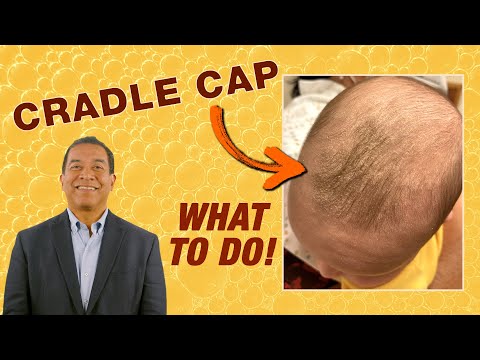
Cradle cap appears as yellowish or brownish patches with crusty scales on baby’s head. The skin can seem greasy and may flake off easily. You might wonder what causes it. Well, thing is, doctors aren’t totally sure why it happens, but they think it’s linked to oil-producing glands in babies’ skin that can get overactive.
Why Does It Matter?
You might think that if your baby has cradle cap, they are uncomfortable or in pain. Thankfully, most infants don’t seem bothered by it at all! However, parents often feel concerned about their baby’s appearance or hygiene.
Effective Strategies to Prevent Cradle Cap
- Regular Washing: Gently wash your baby’s hair regularly with a mild shampoo. This helps reduce the buildup of oils and flakes.
- Soft Brushing: Using a soft-bristled brush or comb can help loosen those flakes while washing. Just be careful not to irritate the skin.
- Moisturizing: A bit of baby oil or mineral oil applied to the scalp can help prevent dryness and keep the skin moisturized.
- Avoiding Harsh Products: Stick with gentle shampoos that don’t have strong fragrances or chemicals that could irritate sensitive skin.
A Couple of Myths
You might hear people say cradle cap is caused by poor hygiene. That’s not true! It’s not about how clean you keep your baby; it’s mostly about their developing skin and natural oils.
An important thing to remember: if your child’s cradle cap seems severe or lasts for months without improvement, chatting with a healthcare professional can provide peace of mind and guidance.
The Bottom Line
Caring for your baby’s scalp is pretty straightforward and doesn’t require too much fuss. Paying attention to simple habits like regular washing and moisturizing goes a long way in dealing with those pesky flakes. Ultimately, most kids outgrow cradle cap as their skin matures—so hang in there!
Easy Tips for Keeping Your Baby’s Scalp Healthy and Flake-Free
Understanding Cradle Cap
Cradle cap is a common condition that a lot of infants experience. It’s like this thick, yellowish crust that appears on the scalp. You might notice it when you wash your baby’s hair or during playtime. It’s not painful and usually isn’t itchy, which is great news for parents!
Why Does It Happen?
The exact cause of cradle cap isn’t clear, but it could relate to oil overproduction on the skin or perhaps a reaction to yeast that lives on everyone’s skin. Babies have super-soft skin that can sometimes get irritated. The good news? It typically resolves itself in a few months.
Gentle Washing
You know how we all like a nice shampoo? Well, babies can benefit from gentle washing too! Use a mild baby shampoo about two to three times a week. This can help keep their scalp clean without drying it out too much. Just don’t scrub too hard; think gentle massage instead.
Brushing the Scalp
A soft-bristled baby brush can be your best friend here. Lightly brushing your baby’s scalp helps loosen those flakes and keeps things smooth. Just do this when you are bathing them or even during cuddle time!
Moisturizing
If you find dry patches, consider using natural oils like coconut oil or olive oil. Massage just a tiny bit into their scalp before bath time and let it sit for about 20 minutes. It can soften those stubborn flakes and make washing easier.
Keep an Eye on Diet
If your baby has started eating solid foods, it’s good to pay attention to what they’re eating. Foods rich in omega-3 fatty acids, such as fish or flaxseeds (for older infants), support skin health—even if they might not eat them yet! Healthy fats in general are beneficial.
Avoiding Irritation
Sometimes, harsh soaps or lotions can irritate your baby’s delicate skin, so opt for products specifically made for infants instead of adult ones—those tend to be too strong! Keeping away from fragrances will also help minimize irritation.
When to Seek Help?
If cradle cap seems really severe or doesn’t improve with simple home care methods after several weeks, chat with your pediatrician just to ensure everything’s okay.
A Few Final Thoughts
- Don’t stress—it’s quite normal.
- Your love and care make all the difference!
- Treat their scalp gently; that’s key!
- Remember: things generally get better with time.
Exploring the Unexpected Side of Cradle Cap in Infants
Understanding Cradle Cap
Cradle cap, or seborrheic dermatitis, is a common condition seen in infants. It often appears as flaky, yellowish patches on the scalp. Don’t worry! It’s usually harmless and often goes away on its own.
This condition might seem alarming at first glance. However, it’s important to remember that many babies experience it at some point. The exact cause isn’t fully understood, but it’s thought to be linked to overactive oil glands or perhaps even yeast on the skin.
Why Does It Happen?
Sometimes babies have cradle cap because their scalp produces too much oil. This excess oil can trap dead skin cells, leading to those stubborn flakes. Think of it like a clogged drain; when there’s too much buildup, it creates a mess!
The hormonal changes from mom during pregnancy might also play a role in this condition. But again, it’s not something you need to stress about—it doesn’t mean you did anything wrong.
Strategies for Prevention
So how can you help prevent cradle cap? First off, regular gentle washing of your baby’s hair is key. A mild baby shampoo works wonders for keeping that scalp clean without being harsh.
- Massage the scalp while washing—this can help loosen flakes and keep things fresh.
- A soft brush can also help remove dead skin gently. Just be careful with pressure!
- If your baby has cradle cap already, avoid picking at those patches as tempting as it may be! That can lead to irritation.
Beyond the Scalp
It’s interesting to note that cradle cap isn’t exclusive just to the head; sometimes you’ll find similar flakes behind ears or even in folds of skin elsewhere on their body. That said, using the same gentle care and cleaning strategies will often apply.
If it seems persistent or gets worse—although most times it improves—consider reaching out for advice from someone who knows about infant care.
A Little Patience Goes a Long Way
The thing is: most cases resolve themselves within months. Keeping up with your baby’s routine will generally support healthy skin growth over time.
Please remember: every child is different! What works for one may not work for another but just staying consistent and calm goes along way.
Reflection on Effective Strategies to Prevent Cradle Cap in Infants
Cradle cap, or seborrheic dermatitis, is a common skin condition seen in infants. It usually appears as flaky, crusty patches on the scalp. Although it’s not harmful, it can be concerning for parents. So, what can you do to prevent it?
One effective strategy is maintaining a regular washing routine for the baby’s hair. Using a gentle baby shampoo helps remove excess oils and flakes without causing irritation. Think of it like cleaning a small garden; regularly tending to it helps prevent weeds from taking over.
An important factor to remember is that moisturizing the scalp can make a difference too. You might use natural oils like coconut or olive oil before baths. Just apply some, let it sit for a bit, then wash it out. This can soften the crusts and make them easier to remove.
Another strategy is being mindful of how often the baby wears hats or other head coverings. While keeping warm is essential, too much moisture trapped under hats can encourage cradle cap. Sometimes airing things out does wonders!
The key takeaway? Regular care and gentle treatment are crucial in preventing cradle cap for many infants. Each baby’s skin is unique; what works for one might not work for another but trying these strategies could help you find the right balance.
If you ever feel uncertain about your baby’s condition or if cradle cap seems severe or persistent, reaching out to your pediatrician makes sense—they’re there to support you through this parenting journey!