The information provided in this article is intended solely for general informational and educational purposes. It does not constitute medical advice, diagnosis or professional treatment, and should not be considered a substitute for consultation with a qualified doctor or other licensed healthcare professional. Any health-related decisions should be made in consultation with accredited medical professionals.
While efforts have been made to ensure the information is accurate and up to date, no guarantees are given—either express or implied—regarding its accuracy, completeness, currency or suitability. Use of this information is at your own discretion.
It is strongly recommended to consult official sources such as the NHS (National Health Service) or other recognised medical institutions before acting on any information contained on this website or article. Under no circumstances should professional medical advice be ignored or delayed due to content read here.
This content is of a general and informational nature only. It is not intended to replace individualised guidance from a healthcare professional or to establish any doctor-patient relationship. The publication of this information does not imply any professional responsibility, guarantee or obligation on the part of the author or this site.
Hey, have you ever wondered how viruses like the coronavirus impact little ones? It’s a question many parents are asking these days. The truth is, kids and infants tend to react differently than adults to illnesses like COVID-19. Sometimes, they show no symptoms at all, which can make it tricky to know what’s going on.
This article dives into the key facts surrounding coronavirus in children and infants. We’ll explore how their immune systems work, why they might be more resilient, and what precautions you can take to keep them healthy. Understanding these things can help ease your worries and empower you as a parent.
The thing is, knowledge is power. By learning about this topic, you can better navigate any concerns about your child’s health. Just remember that while this information is valuable, it doesn’t replace medical advice from healthcare professionals. Always consult with a doctor for any specific health decisions concerning your little ones.
Let’s dive in and unravel the important details together!
Navigating the Challenges and Triumphs of Newborns in the Pandemic Era
The pandemic has changed a lot of things, especially how we view newborn health. Parents, caregivers, and healthcare workers had to rapidly adjust to new concerns about COVID-19. So let’s talk about what we know regarding coronavirus and infants.
Understanding Coronavirus in Children
COVID-19 is primarily known for its impact on adults, but children can also contract it. Thankfully, most kids experience mild symptoms or none at all. Research has shown that young infants are at a lower risk compared to older populations.
However, that doesn’t mean they’re completely immune. Caregivers should be extra careful with newborns because their immune systems are still developing. It’s important to keep them away from sick individuals whenever possible.
Bonding During Isolation
For new parents, bonding with your baby during a time of social distancing can be tough. With limited visits from family or friends, it’s all on you! But look—spending time skin-to-skin can really help strengthen that bond.
Even with virtual visits—like video calls—you can share those precious moments with family. Hearing loved ones’ voices is comforting for both you and your baby.
Breastfeeding During the Pandemic
If you’re breastfeeding, you might wonder if it’s safe during these times. Studies indicate that breast milk provides antibodies, which could offer some protection against infections. So if possible, continue breastfeeding unless advised otherwise by a healthcare provider.
Vaccination for Mothers
Mothers getting vaccinated before or after giving birth has become common advice. Vaccines have shown to produce stronger antibodies in nursing mothers’ milk as well as provide additional protection for the baby.
But always consult with your healthcare professional about your specific situation.
Pediatric Check-ups Remain Vital
No matter the circumstances, routine pediatric check-ups shouldn’t be skipped. Those appointments help monitor growth and development milestones.
Telehealth services have increased too; this format can make it easier for families to keep up without risking exposure.
The Emotional Toll
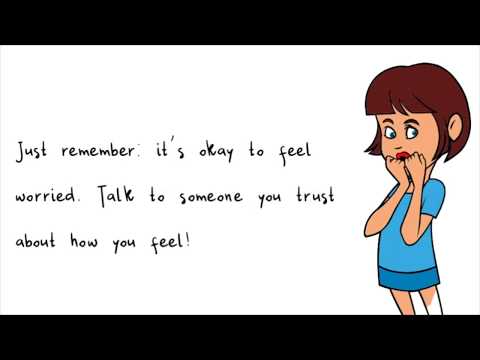
The emotional impact of having a newborn during this time shouldn’t be underestimated either. Feeling anxious about health risks is totally normal.
Don’t hesitate to talk about these feelings; whether it’s with family members or professionals who can help guide you through it.
A Final Note on Community Support
Staying connected while physically distanced is so critical now more than ever! Online communities for new parents have blossomed throughout the pandemic.
Sharing experiences helps normalize feelings and offers much-needed support during challenging times.
Navigating parenthood isn’t easy in any situation. The pandemic adds layers but also brings opportunities—a chance to connect deeply with our little ones amidst uncertainty.
Navigating Care and Safety in Challenging Times
Hey there, let’s talk about understanding coronavirus in children and infants. It’s totally normal to have questions, especially with everything that’s been going on. So, let’s break it down into bite-sized pieces.
How Does COVID-19 Affect Kids?
Honestly, most children who get COVID-19 tend to have milder symptoms than adults. Think of it like catching a cold or flu; a lot of kids bounce back pretty quickly. Some might experience a fever or cough, while others might not show any symptoms at all. It’s kinda tricky!
What Are the Symptoms?
Common signs in kids include fever, runny nose, sore throat, and fatigue. Sometimes they might have stomach issues too—like nausea and diarrhea. It’s vital to keep an eye on them but remember: not every kid will show symptoms.
Should I Be Worried?
I get it; it’s easy to worry when you hear about serious cases. Serious illness among kids is rare compared to adults. That said, if your child has underlying health conditions—like asthma or heart issues—they may need more monitoring.
How Can We Protect Them?
The simple stuff goes a long way! Regular hand washing is key; teach kids to scrub for at least 20 seconds—that’s about as long as singing “Happy Birthday” twice! Also, wearing masks in crowded places can help reduce the risk of spreading germs.
Vaccination—Should They Get It?
If your child is eligible for the vaccine, consider talking to your pediatrician about it. Vaccines help build immunity against severe illness and are shown to be effective in preventing serious outcomes from COVID-19.
The Importance of Routine
A routine can make kids feel safer during these uncertain times. Keeping regular schedules for meals, schoolwork, and play helps create a sense of normalcy amidst chaos.
What About Mental Health?
Mental health matters too! Children can pick up on stress from parents or caregivers, so talking openly about feelings is important. You know? Just asking them how they feel can go a long way.
Getting Help When Needed
If you notice anything concerning—whether it’s physical symptoms or emotional changes—reach out for help! Health professionals are more than ready to support families navigating these challenges.
A Final Note
Navigating care during turbulent times isn’t easy—it involves staying informed while being supportive at home. Every family has its own situation; trust your instincts and prioritize what feels best for yours!
A Simple Guide to Keeping Your Little One Safe and Healthy
Understanding Coronavirus in Children and Infants: Key Facts
Keeping little ones safe and healthy is a huge priority for parents, especially during the pandemic. There’s a lot of information about Coronavirus, which can be confusing. Let’s break it down into some simple points.
What is Coronavirus?
Coronavirus refers to a family of viruses that cause illness in animals and humans. The particular virus we’re talking about now is SARS-CoV-2, which causes the disease known as COVID-19. Kids can get infected too, but usually they experience milder symptoms.
How does it spread?
The virus spreads primarily through droplets when someone coughs or sneezes. Think of it like throwing tiny water balloons—the droplets land on surfaces or other people nearby. Children might also pick up the virus from touching contaminated surfaces and then touching their faces.
Symptoms in Kids
Kiddos with COVID-19 may show symptoms like fever, cough, or fatigue. Sometimes they might have a runny nose or sore throat, kinda like having a common cold. It’s important to keep an eye on their health and consult with a healthcare professional if you’re worried.
Prevention Measures
- Hand Washing: Teach them to wash hands often with soap and water for at least twenty seconds. It’s as effective as having superhero powers against germs!
- Masks: If they’re old enough, wearing masks in crowded places can help protect them and others.
- Sick? Stay Home: If your child feels unwell, keeping them at home helps stop the virus from spreading further.
- Vaccination: Talk about vaccination options with your healthcare provider when they become available for children.
The Importance of Routine Check-Ups
No one wants to see their kids sick; regular check-ups help catch any problems early on. Your pediatrician can also provide guidance on vaccinations and proper health practices.
Mental Health Matters Too
The pandemic has been tough on everyone—kids feel it too! Encourage open conversations about their feelings. Just listening can make a big difference, you know?
A Final Note
Your little one’s health is super important and nobody knows your kid better than you do! Keeping informed while making thoughtful decisions can help create a safer environment for them during these uncertain times. Remember to reach out if you have questions; support is always available!
Understanding Coronavirus in Children and Infants: Key Facts
Many parents have been concerned about how coronavirus affects children and infants. It’s important to clear up some misconceptions and provide solid information based on current research.
First, the good news: most children experience mild symptoms or may even be asymptomatic. In simple terms, this means they can have the virus without showing signs of being sick. Think of it like having a cold; they might feel a bit under the weather, but it’s not usually serious.
However, there are cases where children do get quite sick. Severe illness is rare, but it can happen, particularly in children with pre-existing health conditions. It’s like being more susceptible to getting really sick if you already had trouble before; some kids might need extra care due to other health issues.
The way the virus spreads among kids is similar to adults—through respiratory droplets when someone coughs or sneezes. That’s why washing hands and wearing masks are still very helpful practices—it’s kind of like covering your mouth when you cough; it just makes sense to keep everyone safe.
Another key point is that vaccination plays a crucial role in protecting children from severe disease. Vaccines help train their immune system, so if they encounter the virus later on, their body knows how to fight back better. It’s sort of like practicing a sport; the more you practice, the better you get at it!
Parents should stay informed about local health guidelines and updates from trusted sources like pediatricians and public health organizations. This ensures you’re equipped with the right knowledge for making decisions for your family.
A final thought: discussing fears and concerns openly with your child can help ease anxieties about coronavirus. After all, sharing feelings can lighten a heavy load, right? Understanding these key facts helps us navigate through these times together.