The information provided in this article is intended solely for general informational and educational purposes. It does not constitute medical advice, diagnosis or professional treatment, and should not be considered a substitute for consultation with a qualified doctor or other licensed healthcare professional. Any health-related decisions should be made in consultation with accredited medical professionals.
While efforts have been made to ensure the information is accurate and up to date, no guarantees are given—either express or implied—regarding its accuracy, completeness, currency or suitability. Use of this information is at your own discretion.
It is strongly recommended to consult official sources such as the NHS (National Health Service) or other recognised medical institutions before acting on any information contained on this website or article. Under no circumstances should professional medical advice be ignored or delayed due to content read here.
This content is of a general and informational nature only. It is not intended to replace individualised guidance from a healthcare professional or to establish any doctor-patient relationship. The publication of this information does not imply any professional responsibility, guarantee or obligation on the part of the author or this site.
Ever wondered why your eyes feel tired or strained after staring at a screen all day? It’s something many of us deal with. But what if I told you that there’s something more, like ocular hypertension, lurking beneath the surface?
This condition means you have higher-than-normal pressure inside your eyes. It doesn’t always come with clear symptoms, so it can sneak up on you. Understanding ocular hypertension is important because, over time, it can lead to serious eye problems.
In this article, we’ll break down what causes ocular hypertension, how to recognize its symptoms, and the tests that help diagnose it. You know, there’s a lot of buzz around eye health these days—kind of makes you think about what you might be overlooking.
So whether you’re feeling some discomfort or just curious about your eye health, you’ll find helpful information here. Just remember: while this article offers insights, it’s not a substitute for professional medical advice. Always consult with a healthcare provider before making any health decisions.
Understanding High Eye Pressure: Explore Its Triggers and Effective Solutions
Understanding High Eye Pressure
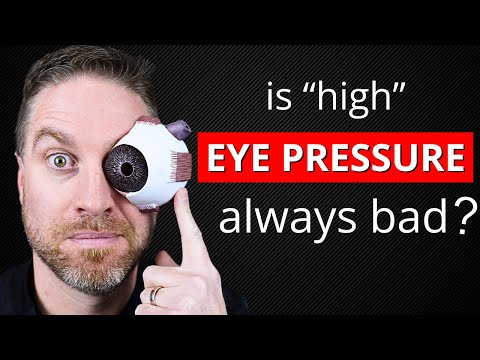
High eye pressure, often known as ocular hypertension, is when the pressure inside your eyes exceeds normal levels. Think of your eye like a balloon. If too much air gets pumped in, it can stretch and become potentially damaging.
What Causes High Eye Pressure?
There are various factors that can lead to high eye pressure. Genetic predisposition is one significant factor. If someone in your family has had issues with eye pressure, it might be more common for you too.
Certain medical conditions also play a role. For example, diabetes and high blood pressure can increase the risk of developing ocular hypertension.
Another trigger could be overproduction of a fluid called aqueous humor—this fluid keeps our eyes nourished and maintains their shape. If the liquid is made faster than it drains out, that leads to increased pressure.
Recognizing The Symptoms
You might wonder how can you tell if your eye pressure is high? Well, the tricky part is that many people don’t experience symptoms until significant damage has been done. If you do notice symptoms like blurred vision or headaches around the eyes, it’s worth consulting with an eye care professional.
Tests to Measure Eye Pressure
Your doctor can perform several tests to check for high eye pressure. One common method involves using a tonometer—a device that gently touches your eye to measure its internal pressure.
Another test might involve checking your visual field. This helps determine if there’s any loss in peripheral vision which isn’t visible right away but could indicate problems.
Potential Solutions
If you find out you have high eye pressure, what’s next? Usually, doctors may recommend monitoring first—keeping an eye on the situation without immediate treatment if there’s no damage or symptoms present yet.
If treatment is necessary though, medications are often prescribed in the form of eyedrops to help lower that intraocular pressure by improving drainage or decreasing fluid production within the eyes.
Lifestyle Adjustments That May Help
- Regular exercise: Staying active improves circulation and may help manage pressures within the body.
- A healthy diet: Foods rich in antioxidants such as fruits and vegetables can support overall health including eye health.
- Avoiding excessive caffeine: Too much caffeine can lead to temporary spikes in blood pressure including within the eyes which isn’t ideal.
The Importance of Regular Eye Check-ups
The takeaway here? Regular check-ups are crucial especially if there’s a family history of glaucoma or other vision problems. Early detection leads to better management options down the line—and who doesn’t want their vision secured for years ahead?
A Final Note
Learining about ocular hypertension empowers us all to take proactive steps regarding our health. Keeping tabs on those little signs can make a big difference!
Uncovering the Signs You Shouldn’t Ignore
Understanding Ocular Hypertension: Signs You Shouldn’t Ignore
Ocular hypertension is a condition where the pressure inside your eyes is higher than normal. Look, it’s essential to recognize the signs and symptoms because, sometimes, it can lead to serious eye issues like glaucoma.
What Causes Ocular Hypertension?
So, what causes this increased pressure? It can be due to various factors. For instance, if your eyes don’t drain fluid like they should, that’s a big red flag. Other reasons might include certain medications or even a family history of eye problems.
Key Symptoms to Watch For
Here’s the thing: often there aren’t noticeable symptoms in the early stages. That’s why regular eye exams are important! However, some people might experience slight discomfort or blurred vision.
- Persistent headache: Especially around or behind your eyes.
- Pressure sensation: It feels like there’s something pushing on your eyeball.
- Narrowed vision: Like you’re peeking through a tunnel.
If you start noticing these symptoms, it might be time to consult with an eye care professional. Ignoring them could really worsen things down the line.
The Importance of Eye Tests
You know how we get our routine check-ups for our overall health? Eye tests are just as crucial. During these exams, they measure intraocular pressure (IOP). That’s just a fancy term for how much pressure is in your eyeball.
- Tonometer test: This measures the IOP directly.
- Pachymetry: It checks corneal thickness which affects pressure readings.
- Cup-to-disc ratio assessment: Helps detect any potential optic nerve issues.
If you’re told you have ocular hypertension after these tests, don’t panic! It’s not an automatic diagnosis of glaucoma but it does mean keeping an closer eye on things (pun intended).
Myths vs. Facts
You might hear all sorts of myths about ocular hypertension. Thing is, elevating pressures don’t always mean you’ll go blind or have severe problems right away. But yes, regular monitoring is key!
- Mistake 1: “Only older people get ocular hypertension.” False! Young adults can also develop it!
- Mistake 2: “You’ll know when you have it.” Nah, often there are no symptoms until it’s more advanced!
The Bottom Line
Your eyes are incredibly important—don’t take them for granted. Be proactive about your health by scheduling regular eye exams and reporting any unusual changes promptly. Remember that early detection makes a world of difference in managing conditions like ocular hypertension effectively and safeguarding your vision long term!
Understanding the Risks of Elevated Eye Pressure
Elevated eye pressure, also known as ocular hypertension, is a condition where the pressure inside your eye is higher than normal. It’s kind of like a tire with too much air—it can lead to problems if not addressed. But what causes this, and why should we care?
Causes of Ocular Hypertension
There are several potential causes for elevated eye pressure. One major factor is fluid buildup in the eye. Think about how water can accumulate in a garden when there’s no drainage; it’s similar inside your eye when the fluid isn’t flowing properly.
Some people might inherit this condition, meaning it runs in families. It’s like getting blue eyes or curly hair from your parents—some traits just pass down! Other factors include certain medications or health conditions like diabetes or hypertension.
Symptoms: What to Look For
The tricky part about ocular hypertension is that it often doesn’t present noticeable symptoms at first. Many people don’t realize they have it until they’re tested during an eye exam—kind of like going to the dentist for a check-up and finding out you have a cavity!
If left unchecked, however, elevated pressure can lead to glaucoma, which can damage your optic nerve and affect vision. You may start noticing issues with peripheral vision first; imagine trying to watch a movie but only seeing part of the screen—that could be what happens as vision gets affected.
Tests Used for Detection
If you go for an eye exam and your doctor suspects elevated pressure, they’ll likely perform some tests. One common test is called tonometry, which measures the pressure in your eyes using either a small puff of air or a gentle touch with an instrument.
Your doctor may also check for any signs of damage to the optic nerve or other visual issues using imaging tests. This help ensures that they get a complete picture of what’s going on inside your eyes.
The Importance Of Monitoring Eye Pressure
You might wonder why it’s necessary to keep tabs on something you can’t see affecting you day-to-day. The simple answer? Prevention! Just like regular health check-ups help catch problems early on in other parts of our body, keeping an eye on intraocular pressure helps catch issues before they escalate.
- Regular Exams: Visiting an optometrist or ophthalmologist regularly helps maintain good eye health.
- Lifestyle Choices: Factors such as diet and exercise play roles too; healthy habits make difference!
- Avoiding Stress: Stress management could benefit overall wellbeing—this includes keeping those peepers healthy!
Myths vs Facts
A common myth is that only older people develop elevated eye pressure—it’s not true! Ocular hypertension can affect anyone at any age depending on risk factors like family history or underlying conditions.
An interesting point is that having elevated eye pressure doesn’t automatically mean you will develop glaucoma. Many folks live their lives without ever experiencing significant issues from ocular hypertension.
Your Next Steps
If you’ve learned about ocular hypertension and think it might apply to you—or even if you’re just doing some research—talking to an eye care professional would be wise. They’ll help clarify anything unclear and suggest what steps are appropriate based on personal circumstances.
This knowledge empowers us—you know? Being educated about our bodies allows us better take ownership over our health journey!
Understanding Ocular Hypertension: Causes, Symptoms, and Tests
Ocular hypertension is a condition where the pressure inside the eye, known as intraocular pressure (IOP), is higher than normal. This can be concerning because it may lead to glaucoma, which can affect vision. It’s crucial to understand what causes this increased pressure and how it can be detected.
The causes of ocular hypertension often involve an imbalance in the production and drainage of fluid within the eye. Sometimes, genetic factors play a role, meaning if family members have had similar issues, your chances might increase. Other factors include age and certain medical conditions like diabetes.
Symptoms are often subtle. In fact, many people don’t notice any problems at all until significant damage has occurred to their optic nerve. This is why regular eye exams are essential for early detection.
Eye care professionals use several tests to diagnose ocular hypertension. Tonometry measures the eye’s pressure. Another critical test is perimetry, which checks your peripheral vision for any loss that may signal damage to the optic nerve.
Managing ocular hypertension usually involves monitoring rather than immediate treatment unless there’s a risk of glaucoma development. Eye drops might also be prescribed to lower IOP if necessary.
Understanding this condition can empower individuals to seek timely care and mitigate potential risks to their eyesight. Regular check-ups with an eye specialist become not just important but vital in maintaining overall ocular health.