The information provided in this article is intended solely for general informational and educational purposes. It does not constitute medical advice, diagnosis or professional treatment, and should not be considered a substitute for consultation with a qualified doctor or other licensed healthcare professional. Any health-related decisions should be made in consultation with accredited medical professionals.
While efforts have been made to ensure the information is accurate and up to date, no guarantees are given—either express or implied—regarding its accuracy, completeness, currency or suitability. Use of this information is at your own discretion.
It is strongly recommended to consult official sources such as the NHS (National Health Service) or other recognised medical institutions before acting on any information contained on this website or article. Under no circumstances should professional medical advice be ignored or delayed due to content read here.
This content is of a general and informational nature only. It is not intended to replace individualised guidance from a healthcare professional or to establish any doctor-patient relationship. The publication of this information does not imply any professional responsibility, guarantee or obligation on the part of the author or this site.
Have you ever thought about how your arteries might feel? Sounds wild, right? But seriously, understanding what happens inside your body can be eye-opening. Arteriosclerosis and atherosclerosis are two terms you might have heard but aren’t completely sure about. Both are crucial to grasp when thinking about heart health.
So, what’s the deal with these conditions? Well, arteriosclerosis is when arteries stiffen and lose their elasticity. On the other hand, atherosclerosis involves plaque build-up inside those arteries. It’s like trying to get through a crowded hallway; the more obstacles there are, the harder it is to pass.
This article will break down what these conditions mean for you—how they develop, their signs, and ways to take care of yourself if they do arise. Knowing this stuff isn’t just for healthcare professionals; it’s for anyone wanting to live a healthier life.
Just remember: while this info is helpful, it doesn’t replace professional medical advice. Always consult a healthcare provider for personal health decisions.
Understanding the Subtle Differences Between Two Common Cardiovascular Conditions
Understanding Arteriosclerosis and Atherosclerosis
Hey, a lot of folks mix up arteriosclerosis and atherosclerosis. It’s understandable since they sound similar and both affect blood vessels. But there are key differences that matter for health. Let’s break it down.
What is Arteriosclerosis?
Arteriosclerosis is like the general term for thickening and stiffening of the arteries. Think of your blood vessels as flexible balloons. Now, if those balloons get hard over time, that’s what’s happening with arteriosclerosis. It can happen with age, making it harder for blood to flow.
This condition can lead to high blood pressure and it may cause organs not to get enough oxygenated blood over time.
And Atherosclerosis?
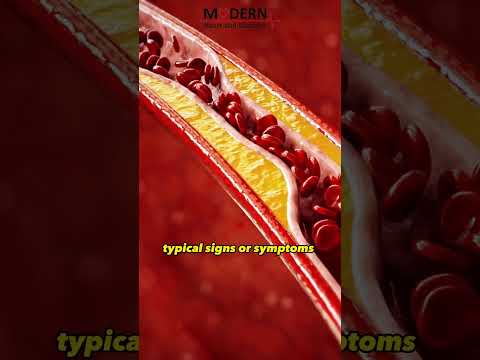
Atherosclerosis is more specific. It’s a type of arteriosclerosis caused by plaque buildup inside the arteries. This plaque is made up of cholesterol, fat, and other substances from the bloodstream. Imagine gunk building up in your kitchen sink—it’s kinda like that!
The more plaque there is, the narrower the artery becomes, making it tough for blood to reach your heart or brain, which can lead to heart attacks or strokes.
Signs to Look Out For
- Arteriosclerosis: Often has no symptoms until complications arise. High blood pressure may be one sign.
- Atherosclerosis: Symptoms might include chest pain when exercising or shortness of breath due to restricted blood flow.
Caring for Your Cardiovascular Health
You might wonder how to take care of your arteries. A balanced diet rich in fruits, veggies, whole grains and lean proteins helps a lot! Regular exercise can strengthen your heart too—just think about moving instead of binge-watching all day!
Avoiding smoking and limiting alcohol intake also play big roles in maintaining healthy arteries.
Both conditions could potentially lead to serious issues down the line if not monitored properly. Regular checkups with a healthcare professional can help catch any problems early on.
Mistakes & Myths
It’s easy for myths about heart health to spread around! One common myth is that only older people deal with these conditions; younger folks shouldn’t feel invincible either! Lifestyle factors like diet and stress impact cardiovascular wellness at any age.
If you’re hearing terms like “cholesterol” thrown around all the time but don’t really understand what they mean or how they relate to these conditions—you’re not alone! Knowledge really empowers you in taking charge of your health.
Your Heart Matters
Your cardiovascular system deserves attention and care at every stage in life.
By grasping these subtle differences between arteriosclerosis and atherosclerosis, you’re taking important steps in understanding how best to care for yourself.
Remember: staying informed leads you toward healthier choices!
Unlocking Heart Health: Innovative Approaches to Overcoming Atherosclerosis
Understanding Atherosclerosis
Atherosclerosis is like a slow build-up of gunk in your arteries. Think of it as a pipe getting clogged over time. This gunk is made up of fat, cholesterol, and other substances. When it accumulates, it narrows the arteries and can reduce blood flow. That’s why understanding this process matters.
Signs and Symptoms
Many folks might not notice anything at first. Sometimes, there are no symptoms until it’s advanced. However, some signs can alert you: chest pain or discomfort called angina, fatigue with exertion, or shortness of breath.
How Does It Happen?
Atherosclerosis usually starts when the inner lining of an artery gets damaged. This damage could be due to high blood pressure, smoking, diabetes, or high cholesterol levels. Once that lining is compromised, cholesterol molecules start stickin to the walls and trigger inflammation.
The Role of Lifestyle
Your lifestyle plays a major role here! Eating a balanced diet rich in fruits and veggies can help keep your arteries healthy. Regular physical activity also strengthens your heart by improving how blood flows through your body.
Innovative Approaches to Care
Researchers are always looking for new ways to tackle atherosclerosis. One exciting area is the development of medications that target specific processes involved in its progression. For instance, some drugs lower cholesterol levels effectively while others reduce inflammation within the arteries.
Technological Advances
Beyond medications, technology is making strides too! Procedures like angioplasty can open blocked arteries—think about using a balloon to inflate that clogged pipe we mentioned earlier. By doing so doctors restore better blood flow.
Nutritional Support
Pursuing nutritious food options isn’t just important; it’s vital! Foods rich in omega-3 fatty acids—like salmon or walnuts—may have protective effects against heart diseases including atherosclerosis.
Myths vs Facts
- Myth: Only older people get atherosclerosis.
Fact: It can start early in life due to unhealthy habits. - Myth: You’ll see obvious symptoms right away.
Fact: Many folks might not notice anything until serious issues arise! - Myth:You can’t do much once you have it.
Fact:You can still make positive changes through diet and exercise!
The Importance of Regular Check-ups
Taking control means staying informed! Regular check-ups with healthcare providers help monitor risk factors like blood pressure and cholesterol levels early on. This way you’re best prepared for any potential problems down the line.
Pills Aren’t Everything
A lot of times there’s an inclination to rely solely on medication for managing health conditions related to arteries—but that shouldn’t be the only strategy you consider! Lifestyle modifications play an indispensable role too!
If you’re curious about heart health or feel concerned about atherosclerosis letting someone know who understands these topics is key; together you could navigate these challenges more effectively.It’s all about being proactive towards better health!
Unraveling the Silent Threat: What Leads to Artery Blockage
Understanding Artery Blockage
Hey, have you ever thought about what really causes artery blockage? It’s a serious issue and involves two main conditions: arteriosclerosis and atherosclerosis. Let’s break these down.
What is Arteriosclerosis?
The term “arteriosclerosis” refers to the thickening and hardening of the arteries. Imagine your garden hose becoming stiff over time. It doesn’t flow water very well, right? Similarly, when arteries harden, blood has a harder time moving through them. This can lead to high blood pressure and other problems.
A Closer Look at Atherosclerosis
Atherosclerosis is a specific type of arteriosclerosis. Here, fatty deposits called plaques build up on artery walls. Think of it like grease building up inside your kitchen pipes—it clogs them up! These plaques mainly consist of cholesterol, but also other substances like calcium.
What’s Behind These Conditions?
There are several factors that contribute to these issues:
- Poor Diet: Consuming too many saturated fats and trans fats can raise cholesterol levels.
- Lack of Exercise: Physical inactivity can lead to weight gain and poor cardiovascular health.
- Smoking: Tobacco smoke damages blood vessels making them more prone to plaque buildup.
- High Blood Pressure: This adds stress on arteries, increasing the risk of damage.
- Diabetes: High sugar levels hurt your arteries over time.
The Warning Signs
You might wonder how to know if you’re facing these problems early on. Well, many times there are no symptoms until serious damage has been done. Sometimes people experience chest pain or shortness of breath during physical activities. If that happens, it’s important to see someone who can help assess your heart health.
Caring for Your Arteries
Caring for your arterial health is essential! Simple lifestyle changes can make a big difference:
- Eatin’ Right: Focus on fruits, vegetables, whole grains, and lean proteins—your arteries will thank you!
- Kicking the Habit: If you smoke, quitting reduces risks significantly.
- Makin’ Time for Exercise: Aim for at least 150 minutes a week—walking counts!
A Final Thought
The thing is that understanding how our lifestyle affects artery health empowers us. Prevention goes a long way in keeping our heart healthy long-term, you know? So take small steps today for a healthier future!
Understanding Arteriosclerosis and Atherosclerosis: Signs & Care
Arteriosclerosis and atherosclerosis are terms often used interchangeably, but they actually refer to different conditions. Both involve the hardening of arteries, which can lead to serious health issues. Understanding these conditions is crucial for prevention and care.
What is Arteriosclerosis?
Arteriosclerosis encompasses a range of diseases that cause thickening and stiffening of arterial walls. It can happen due to aging or other factors like high blood pressure. You might think of it like a garden hose that starts to get old and brittle—it doesn’t flow as freely anymore.
A Closer Look at Atherosclerosis
Atherosclerosis is a specific type of arteriosclerosis. In this condition, fatty deposits—called plaques—build up inside arteries. Imagine gunk collecting in a drain over time; eventually, it clogs the flow of water. This blockage can lead to heart attacks or strokes.
Signs & Symptoms
Both conditions might not show symptoms until serious damage occurs. Common signs include chest pain or discomfort (angina), fatigue during physical activities, and shortness of breath. It’s important to listen to your body!
Caring for Affected Individuals
Management usually involves lifestyle changes: eating a balanced diet, exercising regularly, and avoiding smoking. Sometimes medications are also necessary for control blood pressure or cholesterol levels.
The Importance of Regular Check-ups
Regular doctor visits play an essential role in preventing complications from these conditions. Monitoring risk factors like cholesterol levels and blood pressure can make a significant difference over time.
By understanding arteriosclerosis and atherosclerosis better, we empower ourselves to make informed choices about our health.