Exotropia is a fascinating condition that affects how our eyes work together. Imagine trying to watch a movie with one eye focused on the screen while the other gazes off into the corner of the room. That’s similar to what happens with exotropia. This eye misalignment can cause challenges in vision and depth perception, and it can occur occasionally or more consistently.
Understanding exotropia involves recognizing its signs, learning about the care options available, and gaining insights into its causes. Many people may not even realize they have it until they see it in themselves or others. The good news is that awareness and knowledge can lead to effective management.
However, it’s essential to approach this topic with an open mind and an understanding that each case is unique. Always seek guidance from various specialists—such as optometrists, ophthalmologists, or pediatricians—when exploring diagnosis and treatment options. Make sure you gather information from multiple reliable sources. This will empower you to make informed decisions about your or your child’s eye health. In a world full of opinions, taking time to educate yourself can be the key to finding the best path forward for vision care.
The information provided in this article is intended solely for general informational and educational purposes. It does not constitute medical advice, diagnosis or professional treatment, and should not be considered a substitute for consultation with a qualified doctor or other licensed healthcare professional. Any health-related decisions should be made in consultation with accredited medical professionals.
While efforts have been made to ensure the information is accurate and up to date, no guarantees are given—either express or implied—regarding its accuracy, completeness, currency or suitability. Use of this information is at your own discretion.
It is strongly recommended to consult official sources such as the NHS (National Health Service) or other recognised medical institutions before acting on any information contained on this website or article. Under no circumstances should professional medical advice be ignored or delayed due to content read here.
This content is of a general and informational nature only. It is not intended to replace individualised guidance from a healthcare professional or to establish any doctor-patient relationship. The publication of this information does not imply any professional responsibility, guarantee or obligation on the part of the author or this site.
Understanding the Eyes: Unraveling the Mystery of Exotropia
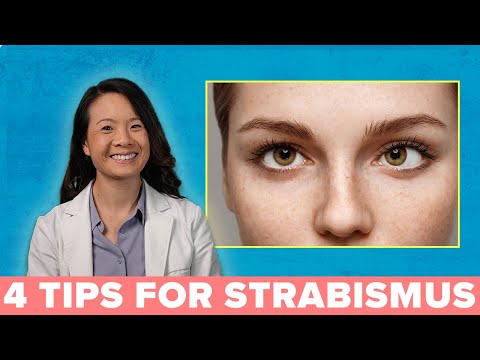
Understanding the eyes can sometimes feel like solving a puzzle. One piece of that puzzle is exotropia, a type of strabismus where one eye turns outward. This condition can occur in children and adults alike.
When a person has exotropia, they may appear to have one eye looking straight ahead while the other drifts away. This misalignment can happen all the time or only occasionally, particularly when tired or distracted.
Signs of Exotropia often include:
The causes of exotropia can vary. Some children are born with it due to muscle imbalances around the eye. In other cases, it might develop later in life from strain, fatigue, or after an illness.
Many parents notice signs during playtime or while watching TV. It’s essential to keep an open eye on these behaviors and seek guidance if needed.
Diagnosis usually involves a simple examination by a healthcare provider who will check how your eyes work together and how well they focus.
Treatment options might include:
Understanding the potential impacts is important as untreated exotropia may lead to problems like amblyopia (lazy eye), where one eye becomes weaker than the other.
It’s also key to note that not all treatments are suitable for everyone. Each person’s situation is unique and requires careful consideration by someone knowledgeable in this field.
Parents and individuals should stay informed about their vision health. If you notice symptoms of exotropia in yourself or your child, consider consulting with a qualified professional for advice tailored specifically for you.
Being aware of what allows our eyes to work together harmoniously helps improve overall vision health, enhancing daily activities and quality of life. Remember: understanding is the first step towards taking care of our intricate visual system!
The Hidden Consequences of Ignoring Eye Misalignment
Ignoring eye misalignment, like exotropia, can have several hidden consequences. Exotropia is when one or both eyes drift outward. It may look subtle but can disrupt many aspects of life.
When someone has eye misalignment, their depth perception can suffer. This is like trying to catch a ball with one eye closed. It makes activities like sports or driving more challenging and risky.
Another consequence is visual discomfort. People might experience eye strain, fatigue, or headaches from constantly trying to compensate for the misalignment. It’s similar to holding a heavy book at an awkward angle for too long – it gets tiring!
Socially, eye misalignment can affect confidence. Children and adults alike may feel self-conscious about their appearance. This could lead to avoiding social situations or even result in anxiety.
In some cases, ignoring these symptoms might lead to amblyopia. This condition occurs when the brain starts ignoring inputs from one eye. Over time, this results in reduced vision that cannot be corrected by glasses alone.
There’s also the risk of affecting academic performance in children. Visual issues can complicate reading and learning activities. If a child struggles with vision but doesn’t receive help, they may fall behind in school.
Early intervention is key! Recognizing signs of exotropia early on can help mitigate these effects. Parents should look for any clues like squinting or tilting the head when focusing on objects.
Understanding and addressing eye misalignment helps foster better visual health and overall well-being. It’s important not to overlook these signals your body sends you!
Unraveling the Connection Between Brain Health and Eye Alignment Issues
Understanding the connection between brain health and eye alignment issues can be quite fascinating. One example of this is exotropia, a condition where one eye turns outward, while the other focuses normally. This misalignment can lead to various visual problems.
Vision and Brain Communication
Our eyes and brain work closely together. The eyes send signals to the brain about what they see. If there’s an issue with eye alignment, like in exotropia, it can interfere with how well the brain processes these signals.
When both eyes aren’t aligned properly, the brain might struggle to combine images from each eye into a single perception. This can make depth perception challenging and can lead to double vision or confusion.
Signs of Exotropia
Some common signs of exotropia include:
If you notice these symptoms in yourself or someone else, it’s essential to seek guidance from a healthcare professional.
The Impact on Daily Life
Exotropia can affect daily activities like reading or playing sports. Children may struggle in school because they can’t see clearly or keep their eyes focused on tasks.
Moreover, untreated strabismus, which includes conditions like exotropia, may lead to amblyopia (lazy eye). This happens when the brain ignores signals from one eye over time.
Brain Development and Visual Processing
The early years are crucial for visual development. The connections between our visual system and the brain are built during this time. Proper alignment allows for healthy development. If there’s misalignment like in exotropia, it could potentially slow down this process.
In adults, prolonged misalignment may not only impact vision but also contribute to headaches and visual fatigue due to extra strain on eye muscles.
Treatment Options
There are multiple approaches for managing exotropia:
It’s crucial to have a comprehensive evaluation by a professional who understands individual needs for tailored treatment options.
A Holistic View of Health
Maintaining good overall health can support both brain function and visual well-being. Regular exercise promotes blood flow which is essential for nerve health including those involved in vision processing.
Eating a balanced diet rich in vitamins A, C, E, omega-3 fatty acids helps maintain overall health including that of your eyes and brain.
In conclusion, understanding how brain health connects with conditions like exotropia offers insights into our visual experiences. Being informed can help guide responsible decisions regarding one’s health journey. Always consult with healthcare professionals for advice tailored specifically for your circumstances.
Exotropia, often characterized by an outward turning of one or both eyes, is a condition that can significantly impact both vision and social interactions. Understanding this condition involves recognizing its signs, exploring effective care options, and fostering awareness of its implications.
When an individual has exotropia, it may not always be immediately noticeable. Common signs include eye wandering, difficulty focusing on objects, or noticing that one eye drifts outward when the other is aligned. This can lead to challenges in depth perception and hinder activities requiring precise visual coordination.
Care for exotropia can vary widely depending on the severity of the condition and age of the patient. Treatment options include vision therapy, glasses with prisms to help align vision, or surgery in more severe cases. Each approach aims to improve aesthetic appearance as well as functional vision.
Insights into the psychological impact of exotropia are equally important. Many individuals experience self-esteem issues due to their appearance or difficulties in social contexts. Open conversations about these feelings and support from family and friends are crucial for emotional well-being.
Overall, understanding exotropia goes beyond recognizing physical symptoms—it encompasses a holistic view of care. A patient-centered approach that includes routine check-ups and discussions about emotional health is vital for managing this condition effectively.