When it comes to children’s health, dental care often takes a back seat. Many parents might overlook the importance of oral hygiene in young ones, yet healthy teeth are vital for overall well-being. If you’re curious about the signs of rotten teeth, how they develop, and the best ways to care for your child’s smile, you’re in the right place.
Imagine your child’s smile as a beautiful garden. Just as weeds can choke the flowers if not removed, poor dental hygiene can lead to serious problems like cavities or rotten teeth. Catching these issues early is crucial! This is where we’ll explore common signs of dental decay, share eye-opening pictures, and provide practical care insights to protect those precious smiles.
However, it’s essential to understand that information from a variety of sources can help you make informed decisions about your child’s dental health. Always consult different specialists and reliable media outlets when researching issues like rotten teeth. Relying solely on one source may lead to misunderstandings or missed information. Your child’s health deserves a well-rounded approach!
The information provided in this article is intended solely for general informational and educational purposes. It does not constitute medical advice, diagnosis or professional treatment, and should not be considered a substitute for consultation with a qualified doctor or other licensed healthcare professional. Any health-related decisions should be made in consultation with accredited medical professionals.
While efforts have been made to ensure the information is accurate and up to date, no guarantees are given—either express or implied—regarding its accuracy, completeness, currency or suitability. Use of this information is at your own discretion.
It is strongly recommended to consult official sources such as the NHS (National Health Service) or other recognised medical institutions before acting on any information contained on this website or article. Under no circumstances should professional medical advice be ignored or delayed due to content read here.
This content is of a general and informational nature only. It is not intended to replace individualised guidance from a healthcare professional or to establish any doctor-patient relationship. The publication of this information does not imply any professional responsibility, guarantee or obligation on the part of the author or this site.
Spotting the Hidden Warnings of Childhood Cavities
When it comes to children’s dental health, spotting the early signs of cavities is key. Cavities, or dental caries, can sneak up on kids. Catching them early means better outcomes for your child’s teeth.
One common sign of a cavity is tooth sensitivity. If your child complains that hot or cold foods hurt their teeth, it could be a warning sign. Think of the tooth as a coat; when the coat gets damaged, it lets the cold in.
Another indication might be visible discoloration. If you notice dark spots or white patches on your child’s teeth, that can signal decay. Just like a piece of fruit that gets bruised over time.
You should also watch for changes in eating habits. If your child suddenly avoids certain foods they once loved, like apples or crunchy snacks, it could be due to discomfort caused by cavities.
Overall oral hygiene is important. If brushing becomes a struggle and your child’s breath smells bad often, this could suggest decay or poor oral health. Just like neglecting to water a plant leads to wilting leaves.
Regular dental check-ups are crucial too. The dentist can spot issues before they become serious problems. Think of it as taking your car for regular maintenance to avoid breakdowns later.
Finally, educate your child about brushing twice a day and flossing daily. These habits are like giving their teeth little hugs every day!
By staying alert to these signs and maintaining good hygiene practices, you can help protect your child’s smile from cavities and ensure their overall health stays strong. Encourage open conversations about dental care; children learn best when involved in their own health decisions.
Uncover the Early Warning Signs Your Smile is in Danger
Taking care of your child’s teeth is essential for their overall health. Good dental health can impact how they eat, speak, and feel about themselves. It’s important to recognize the early warning signs that their smile may be at risk.
One common issue in children is tooth decay. It often starts small but can lead to bigger problems if not addressed. Here are some signs to watch for:
Often, children may not express discomfort until it’s severe. So regular check-ins are key.
Another thing to pay attention to is changes in behavior around food. If kids avoid certain foods they once loved because they hurt to eat, that’s a red flag. They might also become picky eaters due to discomfort.
Regular dental visits are crucial as well. The dentist can spot problems before they get worse. These appointments help establish a routine and make kids comfortable with dental care.
When it comes to prevention, good habits start young. Teach your child about brushing twice a day and using fluoride toothpaste. Flossing should also begin as soon as two teeth touch each other.
Limiting sugary snacks and drinks can go a long way too. Sugars feed harmful bacteria that cause cavities.
If you suspect something is wrong with your child’s teeth, don’t hesitate to seek guidance from a trusted healthcare provider. Early intervention can prevent more extensive treatment later on.
Remember: A healthy smile contributes not just to physical well-being but also boosts confidence and happiness in children!
Uncovering the Hidden Truths Behind Cavities and Decay
Cavities and tooth decay are common issues, especially in children. Understanding the basics can help you take better care of your child’s teeth.
When we talk about cavities, we’re referring to small holes in the teeth caused by bacteria. These bacteria produce acid that eats away at the tooth structure. If untreated, cavities can lead to pain and infection.
Kids are particularly vulnerable because their enamel is still developing. Their sugary diets often contribute to cavity formation. Snacks like candy, cookies, and sugary drinks can quickly become enemies of dental health.
So, how can you spot cavities? Here are some
If you notice these signs, it’s important to consult a dental professional. Ignoring cavities can lead to more serious problems like infections or abscesses.
Now let’s talk prevention. Good oral hygiene is key! Encourage your child to brush their teeth twice a day with fluoride toothpaste and floss daily. Make it fun by choosing colorful toothbrushes or flavored toothpaste.
Another important step is regular dental check-ups. These visits allow for early detection of potential issues before they turn into serious problems.
Sugar isn’t the only culprit behind decay; acid also plays a role. Foods like citrus fruits and soft drinks can wear down enamel over time. Balance their diet with healthier options such as fruits, veggies, and whole grains.
Also consider sealants—a protective coating applied to molars where cavities often form. This can significantly reduce the risk of decay.
Let’s not forget about keeping water intake up! Drinking plenty of water helps wash away food particles and keeps saliva levels high—which protects against decay.
Lastly, education is essential! Teach your kids about the importance of oral health in an engaging way so they make informed choices themselves.
By staying informed and proactive, you can help protect your child’s smile from cavities and decay!
Caring for children’s dental health is vital, yet it’s a topic that often goes overlooked in broader health discussions. “Rotten Teeth in Kids: Signs, Pictures, and Care Insights” sheds light on an issue that can have profound effects on their overall well-being.
It’s striking how early dental decay can start. Many parents may not realize that a child’s baby teeth are just as susceptible to cavities as adult teeth. This is why early education about proper oral hygiene—like brushing twice daily and limiting sugary snacks—is essential.
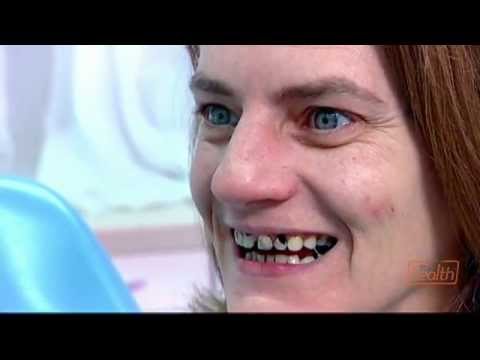
Recognizing the signs of tooth decay is crucial. Parents should look out for discoloration or visible holes in teeth. Pictures illustrating these symptoms can be very helpful, enabling families to identify issues sooner rather than later.
Another significant aspect to consider is the role of regular dental check-ups. These appointments not only help catch problems early but also establish good habits for children as they grow older.
In conclusion, addressing rotten teeth in kids requires awareness and proactive care from both parents and healthcare providers. By prioritizing dental health early on, we can help ensure children develop healthy smiles that last a lifetime.