The information provided in this article is intended solely for general informational and educational purposes. It does not constitute medical advice, diagnosis or professional treatment, and should not be considered a substitute for consultation with a qualified doctor or other licensed healthcare professional. Any health-related decisions should be made in consultation with accredited medical professionals.
While efforts have been made to ensure the information is accurate and up to date, no guarantees are given—either express or implied—regarding its accuracy, completeness, currency or suitability. Use of this information is at your own discretion.
It is strongly recommended to consult official sources such as the NHS (National Health Service) or other recognised medical institutions before acting on any information contained on this website or article. Under no circumstances should professional medical advice be ignored or delayed due to content read here.
This content is of a general and informational nature only. It is not intended to replace individualised guidance from a healthcare professional or to establish any doctor-patient relationship. The publication of this information does not imply any professional responsibility, guarantee or obligation on the part of the author or this site.
Have you ever noticed that some kids seem to grow and develop a bit differently? It’s a common concern for parents, and understanding why can be pretty confusing. One condition that might come up is Noonan Syndrome.
Noonan Syndrome is a genetic disorder. It affects many parts of the body, leading to unique physical features and health issues. But here’s the thing: every child is different, and the signs can vary widely.
This article will walk you through the key signs and symptoms of Noonan Syndrome in kids. We’ll break it down in simple terms so you can recognize what to look for if you’re worried about your child’s development.
Knowing more about this condition can help you understand your child better or support someone else going through similar challenges. Remember, this content doesn’t replace professional medical advice. Always consult a healthcare professional before making any health decisions based on what you read here.
Your concerns are valid, and together we can explore this topic in an approachable way.
A Visual Journey Through the Unique Features of Noonan Syndrome
Understanding Noonan Syndrome
Noonan syndrome is a genetic disorder that affects how the body develops. It’s not super common, affecting about 1 in 1000 to 2500 people. Think of it like a puzzle where some pieces are just a bit different, influencing how things fit together.
Signs and Symptoms
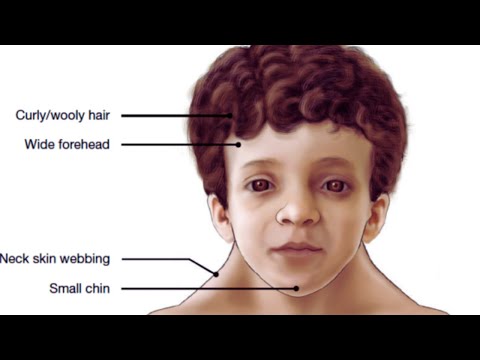
Kids with Noonan syndrome often show unique features. These can include distinctive facial characteristics such as wide-set eyes, a short neck, and low-set ears. Imagine drawing a face with slightly different proportions; that’s how it might look.
Besides appearance, other symptoms may arise. Some children have heart issues, specifically something called pulmonary stenosis. This is when the blood flow from the heart to the lungs is obstructed—like trying to push water through a narrow tube.
Growth and Development
A lot of kids with Noonan syndrome are shorter than their peers. It’s like being at a party and noticing some friends are just taller—it’s normal for them, but not for everyone else.
Learning difficulties can also occur but vary widely among children. Think about how everyone learns at their own pace; some may need extra help while others might sail through school.
Treatments and Management
Treatment depends on individual symptoms. For example, if there’s heart trouble, doctors might recommend surgery or medication to help manage it. It’s essential for families to work closely with healthcare providers to figure out the best approach.
Common Misconceptions
- Noonan syndrome isn’t something that can be caught like a cold; it’s inherited from parents in most cases.
- Not every child will display all the symptoms; it’s really unique to each person.
- Kids with this condition can lead fulfilling lives and often go on to do great things!
A Parental Perspective
If you’re parenting a child with Noonan syndrome, know that you’re not alone. A supportive community exists that shares experiences and tips on navigating challenges together.
The journey might come with bumps along the way—like learning how to ride a bicycle—but you’re building resilience together as a family
.
Understanding the Signs and Signals of Noonan Syndrome
Understanding Noonan Syndrome: Signs and Symptoms in Kids
Noonan syndrome is a genetic condition that affects many parts of the body. It can influence growth, heart function, and even appearance. So, let’s break it down into understandable bits.
What Are the Common Signs?
Kids with Noonan syndrome often have unique physical traits. For example, they might have a broad forehead or widely spaced eyes. Their ears can sometimes be larger than average or positioned lower on the head. These features vary from child to child.
- Short stature: Many kids with this condition grow shorter than their peers.
- Heart issues: About half of children may have heart defects like pulmonary stenosis, which affects blood flow.
- Increased flexibility: They might be more flexible than other children, which can lead to joint problems.
Might There Be Other Signs?
You know how some kids seem to get sick more often? Well, that could also relate to Noonan syndrome. They may have a weaker immune system at times. Also, learning difficulties can sometimes appear as they grow older.
- Cognitive challenges: Some children may face learning difficulties but most develop normally within a range of support.
- Poor muscle tone: Low muscle tone is common and can affect movement skills like sitting up or walking.
How Does This Affect Daily Life?
The effects of Noonan syndrome vary widely; some kids might just need regular check-ups while others may require frequent medical care. It’s important for families to stay connected with healthcare providers who understand this condition well.
A Real-Life Example
Take Emily for instance; she’s 7 years old and has Noonan syndrome. Her parents noticed she was much shorter than her classmates around age 5. After seeing a doctor, they learned about her heart issue and began regular monitoring. With proper support at school, Emily’s thriving academically despite some struggles with attention!
The Bottom Line
If you think your child exhibits signs of Noonan syndrome—or any unusual characteristics—it’s smart to talk to a health professional for guidance and possible tests! Early diagnosis leads to better management options later on.
Noonan syndrome doesn’t define your child entirely; it’s just one part of who they are! Understanding its signs signals allows families to provide the best care possible while navigating life’s challenges together.
Exploring the Distinct Features and Challenges of Two Unique Genetic Conditions
Understanding Noonan Syndrome: Signs and Symptoms in Kids
Noonan Syndrome is a genetic condition that affects how children grow and develop. It’s caused by changes in specific genes, which are like instructions for our bodies. Think of it as a recipe that sometimes has missing or different ingredients. This can lead to various challenges.
Kids with Noonan Syndrome might have distinct physical features. For example, they often have a broad forehead, droopy eyelids, and a short neck. It’s like their facial features are slightly different than other kids their age. But remember, every child is unique in their own way!
Common Signs
Along with physical traits, there can be other signs too. Some children experience heart problems; this can vary from mild to severe issues that need medical attention. Just like how some cars run smoothly while others might need repairs often.
- Short stature: Many children with Noonan Syndrome might be shorter than their peers.
- Learning disabilities: Some kids may struggle more than others in school.
- Skin issues: Such as tiny bumps or unusual pigmentation.
The Challenges
Living with Noonan Syndrome brings its share of challenges. For parents, understanding their child’s needs is crucial. Regular check-ups may be needed for heart health and growth monitoring; it’s all part of keeping track of how things are going.
Sometimes, social interactions can also be tricky for these kids because they may look or act differently than others. This can lead to feelings of isolation, which isn’t fun for anyone! Having supportive friends and family is so important.
A Typical Day
A typical day for a kid with Noonan Syndrome might include doctor visits along with school activities. They play sports or enjoy hobbies just like their friends do; it’s all about finding what makes them happy while managing any symptoms that arise.
Conclusion on Support
If you’re a parent or caregiver, staying informed helps a lot! Connecting with support groups can provide valuable resources and connect you to others navigating similar situations. Just remember: while Noonan Syndrome poses challenges, every child has their strengths too!
You know? Life’s journey varies from one person to another; understanding and compassion make the road smoother for everyone involved.
Understanding Noonan Syndrome: Signs and Symptoms in Kids
Noonan Syndrome is a genetic disorder that affects many aspects of a child’s development. It is quite common, occurring in about 1 in every 1,000 to 2,500 births. The condition can lead to distinct physical features and various health issues.
One key sign of Noonan Syndrome is characteristic facial features. Children might have wide-set eyes, low-set ears, or a broad forehead. These traits often become more apparent as they grow older.
Beyond appearance, the syndrome can impact growth. Many kids with Noonan Syndrome are shorter than their peers by the time they reach adulthood. Sometimes this is due to growth hormone deficiency, which means their bodies don’t produce enough of a hormone needed for growth.
Another aspect to consider is heart defects. It’s not uncommon for kids with this syndrome to have congenital heart problems, such as pulmonary stenosis or atrial septal defect. These issues require careful monitoring and sometimes surgery.
Kids may also face learning disabilities or social challenges. Some might struggle with speech delays or difficulty in expressing themselves. Supportive therapies can be immensely helpful here.
Apart from these signs, children with Noonan Syndrome may experience skin issues like pigmented nevi (moles) or other unique skin conditions. Keeping an eye on these can help manage any complications as they arise.
The journey for families dealing with Noonan Syndrome can be emotional and challenging but understanding the signs and symptoms leads to better management strategies and support systems.