Cysts on the skin can be puzzling and often raise concerns for many. These small lumps, which can appear anywhere on the body, are usually filled with fluid or semi-solid material. While they are generally harmless, they can evoke curiosity about their causes and whether treatment is necessary.
When you spot a cyst, it’s natural to wonder what it might be. Some people might describe them like balloons under the skin, squishy when you touch them. Others may compare them to small peas nestled in your flesh. Although they’re quite common and often benign, understanding what they are and what to expect if you have one is essential.
Warning: Exploring “Cysts on Skin: Real Pictures and What to Expect” may lead you down a path of vivid images that can evoke various emotions. It’s crucial to approach this topic with an informed mindset. While visuals can educate us, it’s always wise to consult different specialists—like dermatologists—alongside credible resources for accurate information. Each person’s experience can differ significantly, so gather knowledge from multiple perspectives before forming conclusions about your health or treatment options.
The information provided in this article is intended solely for general informational and educational purposes. It does not constitute medical advice, diagnosis or professional treatment, and should not be considered a substitute for consultation with a qualified doctor or other licensed healthcare professional. Any health-related decisions should be made in consultation with accredited medical professionals.
While efforts have been made to ensure the information is accurate and up to date, no guarantees are given—either express or implied—regarding its accuracy, completeness, currency or suitability. Use of this information is at your own discretion.
It is strongly recommended to consult official sources such as the NHS (National Health Service) or other recognised medical institutions before acting on any information contained on this website or article. Under no circumstances should professional medical advice be ignored or delayed due to content read here.
This content is of a general and informational nature only. It is not intended to replace individualised guidance from a healthcare professional or to establish any doctor-patient relationship. The publication of this information does not imply any professional responsibility, guarantee or obligation on the part of the author or this site.
Unveiling the Hidden Signs of Skin Cysts and How to Identify Them
Skin cysts are more common than you might think. They often appear as small lumps under the skin. While they can be harmless, knowing how to identify them is important.
So, what exactly is a skin cyst? Think of it as a tiny balloon filled with fluid or semi-solid material. They can develop anywhere on your body but are especially common on the face, neck, and back.
Here are some key signs to look for:
Sometimes cysts might get inflamed or infected. In this case, they could become red, swollen, and tender to touch. It’s important not to try squeezing them; this can cause infection or worsen inflammation.
Another common type is the sebaceous cyst, which forms from blocked oil glands. These can have a small dark spot in the center where the blockage occurs.
Cysts are generally not dangerous and often don’t require treatment unless they’re bothersome or painful. If you ever feel uncertain about a lump on your skin, it’s wise to consult with someone who has expertise in health matters.
Remember that self-diagnosing based on pictures online can be misleading. What looks like a cyst could actually be something else entirely.
It’s natural to feel concerned if you find something unusual on your skin. Stay informed and seek clarity as needed. Being aware of what’s normal for your body helps catch any changes early on.
In summary, skin cysts are usually benign growths that most people experience at some point. Recognizing their characteristics empowers you to make informed choices about your health and well-being.
Unraveling the Mystery Behind Cysts: What You Need to Know
Cysts are common, yet many people are unsure about them. They can form anywhere on the body but often appear on the skin. Understanding their nature can help you feel more informed.
A cyst is a closed sac filled with fluid or semi-solid material. Think of it like a balloon filled with air. The body can create these sacs for different reasons.
Causes of cysts include:
Many cysts don’t cause problems and are harmless. However, they can occasionally become painful or infected, leading to discomfort.
Most skin cysts are benign, meaning they’re not cancerous. A common type is the epidermoid cyst, which forms from skin cells that get trapped under the surface. These usually appear as small lumps.
If you notice a lump that changes size, color, or becomes painful, it’s wise to pay attention. While most cysts don’t need treatment, some may require medical evaluation to rule out more serious conditions.
Treating a cyst typically happens in two ways: observation or removal. If it’s small and painless, you might just leave it alone. If it’s bothersome or causes issues, a healthcare provider might recommend removing it.
Many people worry about what removing a cyst involves. It usually requires local anesthesia and is done in an outpatient setting—a simple process similar to getting a tooth pulled.
One crucial aspect to remember is not to squeeze or pop a cyst. This can lead to infection and scarring. It’s tempting because you want immediate results, but patience often leads to better outcomes.
Overall, understanding cysts helps demystify this common condition. They come in various forms and can affect anyone at any age without warning!
Stay informed about your health by asking questions when something doesn’t feel right on your body. Knowledge is key!
Understanding the Growth Patterns of Skin Cysts
Skin cysts are common and usually harmless growths. Understanding their growth patterns can help you feel more comfortable if you find one on your skin.
Cysts can develop anywhere on the body. They often appear as small bumps under the skin. They might feel round and have a smooth surface. Most cysts form when a hair follicle becomes clogged with oil, dead skin cells, or other debris.
When it comes to growth patterns, cysts can vary greatly. Some may grow slowly over time, while others can develop rapidly. Size matters; they might be as small as a pea or expand to several centimeters in width.
It’s important to note that most cysts don’t cause pain unless they become infected or inflamed. An infected cyst can become red, swollen, and tender to the touch. This is your body’s way of signaling that something isn’t right.
There are different types of cysts:
Cysts may not require treatment unless they’re bothersome or cause discomfort. If you opt for removal, it’s best done by a health professional who knows how to minimize complications.
Misinformation is everywhere. Some people believe that popping or squeezing a cyst will make it go away; this can lead to infection or scarring instead of relief.
If you find yourself dealing with a persistent or growing bump on your skin, keep an eye on it. It’s always wise to consult someone who understands skin health for guidance rather than relying solely on online information.
In summary, while many skin cysts are benign and don’t require any action, understanding their characteristics and growth patterns is key. Knowing when to seek help ensures you maintain both your skin health and peace of mind.
Cysts on the skin can often be a source of concern and confusion. These small, sac-like structures can appear anywhere on the body, and while they may look alarming, they are typically benign. Understanding what cysts are and how they present visually is important for managing any anxiety related to them.
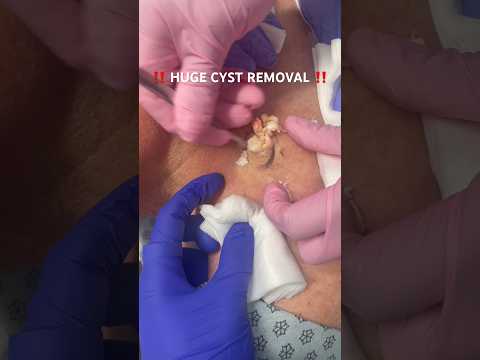
When you see pictures of skin cysts, it’s crucial to remember that not all bumps are the same. Common types include epidermoid cysts and sebaceous cysts, which often appear as round, dome-shaped lumps under the skin. They can range in size and may or may not cause discomfort.
Realistically, most cysts do not require immediate medical attention unless they become painful, infected, or bothersome. If a cyst is causing issues, it’s best to consult a healthcare provider for an accurate diagnosis. Treatment options vary from simple monitoring to surgical removal in some cases.
Being informed about the characteristics of skin cysts helps demystify them. It’s also essential to recognize that self-diagnosing based on images alone can be misleading. Always seek professional advice for any concerns regarding changes in your skin.
In conclusion, while visual resources can help you understand what cysts look like and what to expect regarding their behavior, ongoing education about these conditions is vital for effective management and peace of mind.