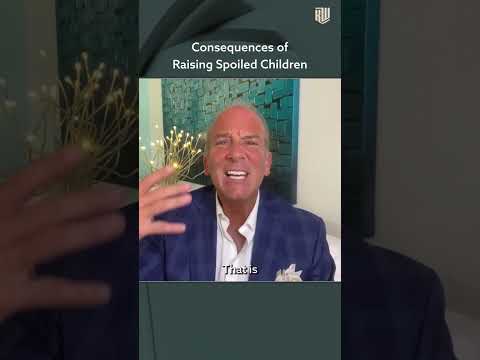
Navigating the landscape of parenting can sometimes feel like walking a tightrope. On one side, you want to nurture your child’s dreams and ambitions; on the other, you want to ensure they develop a robust sense of responsibility and gratitude. You might find yourself wondering: **Is my child spoiled rotten or just a little entitled?** This question can be tricky, as both terms often blur into one another.
Spoiling a child can happen overtly or subtly. A child who consistently receives whatever they desire without understanding the value of hard work may start to feel entitled. However, it’s also natural to want your child to feel loved and secure. This creates a delicate balance that many parents strive for.
As you ponder this topic, it’s important to be cautious. Mislabeling behaviors can lead to misunderstandings about your child’s needs. Each child is unique, shaped by their environment and experiences. If you’re uncertain about your observations or find challenges in parenting decisions, consider seeking insights from various specialists—child psychologists, educators, or even reputable parenting resources.
In our quest for clarity on whether our children are genuinely spoiled or simply navigating their world with a strong sense of self-worth, let’s remain open-minded and informed. Understanding these nuances can help foster healthier relationships between parents and children while promoting balanced development for the little ones we love.
The information provided in this article is intended solely for general informational and educational purposes. It does not constitute medical advice, diagnosis or professional treatment, and should not be considered a substitute for consultation with a qualified doctor or other licensed healthcare professional. Any health-related decisions should be made in consultation with accredited medical professionals.
While efforts have been made to ensure the information is accurate and up to date, no guarantees are given—either express or implied—regarding its accuracy, completeness, currency or suitability. Use of this information is at your own discretion.
It is strongly recommended to consult official sources such as the NHS (National Health Service) or other recognised medical institutions before acting on any information contained on this website or article. Under no circumstances should professional medical advice be ignored or delayed due to content read here.
This content is of a general and informational nature only. It is not intended to replace individualised guidance from a healthcare professional or to establish any doctor-patient relationship. The publication of this information does not imply any professional responsibility, guarantee or obligation on the part of the author or this site.
Understanding the Fine Line Between Overindulgence and Expectations
is crucial in parenting. It can shape a child’s personality and future behavior. Many parents worry about whether they are giving their child too much or not enough.
Overindulgence often leads to children expecting constant rewards. When kids receive everything they want, they might struggle with gratitude and empathy. This can result in them feeling entitled. Think of it like planting a tree without allowing it to grow strong roots. If you provide too much, the tree won’t stand tall against the storms of life.
On the other hand, having realistic expectations helps children understand limits and responsibilities. This builds resilience and character. It’s like teaching them to ride a bike: they need practice and occasional falls to learn balance.
To find balance, consider these key points:
It’s also important to model behavior. Children often mirror their parents’ actions more than words. If you show gratitude for your possessions, they’ll likely do the same.
Sometimes, healthy boundaries can be mistaken for being strict or unloving. However, it’s important to remember that love often means guiding your child to make smart choices rather than just giving them everything.
Understand that every child is unique; what works for one may not work for another. Stay attentive to your child’s needs while instilling values that will guide them through life.
At the end of the day, it’s about finding a balance between nurturing their desires and teaching valuable lessons about responsibility and appreciation.
Identifying the Signs of Overindulgence in Your Little One
Identifying signs of overindulgence in children can be tricky. It’s important to distinguish between typical childhood behavior and signs that might indicate a deeper issue. Many parents worry about whether their child is “spoiled” or simply entitled. Here are some signs to consider.
Frequent Tantrums: If your child throws a fit when they don’t get their way, it could be an indication of overindulgence. Kids need to learn that not every desire can be fulfilled.
Difficulty Sharing: Children who struggle to share or take turns may have been given too much too soon. Sharing is a crucial skill for social interaction.
Entitlement Attitude: A sense of entitlement means your child expects special treatment without earning it. This attitude can lead to problems as they grow older.
Unrealistic Expectations: If your little one believes they deserve the latest toys or gadgets constantly, it might reflect overindulgence rather than healthy aspirations.
Lack of Gratitude: When appreciation for gifts or favors is missing, it may show that the value of things is not being understood.
It’s also essential to communicate openly with your child. Talk about wants versus needs and explain why some things are off-limits.
Remind them that hard work often leads to rewards. Balancing fun with responsibilities will nurture both character and resilience.
Lastly, reflect on your own parenting practices. Are you setting limits? Are you demonstrating the values you want them to embody? Change starts at home!
Recognizing these signs early helps guide children toward healthier behaviors in the future. Remember, you’re helping them grow into responsible adults who appreciate what they have!
Understanding the Fine Line Between Love and Overindulgence
When it comes to parenting, the line between love and overindulgence can seem blurry. Many people wonder if their child is simply spoiled or just a bit entitled. Understanding this fine line is important for healthy child development.
Love often manifests as care, attention, and support. It’s about building a child’s confidence and self-esteem. On the other hand, overindulgence can lead to confusion about limits and boundaries.
A child who feels loved may thrive in an environment with reasonable expectations. When they receive too much without earning it, however, they may not learn important life skills like responsibility or gratitude.
Here are a few key points to consider:
It’s crucial to recognize signs of entitlement in children. If they expect special treatment or become unhappy when things don’t go their way, it could signal an issue.
Communication plays a vital role here too. Discussing feelings and expectations regularly helps children feel secure while learning how to navigate the world around them.
Remember that striking the right balance involves trial and error. Every child is unique, so what works for one might not work for another.
In conclusion, loving your child does not mean giving them everything they want right away. Instead, focus on providing unconditional support while also teaching them valuable life lessons about effort, patience, and gratitude.
By understanding this fine line between love and overindulgence, you can help your child grow into a well-rounded individual who values relationships and experiences more than material possessions.
When we consider whether a child is spoiled or merely entitled, it’s important to pause and reflect. Both concepts can deeply influence a child’s behavior, emotional health, and relationships. Spoiling often arises from providing too many toys or experiences without teaching boundaries, while entitlement might stem from a lack of appreciation for what they have.
Understanding Boundaries
Children thrive when they have clear boundaries. Just like fences keep gardens healthy, limits help kids understand expectations and consequences. Teaching kids the importance of delayed gratification can foster resilience and gratitude.
The Role of Consistency
A consistent approach from parents is crucial. When children receive mixed signals about what’s acceptable, it can lead to confusion. For instance, if one parent allows late bedtimes while the other enforces strict ones, children may develop a sense of entitlement based on who allows more freedom.
Encouraging Empathy
Helping children understand others’ perspectives builds empathy. Engaging them in community service or simple acts of kindness teaches that their actions impact those around them. This nurtures appreciation and diminishes feelings of entitlement.
Avoiding Comparisons
Constantly comparing one’s child to others can foster feelings of inadequacy or superiority. Instead, celebrate each child’s unique strengths and encourage personal growth.
In essence, navigating the fine line between spoiling and fostering entitlement requires keen observation and intentional parenting strategies. By promoting empathy, setting consistent boundaries, and encouraging gratitude, we can cultivate well-rounded individuals who value their experiences rather than expect them as rights.