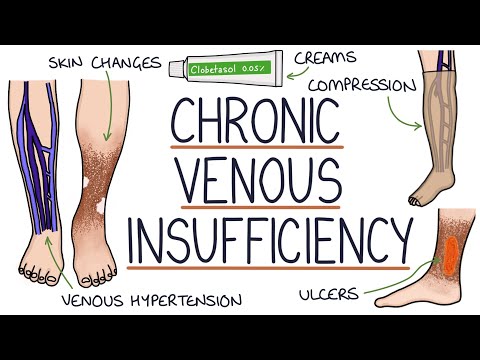
Have you ever noticed swollen legs or varicose veins and wondered what could be causing them? You’re not alone. These symptoms might point to a common condition known as venous insufficiency. This occurs when the veins struggle to return blood from the legs back to the heart, leading to discomfort and visible changes in skin texture.
Understanding venous insufficiency is like peeking beneath the surface of a complex yet fascinating system in our bodies. Imagine your veins as roads carrying blood traffic, but sometimes they get congested or blocked, causing backup. This can result from various factors, including genetics, prolonged standing or sitting, obesity, and even pregnancy.
Recognizing the signs is crucial. You might experience symptoms like swelling in your legs or ankles, aching pain after periods of standing, and even skin changes such as discoloration. Detecting these early signals can lead you on a path toward effective management.
However, it’s essential to remember that not all leg discomfort relates to venous insufficiency. It’s vital to seek information from multiple sources, including healthcare providers who specialize in vascular health. Misunderstanding these signs may lead people down an unnecessary worry path or delay treatment for more serious conditions.
So let’s dive deeper into why understanding venous insufficiency matters for your well-being!
The information provided in this article is intended solely for general informational and educational purposes. It does not constitute medical advice, diagnosis or professional treatment, and should not be considered a substitute for consultation with a qualified doctor or other licensed healthcare professional. Any health-related decisions should be made in consultation with accredited medical professionals.
While efforts have been made to ensure the information is accurate and up to date, no guarantees are given—either express or implied—regarding its accuracy, completeness, currency or suitability. Use of this information is at your own discretion.
It is strongly recommended to consult official sources such as the NHS (National Health Service) or other recognised medical institutions before acting on any information contained on this website or article. Under no circumstances should professional medical advice be ignored or delayed due to content read here.
This content is of a general and informational nature only. It is not intended to replace individualised guidance from a healthcare professional or to establish any doctor-patient relationship. The publication of this information does not imply any professional responsibility, guarantee or obligation on the part of the author or this site.
Unraveling the Hidden Factors Behind Poor Blood Flow in Your Legs
Poor blood flow in your legs can be a frustrating issue, often linked to a condition known as venous insufficiency. This happens when your veins struggle to return blood from your legs back to your heart.
Our veins have valves that act like one-way doors. When these valves don’t work properly, blood can flow backward and pool in the legs. This can lead to swelling, pain, and even skin changes over time.
Age is a critical factor. As we get older, our veins naturally weaken. Those age-related changes make it easier for venous insufficiency to develop.
More so, genetics play a role too. If someone in your family has had similar issues, you might be more likely to experience them as well.
Pregnancy is another common cause. The added weight and hormonal changes affect blood circulation in pregnant women, leading to temporary or permanent varicose veins.
Being sitting or standing for long periods doesn’t help either. It increases pressure in the leg veins and can worsen symptoms of poor circulation.
Certain medical conditions also contribute.
all increase the chances of developing venous insufficiency due to their effects on blood vessels.
Recognizing the signs of poor blood flow is essential. You might notice:
Sometimes skin changes occur as well, such as discoloration or ulcers that don’t heal properly.
Understanding these factors is crucial for making informed decisions about lifestyle changes that could improve circulation. Simple habits like elevating your legs regularly or taking breaks during prolonged sitting can help alleviate some symptoms.
If you suspect you have poor blood flow, talking with a healthcare provider about symptoms is an important step toward better understanding and managing your health. It’s always best to seek personalized advice based on individual needs and situations!
Uncovering the Hidden Triggers Behind Chronic Venous Insufficiency
Chronic venous insufficiency (CVI) can be a frustrating condition for many people. It occurs when your veins struggle to move blood back to the heart. Instead, blood pools in the lower legs, leading to swelling and discomfort.
Understanding the hidden triggers behind CVI is important for managing and preventing it. Although some causes are well known, others might not be as obvious.
First up, genetics. If your family has a history of vein problems, you’re more likely to experience CVI too. Think of it like inheriting eye color; certain traits just run in families.
Another significant trigger is age. As we get older, veins may weaken. They can lose elasticity and become less efficient at pushing blood upwards against gravity.
can also contribute to CVI. Jobs that require you to stay in one position can put extra pressure on leg veins.
Obesity plays a role as well. Carrying excess weight increases pressure within your veins. This added strain can lead to valve damage over time.
Hormonal changes, particularly in women during pregnancy or menopause, can worsen vein issues too. Hormones affect blood flow and can relax blood vessel walls, increasing the risk of pooling blood.
Some medical conditions are worth mentioning too. For instance, people with diabetes or high blood pressure may face an increased risk because these conditions impact circulation and vein health.
Lastly, inactivity is another hidden culprit. Regular movement helps pump blood through the veins effectively. Without it, circulation slows down and contributes to venous insufficiency.
Recognizing these triggers empowers you to make informed health choices. Small lifestyle changes can lead to better management of CVI symptoms and potentially improve quality of life.
Remember that everyone’s situation is unique. Consulting a healthcare professional for personalized advice is always a good step if you’re concerned about your venous health!
Unveiling the Signs and Symptoms of Poor Blood Flow in Your Legs
Understanding how blood flows through our bodies is essential for good health. When blood flow is poor, especially in the legs, it can lead to various symptoms that may affect your daily life.
Venous insufficiency is a common condition where the veins struggle to send blood back to the heart. This can happen due to weakened vein walls or damaged valves. It’s important to recognize the signs early.
Here are some common symptoms you might notice:
To visualize it better: think of your veins as highways for blood traffic. If there are blockages or if the “traffic signals” (valves) aren’t working properly, things can get backed up.
Many factors contribute to venous insufficiency. Being overweight, aging, and a lack of physical activity can increase risks. Genetics also plays a role; family history matters.
Additionally, certain lifestyles can aggravate poor circulation:
Managing these symptoms often starts with lifestyle changes. Regular exercise helps enhance blood circulation and strengthen leg muscles. Even simple activities like walking make a difference.
If you notice persistent signs of poor circulation in your legs, it’s wise to consult with someone who understands these issues deeply. Early intervention is key to preventing complications.
Knowledge is power when it comes to health. Understanding what affects your body and recognizing the signs allows you to make informed decisions about how best to care for yourself and stay healthy over time.
Understanding venous insufficiency is crucial for recognizing and addressing this common health issue. Essentially, it occurs when the veins in the legs struggle to return blood to the heart. This inefficiency can lead to various symptoms and complications if left untreated.
Causes of venous insufficiency are often linked to weakened valves in the veins. Over time, factors such as age, obesity, or a history of blood clots can contribute to this weakening. Genetics also play a role—if someone in your family has had similar problems, you may be more susceptible.
Recognizing the signs is key to early intervention. Common symptoms include swelling in the legs or ankles, pain or heaviness in the legs, and visible varicose veins. Sometimes, skin changes like discoloration or ulcers may appear as the condition progresses.
It’s important to approach this topic with both awareness and empathy; many people may not realize they have venous insufficiency until it becomes severe. By educating ourselves about its causes and signs, we can take proactive steps toward better vascular health.
Informed decisions regarding lifestyle changes—such as maintaining a healthy weight, staying active, and wearing compression stockings—can greatly impact management and outcomes. Engaging with healthcare professionals for personalized advice is also essential for anyone experiencing these symptoms. Understanding venous insufficiency empowers individuals to take charge of their health effectively.