Understanding the testes is more than just knowing what they are; it’s a journey into an essential part of human anatomy that plays a crucial role in male health. These small but mighty organs are not only responsible for producing sperm but also for generating hormones like testosterone, which influences everything from mood to muscle mass.
Imagine them as nature’s factory, where raw materials (sperm and hormones) are crafted to ensure the continuation of life and vitality. Yet, just like any factory, they can experience issues that may lead to health concerns. By exploring their structure, function, and common problems, we can better appreciate the importance of this often-overlooked aspect of reproductive health.
However, it’s vital to approach this topic with care. Misunderstandings about testes and related health issues abound in society. Some myths can be misleading or harmful if taken at face value. Always seek insights from various specialists and trusted sources when it comes to your health. Each body is unique, so informed decisions require diverse perspectives—knowledge is power!
The information provided in this article is intended solely for general informational and educational purposes. It does not constitute medical advice, diagnosis or professional treatment, and should not be considered a substitute for consultation with a qualified doctor or other licensed healthcare professional. Any health-related decisions should be made in consultation with accredited medical professionals.
While efforts have been made to ensure the information is accurate and up to date, no guarantees are given—either express or implied—regarding its accuracy, completeness, currency or suitability. Use of this information is at your own discretion.
It is strongly recommended to consult official sources such as the NHS (National Health Service) or other recognised medical institutions before acting on any information contained on this website or article. Under no circumstances should professional medical advice be ignored or delayed due to content read here.
This content is of a general and informational nature only. It is not intended to replace individualised guidance from a healthcare professional or to establish any doctor-patient relationship. The publication of this information does not imply any professional responsibility, guarantee or obligation on the part of the author or this site.
Uncovering the Hidden Issues That Affect Male Health
Understanding male health often starts with the anatomy of the testes. The testes are two small glands located in the scrotum, which hang outside the body. They have a crucial role in producing sperm and hormones like testosterone.
Many men might not think about their testes until a problem arises. But being aware of common health issues can help catch problems early. For example, testicular cancer is rare but is most commonly diagnosed in younger men. Regular self-examinations can help notice any unusual lumps or changes.
Another concern is **testicular torsion**, which happens when a testis twists and cuts off its blood supply. This requires immediate medical attention and can happen at any age, though it’s more common in adolescents.
Hormonal imbalances are also important to think about. Low testosterone can cause symptoms like fatigue, depression, and decreased libido. If you’ve noticed these changes, it might be worth discussing with a healthcare provider.
It’s essential to consider lifestyle factors too. Obesity, lack of exercise, and poor diet can all negatively impact testosterone levels and overall reproductive health.
Education is empowering when it comes to health. By staying informed about these issues related to the testes and general male health, individuals can make better choices and seek help when needed.
Make sure you’re proactive about your health by asking questions and seeking answers from reliable sources!
Essential Indicators to Watch for Your Testicular Health
Testicular health is an important part of overall male health. Understanding what to watch for can empower you to take charge of your well-being. Here are some essential indicators to consider.
First, be aware of pain or discomfort in the testicles. This could signal an underlying issue. If it’s persistent or severe, it’s a good idea to get it checked out.
Next, swelling or lumps shouldn’t be ignored. Healthy testicles should feel smooth and uniform. Any unusual lumps should prompt a visit with a healthcare provider.
Watch for changes in size or shape. It’s normal for one testicle to hang lower than the other, but significant changes can indicate problems.
Also, pay attention to color and texture. A change in color—like redness or darkening—and the texture becoming lumpy or irregular may suggest infection or other issues.
Another point is fertility issues. If you’re having trouble conceiving with a partner, this could be linked to testicular health.
Additionally, look out for changes in libido, which refers to your sexual drive. A sudden drop could reflect hormonal imbalances related to testicular function.
Lastly, keep an eye on any signs of fever or general illness. These might accompany infections like epididymitis or orchitis affecting the testes.
Maintaining regular self-exams can help you catch any abnormalities early. Get familiar with how your body normally feels so you can spot changes more easily.
Of course, if you notice anything unusual—especially when combined with other symptoms—consulting a healthcare provider is always wise. Taking action early can lead to better outcomes when it comes to your health!
Recognizing the Signs of Optimal Testicular Health
Understanding optimal testicular health is essential for overall well-being. The testes are responsible for producing sperm and hormones, particularly testosterone. Recognizing the signs of healthy testes can help you catch potential issues early.
What does optimal health look like?
Healthy testes typically feel smooth, firm, and are about the size of a small egg. They should not be swollen or painful. Here are some key signs to look out for:
Maintaining good hormone levels is also crucial. Symptoms like fatigue, low libido, or mood swings could indicate hormonal imbalances.
Self-exams can be a helpful way to monitor your testicular health. Doing this once a month can help you become familiar with what is normal for you. It’s best to perform self-exams after a warm shower when the skin is relaxed.
Remember, age and lifestyle factors can affect testicular health too. Regular exercise and a balanced diet contribute positively to hormonal balance and overall reproductive health.
If you notice any unusual changes—like swelling, pain, or persistent lumps—it’s important to seek medical advice promptly. Don’t ignore your body’s signals; they often speak volumes about your health status.
Lastly, there are myths around testicular health that need debunking. Wearing tight underwear or engaging in regular masturbation does not cause harm to your testes in general terms.
Educate yourself about these topics and encourage open conversations about male health issues with friends and healthcare providers when necessary. Staying informed helps ensure optimal health for you and those around you!
Understanding the anatomy and function of the testes is crucial for grasping male reproductive health. The testes are two small, egg-shaped organs located in the scrotum, responsible for producing sperm and testosterone. This dual role is vital for fertility and maintaining male characteristics.
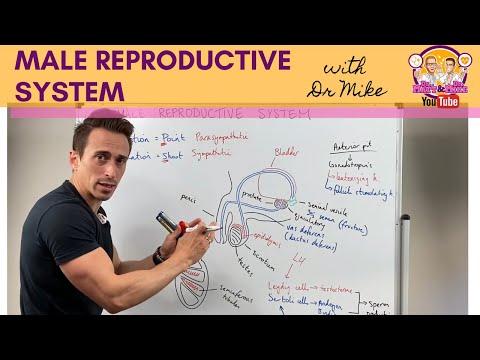
The testes have a complex structure. They contain seminiferous tubules where sperm cells are created, along with Leydig cells that produce testosterone. Think of it like a factory: the seminiferous tubules act as assembly lines for sperm production, while Leydig cells are like managers ensuring everything runs smoothly with hormone production.
Several health issues can affect the testes, such as infections, tumors, and hormonal imbalances. For instance, testicular cancer is rare but can occur in young men. It highlights the importance of regular self-exams to catch any unusual lumps early.
In addition to physical health concerns, mental health should not be overlooked. Issues with testosterone levels can lead to mood swings or depression in some individuals. Addressing both physical and mental well-being is key to overall health.
Education plays a significant role in promoting testicular health. Awareness about proper hygiene, regular check-ups, and understanding risk factors is essential. Engaging in conversations about male reproductive health can help break down stigma.
Ultimately, healthy habits contribute to good testicular function. A balanced diet, regular exercise, and avoiding harmful substances support both fertility and hormone balance.
In summary, understanding the testes not only involves knowing their anatomy but also recognizing their importance in overall male health and well-being. Knowledge empowers individuals to make informed decisions regarding their reproductive health.