The information provided in this article is intended solely for general informational and educational purposes. It does not constitute medical advice, diagnosis or professional treatment, and should not be considered a substitute for consultation with a qualified doctor or other licensed healthcare professional. Any health-related decisions should be made in consultation with accredited medical professionals.
While efforts have been made to ensure the information is accurate and up to date, no guarantees are given—either express or implied—regarding its accuracy, completeness, currency or suitability. Use of this information is at your own discretion.
It is strongly recommended to consult official sources such as the NHS (National Health Service) or other recognised medical institutions before acting on any information contained on this website or article. Under no circumstances should professional medical advice be ignored or delayed due to content read here.
This content is of a general and informational nature only. It is not intended to replace individualised guidance from a healthcare professional or to establish any doctor-patient relationship. The publication of this information does not imply any professional responsibility, guarantee or obligation on the part of the author or this site.
Understanding Your Colon: Anatomy, Function, and Health Tips
Have you ever thought about what happens to your food after it leaves your stomach? It’s a journey through your intestines, ending in the colon. Crazy, right? This often-overlooked part of our body plays a huge role in digestion and overall health.
Here’s the thing: many people don’t know much about their colon. Yet, understanding it can be empowering. This article will break down the anatomy of your colon, explain how it works, and offer tips for keeping it healthy. You might be surprised at how much better you feel just by being aware of this important organ.
But hey! Remember that this content isn’t a replacement for professional medical advice. If you’re having concerns about your health or making decisions related to it—always consult a healthcare professional. That way, you’ll get personalized guidance that’s right for you.
So let’s dive in! Knowing more about your colon could lead to big changes in how you think about digestion and wellness.
Uncover the Essential Roles of Your Body’s Hidden Hero
Understanding Your Colon: Anatomy, Function, and Health Tips
The colon, often called the large intestine, is like a hidden hero in your body. You might not think about it much, but it plays a crucial role in digestion and overall health. So let’s break down what it does.
Anatomy of the Colon
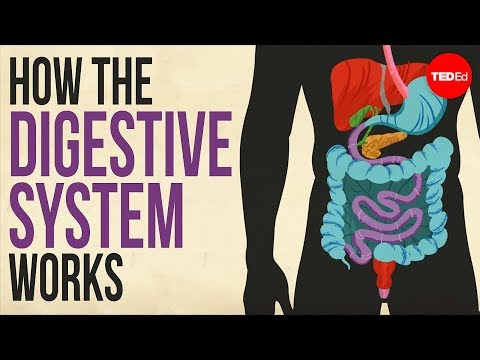
Your colon is about five feet long and shaped like an upside-down U. It consists of four main parts: the ascending colon, transverse colon, descending colon, and sigmoid colon. Each part has unique functions but works together seamlessly.
- Ascending Colon: This part absorbs water and salts from your food waste.
- Transverse Colon: Here’s where more absorption happens while food moves across your abdomen.
- Descending Colon: It stores leftover waste for a bit before it’s eliminated.
- Sigmoid Colon: The final stretch before waste heads to the rectum. Think of it as a holding area.
The Role of the Colon
The primary job of the colon is to process waste from your digestive system. After nutrients have been absorbed in the small intestine, what’s left goes to the colon. It’s kind of like filtering out all that’s unnecessary Bob!
The colon also helps maintain good gut bacteria—this is important for healthy digestion and even mood regulation. Yes! Your gut can influence how you feel; it’s kinda fascinating when you think about it!
Colon Health Tips
You might be wondering how to keep your colon happy – right? Here are some simple tips:
- Eat More Fiber: Think fruits, veggies, whole grains—they help keep things moving smoothly.
- Stay Hydrated: Drinking enough water softens stool and helps with elimination.
- Avoid Processed Foods: These can disrupt your gut bacteria balance, leading to issues over time.
If you’re noticing changes in bowel habits or discomfort that lasts longer than usual—it’s worth talking to someone about it. Your body communicates all sorts of things through those signals!
Mental Connection with Gut Health
This might sound surprising too—but stress can impact your gut health significantly! Ever had butterflies before a big day? That’s just one way your brain talks to your belly. Managing stress through practices like yoga or meditation could benefit both mind and body here.
A Final Note on Screening
This part is important: regular screenings for colorectal cancer are vital for early detection. Depending on risk factors age usually come into play here—so check with local recommendations on when to start screening!
Your colon may not get much glory compared to other organs like the heart or brain—but its impact on health should never be underestimated! With good habits and awareness; taking care of this hidden hero can lead to better overall well-being!
Unlocking the Secrets to a Happy Gut: Signs Your Colon is Thriving
Understanding Your Colon’s Role
The colon, or large intestine, is a vital part of your digestive system. Think of it as the final stretch on a road trip—where all the leftovers end up. It absorbs water and electrolytes from undigested food and prepares waste for elimination.
When your colon is functioning well, it often means that the whole digestive process is going smoothly. A thriving colon can contribute to your overall health. Like any system, it needs proper care to keep running efficiently.
Signs of a Happy Colon
- Regular Bowel Movements: Going to the bathroom anywhere from three times a week to three times a day is considered normal. If you’re in that range, that’s a good sign.
- Smooth Stools: The shape and consistency matters! You want stools that are soft enough to pass without straining but not too loose.
- No Discomfort: Feeling comfortable after meals is key. If you experience bloating or pain regularly, this might signal an issue.
- Minimal Gas: Everyone has gas—it’s natural! However, excessive gas can be an indicator of something being off with your gut health.
You Are What You Eat
Your diet plays a huge role in maintaining colon health. Eating plenty of fiber-rich foods—like fruits, veggies, beans, and whole grains—helps promote regularity. Fiber acts like a broom, sweeping everything along so you don’t get blocked up.
You know how sometimes we crave junk food? Well, indulging in things high in sugar and fat can lead to digestive troubles if done too often. So balance is key!
The Importance of Hydration
This might sound obvious but drinking enough water is essential for your gut health. Water aids in breaking down food and helps the colon absorb nutrients effectively. Imagine trying to clean something without water; it’s tough!
Mental Health Matters
Your emotions can affect your gut too! Stress can lead to inflammation and disrupt digestion—not what we want for our colons! Practices like mindfulness or gentle exercise can help maintain both mental and gut health simultaneously.
Avoiding Red Flags
- Sudden Changes: If you notice significant changes in bowel habits or stool characteristics persisting over time, consider reaching out for advice.
- Painful Symptoms: Persistent abdominal pain or discomfort shouldn’t be ignored—it can indicate an underlying issue.
- Unexplained Weight Loss: Losing weight without trying may point toward something needing attention in your digestive tract.
Caring for Your Colon Over Time
Lifelong habits are crucial for long-term colon health. Regular physical activity boosts digestion and keeps things moving along nicely. Aim for at least 30 minutes most days—it doesn’t have to be all at once!
Total wellness encompasses more than just eating well or exercising; it’s about listening to what your body tells you over time. By being mindful of how you feel day-to-day regarding digestion—and possibly adjusting habits—you pave the way for having that happy gut!
Unveiling the Hidden Role of Your Body’s Unsung Hero
Under tanding Your Colon: Anatomy, Function, and Health Tip
Your colon, often overlooked, play a big role in your dige tive y tem. It’ part of the large inte tine, which i like the end of a long a embly line where all the nutrient proce ing happen . So let’ break it down.
Anatomy of the Colon
The colon i about 5 feet long and haped like a U. Think of it a a big loop with everal ection : the a cending colon, tran ver e colon, de cending colon, and igmoid colon. Each part ha it own job in proce ing wa te.
- A cending Colon: Start on your right ide and move up.
- Tran ver e Colon: Run acro your belly.
- De cending Colon: Goe down on your left ide.
- Sigmoid Colon: Connect to the rectum; it’ like a waiting area for wa te.
The Function of Your Colon
The main job? Ab orb water and alt from the leftover food matter. Think of it a queezing out moi ture from a ponge. Thi proce help turn liquid wa te into olid tool.
Your colon al o hou e trillion of bacteria—friendly one that aid in dige tion! The e microbe help break down food component that you might not dige t well on your own. It’ like having little helper working behind the cene !
Colon Health Tip
Caring for your colon i crucial for overall health. Here are ome imple idea :
- EAT FIBER: Fruit , vegetable , and whole grain are great ource . Fiber act like a broom that weep out wa te efficiently.
- STAY HYDRATED: Drinking plenty of water help keep everything moving moothly—kind of like oiling machinery!
- MOVE YOUR BODY: Regular exerci e boo t dige tion and help maintain healthy bowel movement .
- SCHEDULE CHECK-UPS: Talk to a healthcare provider about creening te t , e pecially if you’re over 50 or have ri k factor for colon i ue .
Mental Blockage About Colon Health
You might feel awkward di cu ing anything related to your bowel . Hone tly? Many people do! But it’ uper important to addre concern openly ince early detection can make all the difference in treatment outcome .
/* It’ important to recognize common mi conception a well; for in tance people ometime think that only older adult get colorectal cancer when younger folk can al o face ri k . Staying informed i key! */
The Bottom Line
Your colon might not get much glory compared to other organ like the heart or brain, but it truly i an un ung hero within our bodie . Paying attention to it function can lead to better dige tive health overall!
If you ever have concern about bowel habit or ymptom like per i tent pain or change in tool con i tency—don’t he itate! Talking thing through with omeone who know can really help clear up any worrie you may have.
Understanding Your Colon: Anatomy, Function, and Health Tips
The colon, or large intestine, plays a crucial role in your digestive system. It helps absorb water and salts from the food you eat and compacts waste for elimination. It’s approximately 5 feet long and divided into sections: the ascending colon, transverse colon, descending colon, and sigmoid colon.
So, what does this mean for your health? Well, a healthy colon is key to overall well-being. It can affect digestion, immune function, and even mood. Just think about it—when your gut isn’t happy, you might feel sluggish or have stomach discomfort.
Diet greatly influences colon health. Eating plenty of fiber-rich foods like fruits, vegetables, and whole grains can help keep things moving smoothly through your digestive tract. Fiber acts like a broom that sweeps away waste. Plus, staying hydrated is vital; water aids in digestion and prevents constipation.
There’s also the matter of gut bacteria—yes, those tiny living organisms that reside in your intestines. They play a massive role in digestion and even producing nutrients like vitamin K. A balanced diet supports beneficial bacteria while reducing harmful ones.
Regular check-ups are important too. Screening for conditions like colorectal cancer is crucial as many issues don’t show symptoms until later stages. Early detection makes treatment much easier down the line.
Incorporating exercise into your routine can also benefit your colon health significantly by promoting regular bowel movements.
So remember—take care of your colon! It involves simple lifestyle choices that lead to lasting benefits for your overall health.