The information provided in this article is intended solely for general informational and educational purposes. It does not constitute medical advice, diagnosis or professional treatment, and should not be considered a substitute for consultation with a qualified doctor or other licensed healthcare professional. Any health-related decisions should be made in consultation with accredited medical professionals.
While efforts have been made to ensure the information is accurate and up to date, no guarantees are given—either express or implied—regarding its accuracy, completeness, currency or suitability. Use of this information is at your own discretion.
It is strongly recommended to consult official sources such as the NHS (National Health Service) or other recognised medical institutions before acting on any information contained on this website or article. Under no circumstances should professional medical advice be ignored or delayed due to content read here.
This content is of a general and informational nature only. It is not intended to replace individualised guidance from a healthcare professional or to establish any doctor-patient relationship. The publication of this information does not imply any professional responsibility, guarantee or obligation on the part of the author or this site.
Have you ever wondered why some women experience menopause symptoms in their 20s or 30s? It’s surprising, right? This condition is known as Primary Ovarian Insufficiency (POI). It’s not just a rare occurrence; it affects about 1 in 100 women under 40. Understanding this can be crucial for those experiencing unexpected changes in their health.
POI can be a confusing term. Simply put, it means the ovaries stop working properly before the age of 40. This can lead to irregular periods, hot flashes, and other symptoms typically associated with menopause. If you or someone you know is facing this, it’s essential to understand what’s happening.
This article will walk you through the symptoms of POI and discuss ways to manage it. Knowing more about your body can empower you to seek appropriate care and feel more supported during tough times.
Remember, though: while this information is helpful, it’s not a replacement for professional medical advice. Always consult with a healthcare provider for personalized guidance regarding your health decisions.
Unlocking Your Body’s Potential for Hormonal Balance and Vitality
Understanding Primary Ovarian Insufficiency
So, let’s dive into primary ovarian insufficiency (POI). This condition, sometimes called premature ovarian failure, occurs when a woman’s ovaries stop functioning normally before age 40. It’s like your ovaries just hit the snooze button on producing eggs and hormones.
What are the Symptoms?
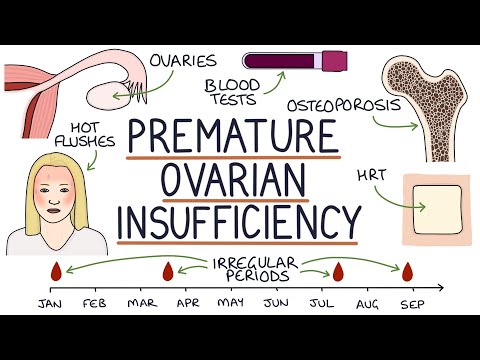
Women with POI often face various symptoms. Common signs include irregular menstrual cycles or even missing periods altogether. You might notice hot flashes—those sudden waves of heat that can be pretty uncomfortable.
Other symptoms may involve night sweats, mood swings, and trouble sleeping. It’s kind of like puberty all over again but in reverse! Some women also experience decreased libido or dry skin. It’s a mix of hormone changes and their effects on the body.
Causes of Primary Ovarian Insufficiency
The causes can vary widely. Genetics plays a role; sometimes, it’s inherited from family members. Autoimmune disorders might be involved too—where your immune system accidentally attacks your own body, including the ovaries.
Certain environmental factors or medical treatments can also contribute to POI. Chemo or radiation therapy for cancer treatment can impact ovarian function as well. So it’s a complex blend of factors at play here.
Coping with POI: What Can You Do?
You’re probably wondering how to handle this situation if you experience POI symptoms. First off, talking to a healthcare provider is crucial; they can provide guidance tailored to you.
- Hormone Replacement Therapy (HRT): Some women find relief through HRT, which helps restore hormone levels that have dipped.
- Lifestyle Changes: Regular exercise and balanced nutrition might help keep energy levels up and improve overall well-being.
- Mental Health Support: Engaging with support groups or therapists can be invaluable for navigating feelings associated with hormone changes.
A Real-Life Example
Let’s say you know someone who’s been diagnosed with POI. Initially, they might feel overwhelmed by the diagnosis. Through support from friends and family—and maybe even joining a support group—they discover they’re not alone in this journey.
Their provider suggests some lifestyle modifications and talks about HRT as an option. With time and effort, they start feeling more balanced both emotionally and physically.
Misinformation About Hormonal Balance
You might come across various myths about hormonal balance online—like diets claiming to “reset” hormones overnight or certain supplements being miracle cures. Thing is, it’s essential to approach such claims critically since science doesn’t always back them up fully.
- A healthy diet is important but can’t “reset” your hormones immediately—it takes time for changes in lifestyle to show results.
- No single supplement will solve hormonal issues; everyone’s body reacts differently!
Your Body’s Potential Starts Here
Your body’s potential for vitality begins with understanding itself better—even when dealing with conditions like POI! Stay informed and seek support along the way; it makes a world of difference in learning how to care for yourself throughout this process!
Understanding the Impact of Early Ovarian Decline on Longevity
Hey, so let’s chat about early ovarian decline. It’s a topic that affects many women but isn’t always well understood. First off, what do we mean by early ovarian decline? Essentially, it’s when the ovaries start producing fewer hormones, like estrogen and progesterone, earlier than typical.
Ovaries usually begin to slow down around the age of 40 to 50 during menopause. But in some cases—like in Primary Ovarian Insufficiency (POI)—this process can start much sooner. It’s like your body’s clock is ticking faster than usual; it may happen in your 20s or 30s even.
What Are the Symptoms?
You might wonder what signs to look for. Common symptoms include irregular periods, hot flashes, night sweats, and mood changes. Think about it: if you’re feeling unusually tired or having trouble with concentration, it could be linked to hormonal changes.
Sadly, these symptoms can make life pretty challenging. It’s like trying to drive a car with a flat tire—it can be done but not without difficulties. Many women experience frustration because their bodies seem out of sync.
The Longevity Connection
Now let’s dive deeper into longevity. Hormones play crucial roles in various bodily functions; they contribute to bone health and heart protection too. When there’s an early decline in ovarian function, some research suggests that this could potentially impact overall health and lifespan.
You see, lower estrogen levels are connected with higher risks of osteoporosis and cardiovascular diseases as you get older—two major factors influencing longevity. It’s kind of like investing money; if you don’t have enough capital (or hormones) saved up when you’re younger, you’ll face challenges later on.
Coping Strategies
If you or someone you know is dealing with early ovarian decline or POI, it’s essential to look at ways to manage symptoms and promote better health moving forward. Lifestyle choices can make a real difference! Regular exercise can boost mood and improve heart health; think of it as oiling the gears in your car for smoother travels.
A balanced diet rich in calcium and vitamin D helps support bone health too. You could try incorporating more leafy greens or dairy products into your meals—it doesn’t have to be overly complicated!
The Role of Care
Caring for yourself through this journey is crucial. Regular check-ups with healthcare professionals can help monitor any changes and address concerns before they escalate into bigger issues.
This isn’t just about managing symptoms either—it’s also about finding a supportive community where experiences are shared openly. Many women find comfort in connecting with others going through similar experiences.
A Final Note
Understanding early ovarian decline isn’t just about facing challenges head-on; it’s also about empowerment through knowledge and care options available today! Knowledge gives us tools—like a toolbox filled with all sorts of gadgets—to navigate whatever life throws our way!
If you want more information or need guidance on specific care options, consider reaching out to healthcare providers who specialize in women’s health for tailored advice that’s best suited to individual needs.
Recognize the Signs and Take Control of Your Health
Understanding Primary Ovarian Insufficiency: Symptoms and Care
Hey, let’s talk about primary ovarian insufficiency (POI). This condition happens when the ovaries stop working properly before age 40. It’s a little like your favorite store closing early; it just doesn’t operate when you expect it to.
One of the main signs of POI is irregular or missed periods. You might be used to having a routine, and suddenly things change. This can be confusing and frustrating.
Other symptoms can include hot flashes. Just think about that sudden wave of heat, similar to when you forget to turn on the AC in summer. Night sweats can also occur, which might make sleeping a bit tricky.
Emotional Ups and Downs
Sometimes, people with POI may notice mood swings or feelings of sadness. Imagine it’s like riding a roller coaster—with highs and lows that come unexpectedly.
Get Informed
If you’re experiencing these symptoms, seeking medical advice is a good step. Tests can help check hormone levels—these are like signals your body sends out to tell how it’s functioning.
Caring for Yourself
Easing the symptoms often starts with lifestyle changes. Regular exercise and eating healthy food are beneficial. It’s like tuning up your car; small adjustments can lead to better performance over time.
- Nutritional choices: Foods rich in calcium and vitamin D support bone health, which is crucial since reduced estrogen affects bones.
- Mental well-being: Finding support from friends or groups can make a big difference emotionally.
- Regular check-ups: Staying in touch with healthcare providers helps monitor any changes over time.
Remember, each person is unique! What works for one might not work for another. So it’s essential to listen to your own body—be your own best advocate!
The Bigger Picture
Proudly managing POI involves understanding yourself and staying informed. It’s important too not just focus on reproduction; overall health matters too! Think about it as tending to a garden: nurturing different plants makes for a more vibrant scenery.
If you have any questions or concerns about ovarian insufficiency or other related topics, keep asking! Knowledge is power after all!
Primary ovarian insufficiency, or POI, is a condition where the ovaries stop functioning normally before age 40. This can lead to various symptoms and challenges, impacting quality of life significantly.
Women with POI often experience irregular or absent menstrual cycles. Hormonal changes can cause hot flashes, mood swings, and even difficulty concentrating. It’s crucial to recognize these symptoms as they can be mistaken for other conditions.
Diagnosis typically involves a combination of medical history, physical exams, and blood tests to check hormone levels. Low levels of estrogen can indicate POI.
Care for those with POI should be comprehensive. Hormone replacement therapy (HRT) may be suggested to manage symptoms and protect bone health. Additionally, emotional support is vital since the diagnosis might bring feelings of loss or anxiety.
Importantly, fertility options exist even for women facing POI. Exploring avenues like egg donation or adoption can provide pathways to parenthood.
The journey through understanding and managing POI isn’t easy, but connecting with healthcare providers who specialize in this area can make a world of difference.