
The information provided in this article is intended solely for general informational and educational purposes. It does not constitute medical advice, diagnosis or professional treatment, and should not be considered a substitute for consultation with a qualified doctor or other licensed healthcare professional. Any health-related decisions should be made in consultation with accredited medical professionals.
While efforts have been made to ensure the information is accurate and up to date, no guarantees are given—either express or implied—regarding its accuracy, completeness, currency or suitability. Use of this information is at your own discretion.
It is strongly recommended to consult official sources such as the NHS (National Health Service) or other recognised medical institutions before acting on any information contained on this website or article. Under no circumstances should professional medical advice be ignored or delayed due to content read here.
This content is of a general and informational nature only. It is not intended to replace individualised guidance from a healthcare professional or to establish any doctor-patient relationship. The publication of this information does not imply any professional responsibility, guarantee or obligation on the part of the author or this site.
Have you ever felt a sudden, sharp pain in your lower abdomen and wondered what could be going on? It’s scary, right? Ovarian torsion might be one of the reasons. This is when an ovary twists around its supporting tissue, cutting off its blood supply. It can happen to anyone with ovaries, and the symptoms can be pretty intense.
This article dives into understanding ovarian torsion. We’ll explore what it is, how to recognize the symptoms—like that unexpected pain—and what treatment options are available. Knowing this information can really help if you or someone you know experiences these symptoms.
It’s important to understand that while we’re sharing useful insights here, this content doesn’t replace professional medical advice. Always chat with a healthcare professional before making health decisions. They’re the ones who can give the most accurate guidance tailored just for you.
So let’s get started and break it down together!
Effective Solutions for Timely Relief and Recovery
Understanding Ovarian Torsion
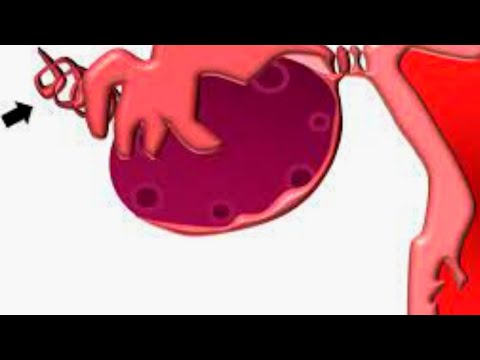
Ovarian torsion happens when an ovary twists around the ligaments that hold it in place. This can cut off its blood supply and cause severe pain. It’s like when a garden hose gets twisted and doesn’t let water flow. In this case, the ovary can’t get the nutrients it needs.
Symptoms to Watch For
The signs of ovarian torsion can be pretty intense. Women often experience sudden, sharp pain in the lower abdomen or pelvis. Sometimes, there might be nausea or vomiting involved too. It’s important to recognize these symptoms early.
Interestingly, some women might also feel pressure or discomfort while urinating. This is because the ovaries are located near the bladder and other parts of the reproductive system.
Treatment Options
Treatment for ovarian torsion usually involves surgery. The surgeon will untwist the ovary to restore blood flow. In some cases, they might even remove it if it’s too damaged, but that’s not always necessary.
Time is crucial here! Prompt action can greatly affect recovery rates and overall health outcomes, so if you suspect torsion, don’t hesitate to go to a hospital.
Recovery After Surgery
Post-surgery recovery varies from person to person. Many women may feel some discomfort but usually improve within a few days or weeks depending on how serious the condition was before treatment.
It’s normal to have questions about what comes next—like when you can return to regular activities or sport? Honestly, following your healthcare provider’s advice is key during recovery periods.
Mistakes and Misunderstandings
- Mistake 1: Not believing that ovarian torsion can happen without prior symptoms—it can happen suddenly!
- Mistake 2: Thinking pain automatically means something less severe; that’s not always true.
- Mistake 3: Ignoring persistent abdominal pain thinking it’s just cramps; pay attention!
A Final Note
If you ever experience symptoms like those mentioned above—don’t wait around! Contact someone who can help you figure things out—a healthcare professional will guide you through what’s happening and what steps are needed next.
Understanding the Intensity of Ovarian Torsion Discomfort
Ovarian torsion can be pretty distressing, both physically and emotionally. Basically, it happens when an ovary twists around the ligaments that hold it in place. This twist can cut off blood supply to the ovary, leading to some serious symptoms.
What Does It Feel Like?
Many women describe the pain as sudden and severe. It’s often located on one side of the lower abdomen. Imagine a cramp, but way more intense—like someone squeezing your insides. You might also feel nausea or even vomit because it’s such a jolting pain.
But here’s the thing: not everyone will experience the same level of discomfort. Some might feel mild aches while others are doubled over in agony. Factors like individual pain tolerance and how quickly blood flow is affected can really change things.
Why Is It So Intense?
The intensity mainly stems from lack of blood flow to the ovary. When that happens, tissue begins to die because it doesn’t get its necessary oxygen and nutrients. This process can create inflammation, which adds to that sharp feeling you get.
Another layer to think about is how our bodies react to pain. Stress hormones kick in when we’re in distress, heightening our perception of discomfort. So sometimes you’re not only dealing with physical pain but also emotional stress and anxiety—it’s a lot!
Recognizing Other Symptoms
Pain isn’t everything; there are other signs too! You might notice swelling or tenderness on one side of your abdomen or have unusual discharge if there’s something else going on down there.
If you’re experiencing fever or chills along with abdominal pain, that’s particularly concerning—these could indicate an infection or other issues that need attention right away.
Treatment Options
If ovarian torsion is suspected, seeking immediate medical attention is crucial as prompt treatment can save the ovary! Treatment typically involves surgery to untwist the ovaries and restore blood flow.
- Laparoscopic surgery is common for this condition; it’s minimally invasive.
- If there’s any tissue death, removal may be necessary—a hard decision for sure!
A Word About Recovery
The recovery period varies depending on individual factors like overall health and whether any additional procedures were done during surgery.
You might experience some discomfort for a while after surgery, but most people start feeling better fairly quickly with appropriate follow-up care and rest.
Conclusion
If you think you’re dealing with ovarian torsion symptoms—don’t wait! Understanding your body’s signals is important, so trust yourself if something feels off!
Understanding What to Expect After Ovarian Torsion Surgery
Ovarian torsion can be a scary experience. When an ovary twists, it cuts off its blood supply. Once treated, usually with surgery, many people wonder what happens next. Let’s explore what you might expect post-surgery.
Immediate Recovery
Right after surgery, you’ll likely feel groggy from the anesthesia. It’s pretty common to have some discomfort and possibly nausea too. Nurses will monitor you closely in the recovery area. They want to make sure you’re stable before sending you home.
Pain Management
It’s normal to experience pain after the operation, so pain management is important. Your healthcare team might provide medication for this. They will figure out what works best for you. It’s also key to communicate if your pain increases or changes.
Rest and Activity
A good rest is essential during recovery. You might feel tired or drained for a few days, and that’s ok! But as time passes, light activities like walking can be beneficial. Just listen to your body—if something hurts too much, it may be wise to slow down.
Diet Considerations
Your stomach might feel a little off at first—like after any surgery, right? So starting with bland foods can help settle your tummy. Gradually reintroducing regular foods is usually fine once your appetite returns.
Follow-Up Appointments
Don’t forget about follow-up appointments! These are super important to check how healing is going and ensure everything’s on track—you know? During these visits, don’t hesitate to ask questions about anything that’s concerning you.
Signs of Complications
While most recoveries are smooth sailing, sometimes complications can arise—like infection or excessive bleeding. If you notice symptoms like severe pain that’s not improving or fever, it’s best to reach out to your healthcare provider right away.
The Emotional Aspect
Surgery can affect emotions too; feeling anxious or unsure is totally natural after such an event.. It’s important that someone close understands your feelings and provides support when needed.
A Final Note on Healing
The healing process takes time—it doesn’t happen overnight! Everyone’s journey is different; some might recover quicker than others for various reasons like overall health or age.
- Pace yourself: Listen to your body during recovery.
- Communicate: Keep the dialogue open with your healthcare team about any concerns.
- Support System:Your friends and family can make all the difference!
- Stay informed:If research interests you, consider learning more about ovarian health after recovery!
This information should equip you with a basic understanding of what comes next post-ovarian torsion surgery without diving into complex medical jargon.. Remember: everybody heals at their own pace!
Understanding Ovarian Torsion: Symptoms and Treatment Options
Ovarian torsion, you know, is when the ovary twists around the ligaments that hold it in place. This can cut off its blood supply, leading to serious complications. The symptoms often start suddenly. Women may experience severe pelvic pain, nausea, or vomiting. Sometimes it’s hard to tell what’s going on because these signs can mimic other conditions, like appendicitis.
Time is crucial here. If someone suspects torsion, it’s vital to seek medical help right away. Imaging tests like an ultrasound can confirm diagnosis by showing reduced blood flow to the affected ovary.
Treatment generally involves surgery to untwist the ovary or even remove it if it’s too damaged. Laparoscopic surgery is often preferred since it’s less invasive and allows for quicker recovery. Doctors may also try to fix any underlying issues that led to torsion in the first place.
The key takeaway? Recognizing symptoms early can make a huge difference in treatment outcomes. It’s essential for women to be aware of their bodies and how they feel; knowing when something’s off could save a reproductive organ.


