Managing your hypertension is like tending to a garden. Just as plants need the right conditions to flourish, your body requires proper care to keep your blood pressure in check. Hypertension, or high blood pressure, often sneaks up on people without obvious symptoms. It’s like a silent gardener working away beneath the surface, quietly affecting your health over time.
Understanding how to manage hypertension can pave the way for a healthier tomorrow. This journey involves practical steps—like adopting a balanced diet, staying active, and monitoring your blood pressure regularly. Think of it as nurturing that garden: healthy habits can lead to thriving blossoms and growth.
However, it’s crucial to approach this topic with caution and awareness. Relying on a single source for information can be misleading. Hypertension is complex and varies from person to person. Therefore, it’s wise to consult various specialists—like nutritionists or cardiologists—and explore reputable media sources for comprehensive insights. Your health deserves more than just one perspective; it thrives on the abundance of knowledge from different fields. So cultivate that curiosity!
The information provided in this article is intended solely for general informational and educational purposes. It does not constitute medical advice, diagnosis or professional treatment, and should not be considered a substitute for consultation with a qualified doctor or other licensed healthcare professional. Any health-related decisions should be made in consultation with accredited medical professionals.
While efforts have been made to ensure the information is accurate and up to date, no guarantees are given—either express or implied—regarding its accuracy, completeness, currency or suitability. Use of this information is at your own discretion.
It is strongly recommended to consult official sources such as the NHS (National Health Service) or other recognised medical institutions before acting on any information contained on this website or article. Under no circumstances should professional medical advice be ignored or delayed due to content read here.
This content is of a general and informational nature only. It is not intended to replace individualised guidance from a healthcare professional or to establish any doctor-patient relationship. The publication of this information does not imply any professional responsibility, guarantee or obligation on the part of the author or this site.
Unlock the Power of Daily Strolls for a Healthier Heart
Taking a daily stroll can be a simple yet effective way to support your heart health. It doesn’t require fancy equipment, special skills, or a gym membership. Just you, some comfortable shoes, and the great outdoors.
Walking has many benefits for your heart. It helps lower blood pressure and improves circulation. Think of it like giving your heart a gentle workout every day. When you walk, you’re encouraging blood flow and reducing strain on your cardiovascular system.
Here are some key points about daily strolls:
Starting with just 10-15 minutes can be beneficial. Over time, you can gradually increase your duration. Try to aim for at least 30 minutes most days of the week. That’s the goal recommended by many health organizations.
Consider walking with a friend or family member. This not only makes it more enjoyable but helps keep you motivated too. You could even listen to music or podcasts while strolling along.
It’s also important to pay attention to how you feel during these walks. If something feels off, it’s always best to consult with someone knowledgeable in healthcare.
Certain myths exist about exercise and heart health:
Strolling daily is not just exercise; it’s self-care time. Use this opportunity to clear your mind or enjoy nature around you.
By making this habit part of your routine, you’re taking an important step towards better management of hypertension and overall wellness.
Remember, every step counts! So lace up those shoes and enjoy the journey toward a healthier heart!
Unlocking Simple Strategies for a Healthier Heart
Managing your heart health can feel overwhelming, but it doesn’t have to be. There are simple strategies you can adopt to take charge of your hypertension, which is a major risk factor for heart disease.
One vital aspect is understanding what hypertension is. It’s often called the “silent killer” because it usually has no symptoms until it causes significant damage. Think of hypertension like a garden hose under too much pressure – eventually, the hose might burst or leak.
Monitor Your Blood Pressure regularly. Checking it at home or during visits with healthcare providers can help you see where you stand. Keep a log so you can track changes over time.
Adopt a Heart-Healthy Diet. Focus on fruits, vegetables, whole grains, and lean proteins. Limit salt intake as high sodium can raise blood pressure. Imagine if every meal was like filling up your body’s car with premium fuel instead of cheap gas.
Exercise Regularly. Aim for at least 150 minutes of moderate activity each week. It could be brisk walking, dancing, or cycling—find something you enjoy! This not only helps reduce blood pressure but also boosts mood and energy levels.
Manage Stress. Stress can spike blood pressure levels temporarily but chronic stress leads to long-term issues. Try relaxation techniques like deep breathing exercises or meditation—think of them as your mental “release valve.”
Avoid Tobacco and Limit Alcohol. Smoking stiffens blood vessels while excess alcohol can elevate blood pressure. Picture your arteries as flexible straws; smoking makes them rigid while too much alcohol makes them weak and wobbly.
Maintain a Healthy Weight. Carrying extra weight adds strain on the heart and increases blood pressure. Consider small lifestyle changes; they can lead to significant results over time.
Educating yourself about these strategies empowers you to make informed choices for a healthier heart. Remember that everyone’s body is unique and what works for one person may not work for another.
Always consult with healthcare providers before making substantial changes in diet or lifestyle—this ensures you’re stepping in the right direction towards better health safely.
Unlock Quick and Easy Strategies for Lowering Your Blood Pressure Today
High blood pressure, or hypertension, affects many people. It can increase the risk of heart disease and stroke. Luckily, there are simple strategies that can help manage it.
First, reduce salt intake. Too much sodium can cause your body to hold onto water, increasing blood volume and pressure. Try seasoning food with herbs instead.
Next, eat a balanced diet. Focus on fruits, vegetables, whole grains, and lean proteins. Think of your plate as an artist’s palette—a variety of colors means a variety of nutrients.
Another important tip is to stay active. Aim for at least 150 minutes of moderate exercise each week. This could be walking briskly or dancing. It’s like revving up your engine—activity makes the heart stronger.
Don’t forget about stress management. Chronic stress can lead to spikes in blood pressure. Consider relaxation techniques like deep breathing or meditation as a way to calm your mind and body.
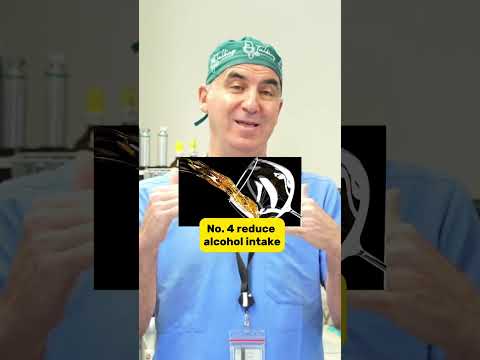
Also, limit alcohol consumption. Drinking in moderation is key—think one drink per day for women and two for men. Just like with anything, less is often more when it comes to alcohol.
Additionally, make sure you’re getting enough sleep. Lack of rest can raise blood pressure over time. Aim for 7-9 hours each night; good sleep is like charging your phone—a must for good functioning!
Staying hydrated by drinking plenty of water is also crucial. Proper hydration helps your heart pump more easily and keeps blood volume stable.
Finally, keep up with regular checkups. Monitoring your blood pressure at home can help you stay informed about your health status over time.
In summary:
Implementing these strategies may take some time but remember that small changes can lead to big results! Always consult with a healthcare professional before making significant lifestyle changes.
Managing hypertension, or high blood pressure, is crucial for long-term health. It’s often called a silent killer because it usually shows no symptoms until it’s too late. Understanding this condition can empower individuals to take charge of their health.
Regular monitoring is key. By checking your blood pressure at home or at a healthcare provider’s office, you stay informed about your levels. This helps you recognize if your lifestyle changes are effective.
Healthy lifestyle choices make a significant difference. Eating a balanced diet rich in fruits, vegetables, and whole grains can help reduce blood pressure. Reducing salt intake is also vital; think of it as lowering the volume on a loudspeaker—your body responds better to less salt.
Physical activity plays an important role too. Engaging in regular exercise strengthens the heart and improves circulation, both of which help lower blood pressure. Aim for at least 30 minutes of moderate activity most days of the week.
Stress management shouldn’t be overlooked either. Chronic stress can contribute to high blood pressure. Techniques like mindfulness, yoga, or even simple breathing exercises can greatly aid in stress reduction.
It’s also essential to have open communication with healthcare providers. Discuss any concerns or side effects from medications openly to find solutions together.
Ultimately, managing hypertension is about creating sustainable habits that enhance quality of life today while paving the way for a healthier tomorrow. Each small step counts toward making lasting changes for heart health and overall well-being.