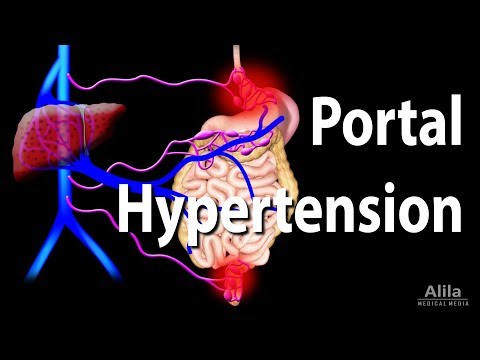
Portal hypertension is a complex yet fascinating topic that bridges the worlds of circulatory health and liver function. At its core, this condition occurs when blood flow through the portal vein—a major vessel that carries blood from the intestines and spleen to the liver—gets obstructed. This can lead to increased pressure in the vein and surrounding areas, opening up a whole host of complications.
Imagine a busy highway suddenly choked with traffic. As cars back up, the pressure builds, leading to roadblocks (or complications) that can impact every driver (or organ) on that route. Understanding how this process happens helps us appreciate not just portal hypertension itself, but also its underlying causes like liver disease or blood clots.
While curiosity about your health is essential, approaching it responsibly is equally crucial. The information available online or through informal sources may often be misleading. Always consult diverse specialists and trusted medical literature before drawing conclusions about complex conditions like portal hypertension. Your health deserves accurate insights that are well-rounded and carefully considered. Stay informed and empowered!
The information provided in this article is intended solely for general informational and educational purposes. It does not constitute medical advice, diagnosis or professional treatment, and should not be considered a substitute for consultation with a qualified doctor or other licensed healthcare professional. Any health-related decisions should be made in consultation with accredited medical professionals.
While efforts have been made to ensure the information is accurate and up to date, no guarantees are given—either express or implied—regarding its accuracy, completeness, currency or suitability. Use of this information is at your own discretion.
It is strongly recommended to consult official sources such as the NHS (National Health Service) or other recognised medical institutions before acting on any information contained on this website or article. Under no circumstances should professional medical advice be ignored or delayed due to content read here.
This content is of a general and informational nature only. It is not intended to replace individualised guidance from a healthcare professional or to establish any doctor-patient relationship. The publication of this information does not imply any professional responsibility, guarantee or obligation on the part of the author or this site.
Uncover the Key Indicators of Increased Pressure in the Portal Vein
Portal hypertension happens when the blood pressure in the portal vein becomes abnormally high. This vein carries blood from the digestive organs to the liver.
When something blocks this flow, it can cause a buildup of pressure. Understanding the signs of increased pressure in the portal vein is important for early detection and management.
Key indicators include:
Why should we care about these signs? Recognizing them early can help manage complications related to liver health.
Consider this comparison: Think about a garden hose. If you squeeze it, water builds up behind that point of pressure. Similarly, anything obstructing blood flow creates pressure that can lead to serious issues.
Some myths surround portal hypertension too. For instance, many people believe it only occurs due to liver disease. While liver issues are a common cause, other factors like blood clots or certain cancers can contribute as well.
Monitoring for these indicators and discussing concerns with a medical professional is crucial if you notice any symptoms. Early intervention is key to managing potential complications effectively.
Staying informed helps make responsible health choices. So pay attention to your body and seek guidance when needed!
Navigating the Top Risks and Challenges of Portal Hypertension
Portal hypertension is a condition that arises when there’s increased blood pressure in the portal venous system. This system carries blood from the digestive organs to the liver. When it faces obstacles, like liver disease, it can struggle, leading to serious complications.
Understanding its risks is crucial for those affected or at risk. Here are some key challenges:
Additionally, there are psychological impacts to consider. Living with chronic illness might lead to anxiety or depression for some individuals.
Another significant challenge is managing underlying conditions. Portal hypertension usually does not occur in isolation; managing liver health through diet, exercise, and avoiding harmful substances is essential.
Awareness also helps debunk myths surrounding this condition. Many believe portal hypertension only occurs in severe cases of liver disease. However, even milder conditions can contribute to elevated pressures.
Making informed lifestyle choices plays a vital role in managing the situation effectively. Regular check-ups with healthcare providers offer opportunities for monitoring and adjusting treatment plans as necessary.
Finally, staying educated about portal hypertension gives individuals more control over their health journey. Ask questions and seek reliable information whenever uncertainties arise.
Remember that while knowledge empowers us, discussing any concerns with a qualified professional ensures you receive personalized guidance tailored specifically for you.
Unraveling the Key Components of Portal Hypertension
Portal hypertension is a condition that affects blood flow in the liver and can lead to serious complications. It occurs when there is increased blood pressure in the portal vein, which carries blood from the intestines and spleen to the liver.
Understanding portal hypertension starts with recognizing its causes. Common reasons include:
When pressure builds up in the portal vein, it can lead to various issues. One common complication is varices, which are swollen veins that develop in the esophagus or stomach. If these veins burst, it can cause severe bleeding.
Another effect of portal hypertension is ascites, which means fluid accumulation in the abdomen. This happens because fluid leaks out of blood vessels due to increased pressure.
People with portal hypertension might also experience spleen enlargement. The spleen filters blood and helps fight infections. If it’s enlarged, it may indicate pooling of blood due to high pressure.
Diagnosing this condition involves several tests. Doctors might recommend a physical examination, imaging tests like ultrasounds, or even endoscopies to look for varices.
Managing portal hypertension focuses on treating underlying causes and relieving symptoms. Common approaches include lifestyle changes like diet modifications, medications, or procedures to reduce pressure.
It’s crucial for individuals experiencing symptoms such as abdominal swelling or gastrointestinal bleeding to seek medical attention promptly. Early intervention can greatly improve outcomes.
Myths about portal hypertension abound as well. For example:
Staying informed about conditions like portal hypertension empowers individuals to make better health choices. Always consult healthcare professionals for personalized advice and management strategies related to this complex condition.
Understanding portal hypertension can feel overwhelming, but breaking it down into key insights makes it more manageable. Portal hypertension occurs when there is increased blood pressure in the portal vein, which carries blood from the digestive organs to the liver. This condition can arise due to liver diseases, such as cirrhosis or hepatitis.
Key fact: The liver is like a major processing center; when damaged, it struggles to manage blood flow, leading to pressure build-up. This cascade of effects can lead to serious complications like varices—swollen veins that may bleed—and ascites, which is fluid accumulation in the abdomen.
Important insights:
Knowledge about portal hypertension empowers individuals to make informed health decisions. Recognizing symptoms and understanding risks can lead to timely interventions and better outcomes. Always engage in open discussions with healthcare providers about concerns related to liver health; this partnership fosters proactive management of your well-being.